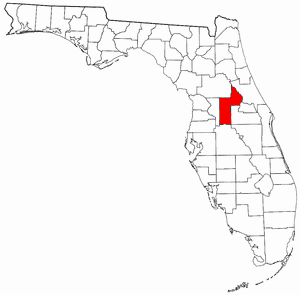
Colorado Officials Confirm Jefferson County Horse With WNV
The case marks the state’s first case for 2020.

The case marks the state’s first case for 2020.

The Livingston County horse had been vaccinated in March of this year.
This marks the state’s 14th positive equine WNV case for 2020.


The state has now logged 20 equine cases, including Lincoln and Sheboygan counties’ first.

The horse, whose vaccination history is unknown, was euthanized.

The affected horses include a 20-year-old Arabian mare in Oakland County and an 11-year-old pony mare in Tuscola County.

The state’s current death rate for horses with WNV is 23%.

Strep zoo are responsible for a variety of diseases and issues in horses, including pneumonia, abortions, and upper respiratory, wound, testicular, and neonatal infections.

Scientists reviewed research on this painful disease that affects a horse’s teeth, gums, and bone.

If your horse survives one of these five infections, he might still suffer lasting effects. Learn which diseases most commonly cause post-infection illnesses and how they can impact a horse’s long-term health, use, and quality of life.

Here’s a list of questions all horse owners should answer before their horses colic.

British researchers reviewed more than 150 equine microbiome studies. From colic to laminitis to pregnancy, here’s what they found.