Michigan Confirms First EEE Case of 2020
The state veterinarian cautions horse owners and citizens to take precautions against potential infection.

The state veterinarian cautions horse owners and citizens to take precautions against potential infection.

If you have ever dealt with an equine eye problem, you know the importance of early recognition and appropriate treatment. Here are some common conditions and how your veterinarian might manage them.

Acute respiratory distress syndrome (ARDS) causes rapidly progressive and severe respiratory failure and is associated with high mortality in affected patients.


Five horses in five counties are affected with the mosquito-borne neurologic disease.

The case marks the state’s second equine case of West Nile virus in 2020. The Stanislaus County horse was unvaccinated.

The filly was euthanized due to the mosquito-borne zoonotic disease.

One is prescribed by your veterinarian, the other is available over the counter. Find out more in our Q&A.

The filly had attended an Imperial County event on July 18-19. Officials have now placed that facility under quarantine.


All three were euthanized due to poor quality of life as a result of the neurologic disease.

The 2019 outbreak of VSV was the largest in recent history with 1,144 premises affected in eight states: Colorado, Kansas, Nebraska, New Mexico, Oklahoma, Texas, Utah, and Wyoming.
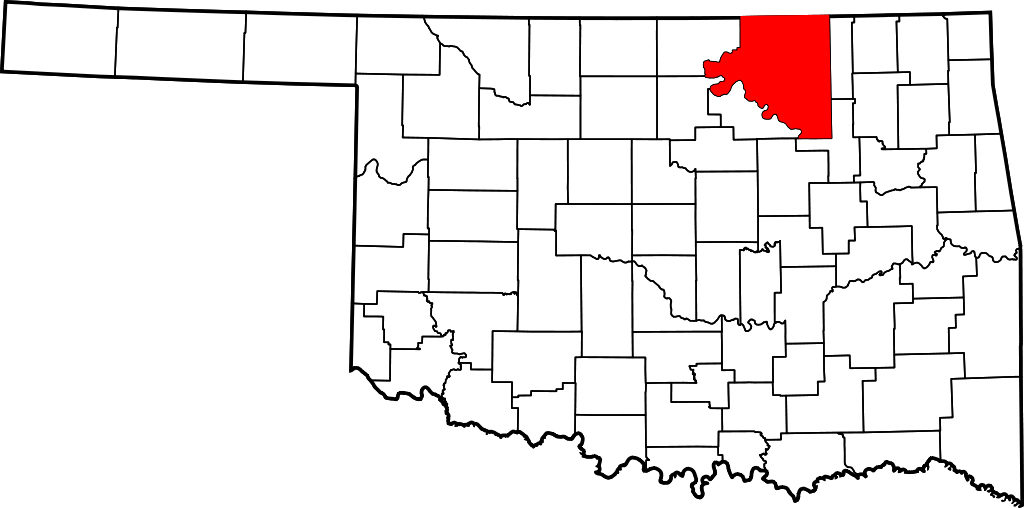
Nine of the state’s counties now contain confirmed positive premises. Cherokee, Osage, and Ottawa counties have new and suspect cases.

USDA/APHIS has announced four new confirmed positive and one new suspect premises.
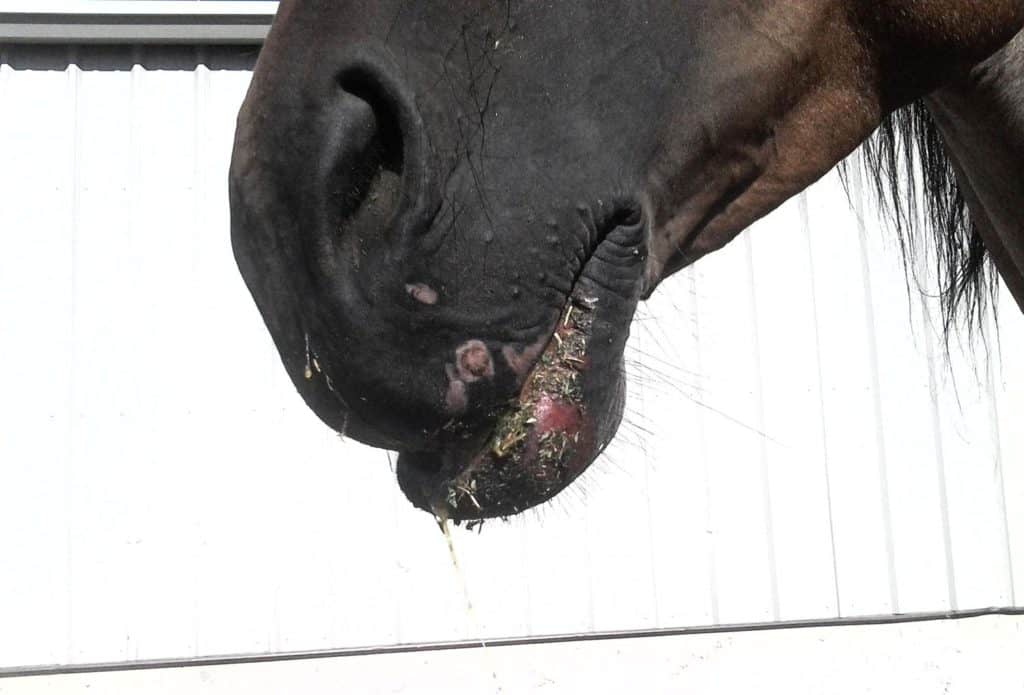
Twenty-two Kansas counties currently contain premises under vesicular stomatitis quarantine. The newly affected counties include Crawford and Franklin.
Officials have confirmed one new positive equine premises.