EEE Confirmed in Three Michigan Counties
A second Clare County horse suspected to have the disease also died.

A second Clare County horse suspected to have the disease also died.

Seven additional Whitman County horses are suspected as positive.

All five horses resided in different counties. Three of the five were unvaccinated, and two had unknown vaccination histories.

Gastric disease develops most commonly in the squamous region, when stomach acid splashes onto that vulnerable area of tissue. Why it develops in the glandular region—and how to prevent and treat it—is less clear. Five researchers discuss what we do know about equine glandular gastric disease.

Both affected horses were humanely euthanized.

The vaccinated Warmblood mare is recovering from the disease.

The unvaccinated Chippewa County mare was humanely euthanized.

New cases in Lee County bring the state’s WNV total in 2020 to five.

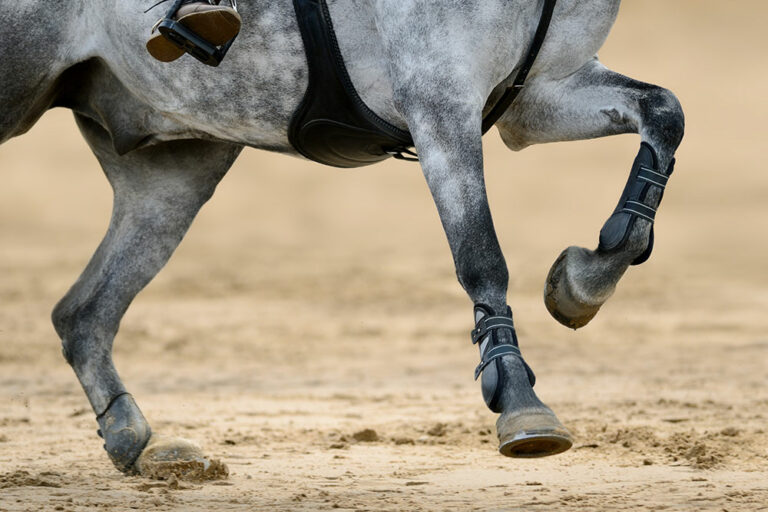
Reduced performance, including a shorter stride length, is likely a consequence of pain caused by equine gastric ulcers.

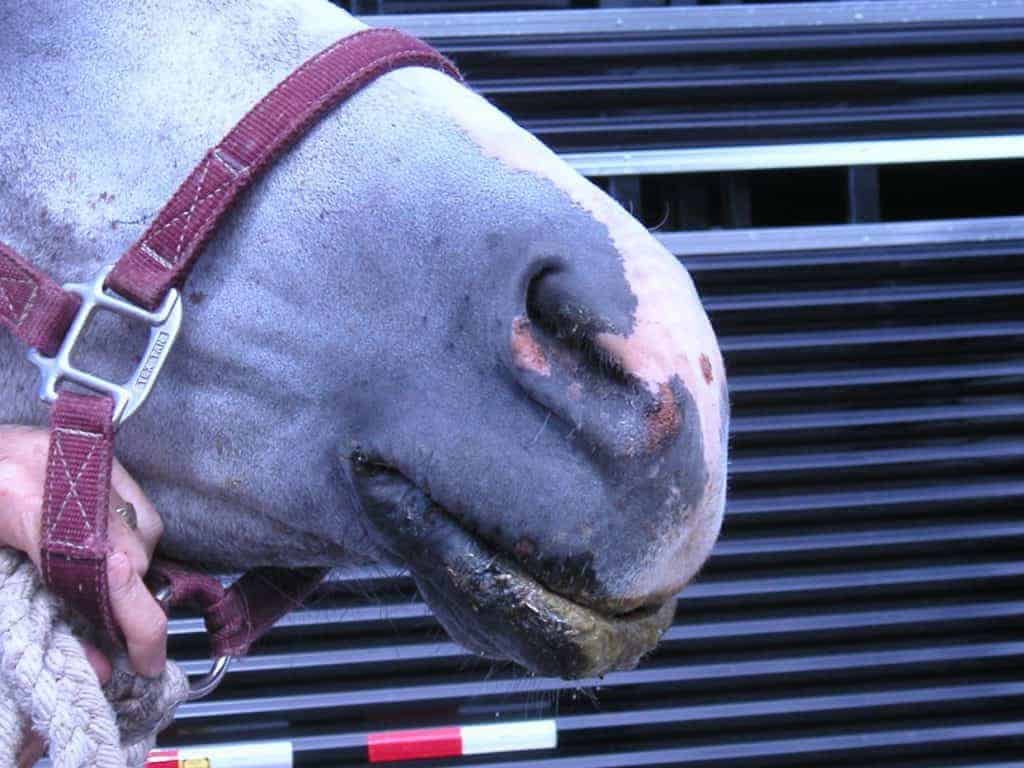
Cherokee, Craig, and Rogers counties add new positive and suspect premises with vesicular stomatitis.
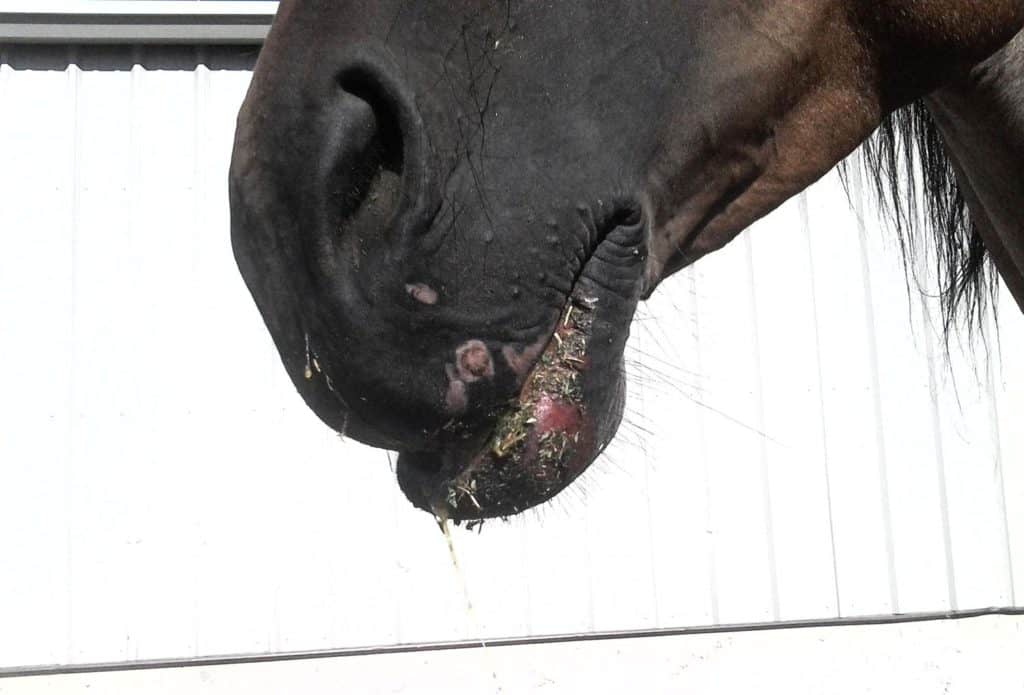
Camden and Douglas are newest-hit counties with vesicular stomatitis virus.

Vesicular stomatitis has spread to Harvey and Johnson counties.

The undervaccinated 13-year-old mare was euthanized.
Horses in Dunn, Pepin, and Chippewa counties are affected.