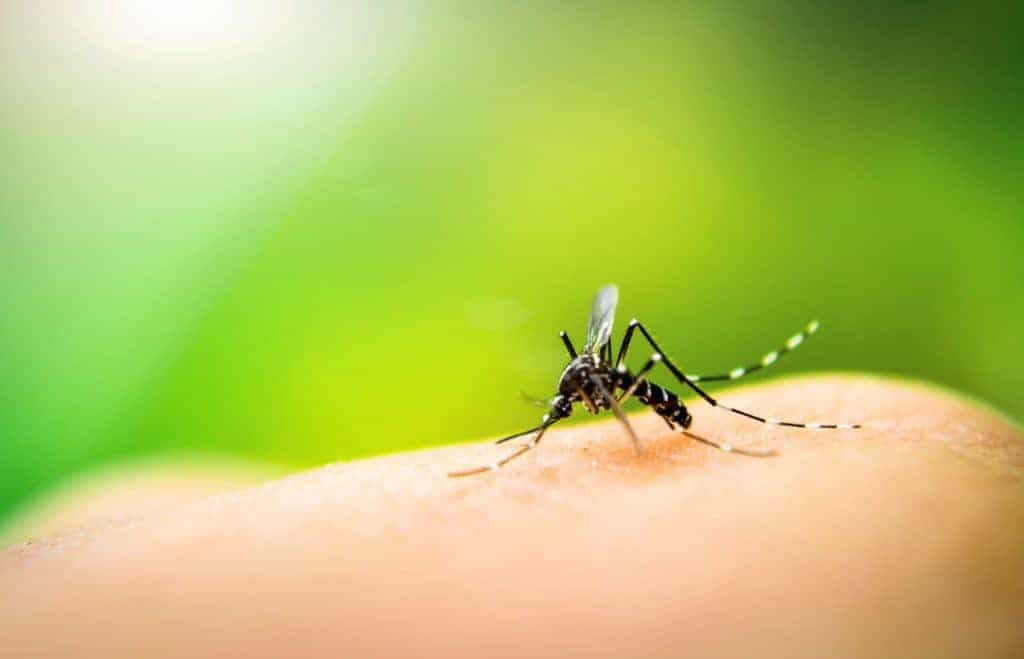
California Horse Diagnosed With West Nile Virus
The affected horse resides in Merced County.

The affected horse resides in Merced County.
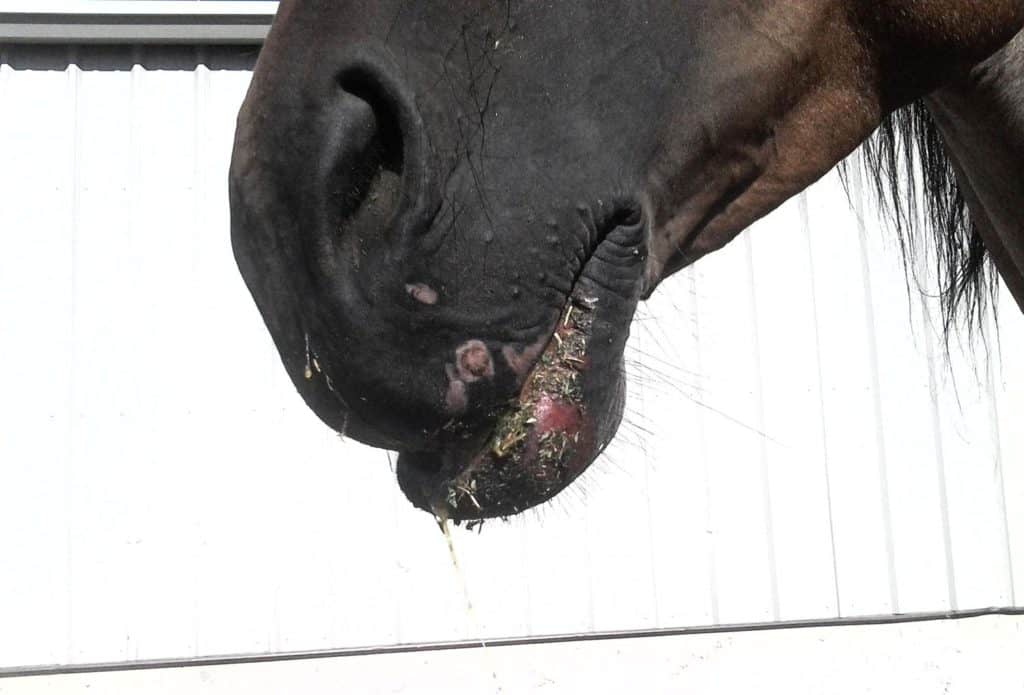
To protect horses and other livestock in Ohio, the state is not allowing the import of horses from counties with confirmed and suspected cases of the highly contagious vesicular stomatitis virus.

Here’s the most recent vesicular stomatitis virus update from the USDA.

A new study looks at age as a predisposing factor for post-operative nasogastric reflux and mortality.

More than four hours without feed is fasting for a horse and can lead to issues. The solution for evening feeding? Slow feeders extended nighttime “grazing” time by 95-105%, researchers observed.

Here’s how to react if your horse consumes feed designed for another animal.

The diagnosis marks the state’s third confirmed EEE case for 2019.

The 25-year-old Swift County mare had no documented history of WNV vaccination.

All horses were unvaccinated, and all were euthanized.

The horse, which had been rescued six weeks prior to presentation, had an unknown vaccination history.

The diagnosis of an unvaccinated yearling colt is the state’s first EEE case since 2013.
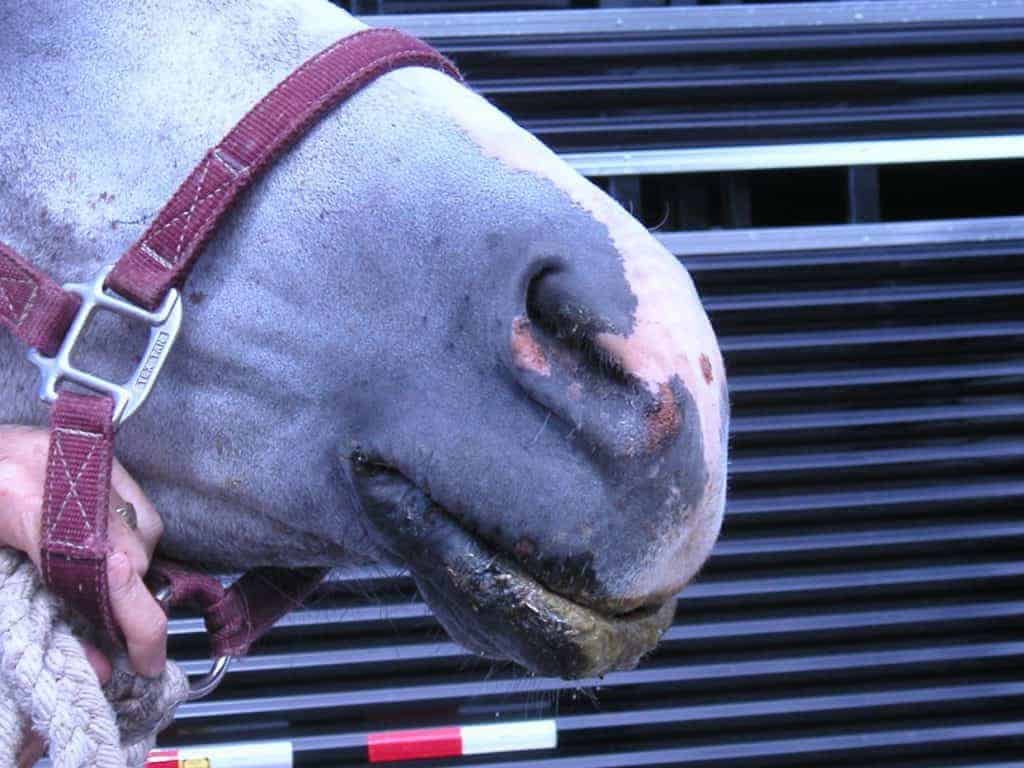
Here’s your update on VSV-positive states and counties.

New equine West Nile virus cases have been diagnosed in Kern and Stanislaus counties.

Veterinarians euthanized the 6-month-old colt due to poor prognosis. Additionally, the state has reported its first human case since 2010.

Three horses in separate counties confirmed positive for West Nile virus.

Officials have reported Madera County’s first and the state’s fifth confirmed equine WNV case for 2019.