International Equine Disease Report, Third Quarter 2018
Officials reported diseases including African horse sickness, equine influenze, strangles, EHV-1, EIA, and more.

Officials reported diseases including African horse sickness, equine influenze, strangles, EHV-1, EIA, and more.

Researchers believe nasopharyngeal cicatrix is the result of an environmental agent, possibly found in pasture, but they still don’t know for sure what causes it, how to best manage it, or why it generally affects horses in a specific part of Texas. Here’s what you should know.

Learn about colic, EPM, core vaccinations, biosecurity, donkeys, and more in our special features.
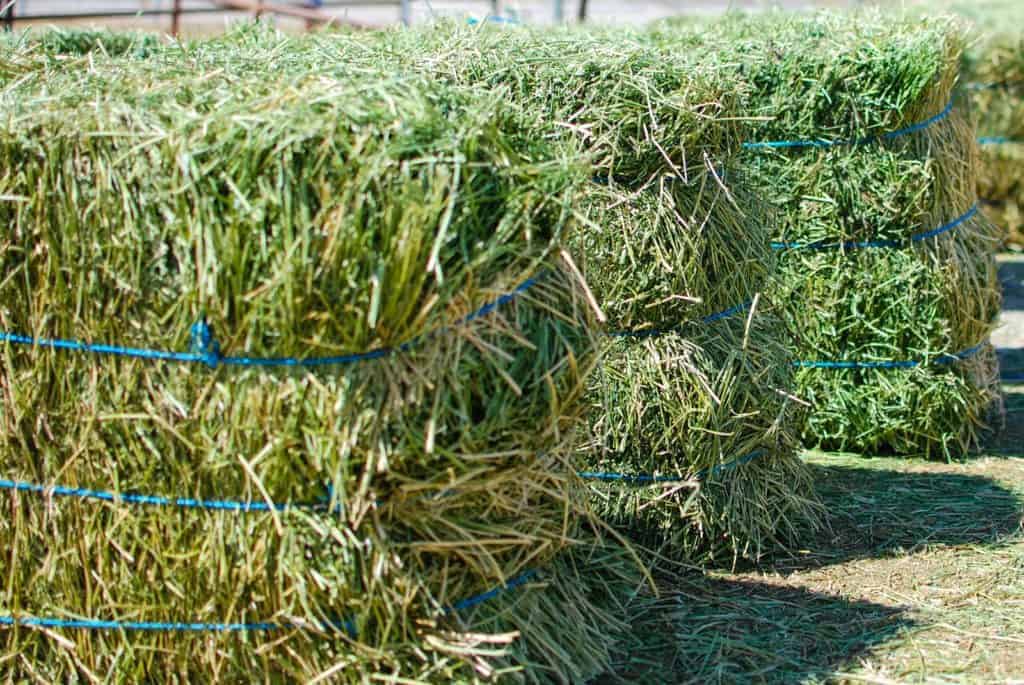
Articles on laminitis, alfalfa, horse/human interaction, and hoof problems were among the most-read in 2018.

Researchers have suggested a link between DDSP and lower airway inflammation in racehorses, but the concept hadn’t been explored in sport horses. So, scientists in Belgium reviewed medical to identify instances and outcomes of DDSP treated medically.

Strangles is highly contagious and can spread rapidly through horse populations and barns, so quick containment is essential. One veterinarian offers his tips on how to stop strangles from spreading.

Not every owner has access to pasture for their horses. Download this free report to learn more about drylots and special considerations for housing horses in pastureless regions.

A user in a wildfire-affected area asks if supplements can help support her horse’s respiratory system.

Are breathing issues slowing your horse down? Here are some surgical and management options that might help.

Look for equine respiratory health content during Respiratory Care Awareness Week, which takes place October 22-26, 2018.

Skin problems were the most common general disease reported (33% of all syndromes recorded) and nonhoof-related lower limb lameness was the most common individual issue reported (18.5% of all syndromes recorded).

Confirmed diseases include equine influenza, equine herpesvirus, piroplasmosis, salmonellosis, rabies, and more.

RESPE—the French epidemiological network for equine diseases—works main missions is to monitor equine diseases in France and throughout Europe and to alert the horse industry when a contagious equine disease outbreak is confirmed.
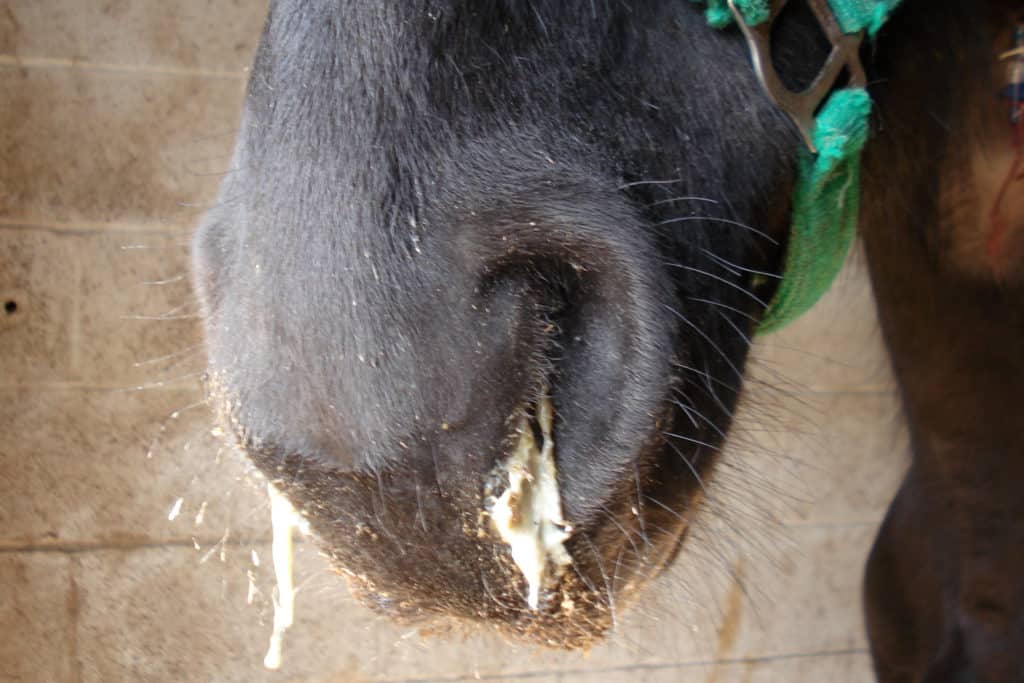
Dr. Joe Lyman of Neogen describes the disease known as strangles and how it’s spread.

Routine horse vaccinations are one of the easiest and most efficient ways to protect equids’ health against potentially fatal infectious diseases.

Critical conditions such as colic, injuries, and dehydration can strike when you’re at a competition with your horse. Here’s how to handle them.