Using Computer Simulation to Prevent Equine Disease
Researchers used computer simulation models to assess the risk of disease spread from horse events and the effectiveness of various control protocols in the face of the outbreak at a home stable.

Researchers used computer simulation models to assess the risk of disease spread from horse events and the effectiveness of various control protocols in the face of the outbreak at a home stable.
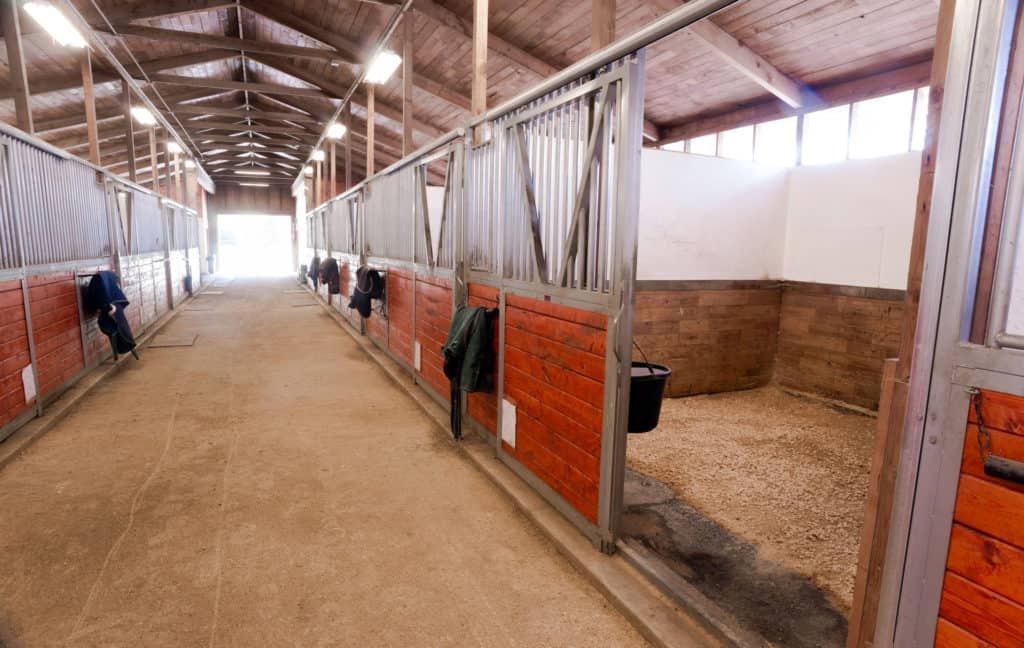
However, researchers did observe an 86% reduction in inhalable dust concentrations when horses were fed haylage instead of hay and stalls were bedded with wood shavings instead of straw.

Dr. Kathleen MacMillan will discuss strangles’ clinical signs, diagnosis, and treatment, as well as ways to reduce the risk of infection on July 11.

Research on equine airway issues is important as almost all horses suffer from respiratory tract disorders, some performance-limiting, at some point in their lives, veterinarians say.

Many owners associate this disease with young or old horses, but horses of any age can get pneumonia.
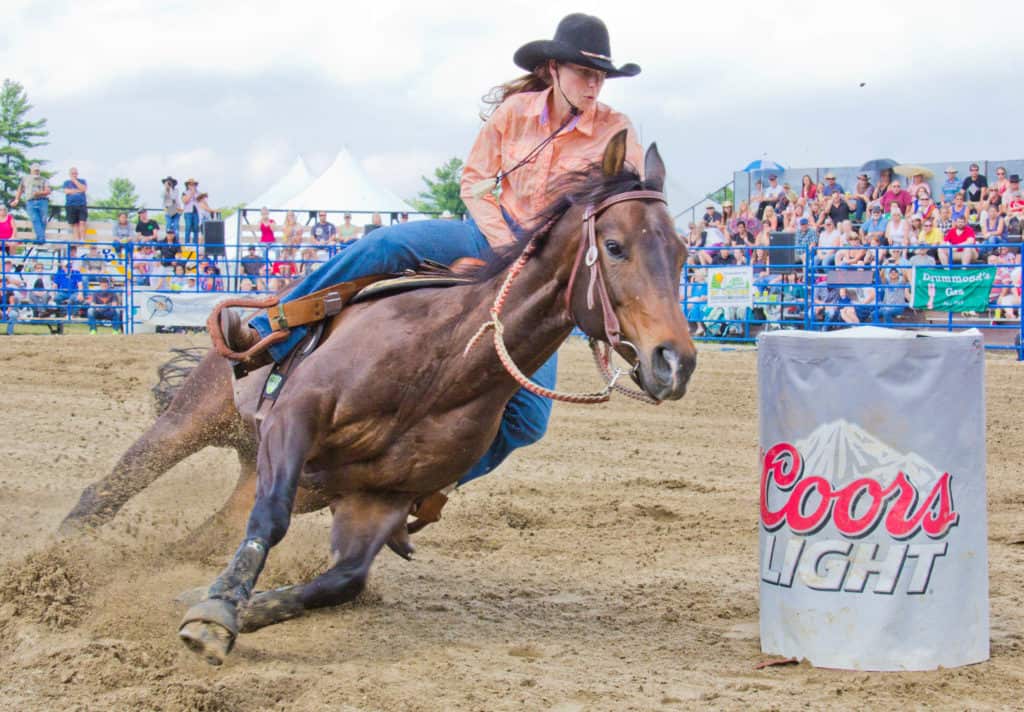
At this time there’s no evidence that EIPH affects barrel racing horses’ performance, but more research on the topic is needed, scientists say.

In a recent study Japanese researchers found that the right mix of equine influenza vaccines provided immunity against the virus; the wrong mix, however, did not.

It’s the question that always ignites a fierce debate in the racing world: Should people be able to race Thoroughbreds under the influence of therapeutic medication?

Prior to EHM confirmation, the affected horse visited a training facility in Liberty Hill and attended barrel races at the Killeen Rodeo Outdoor Arena and the Williamson County Expo Center,

Switzerland’s internet-based voluntary system is a way for veterinarians to report equine infections, such as influenza and herpesvirus, even if they aren’t required to by law.

By paying close attention to when and where it occurs and any additional clinical signs, you can help your veterinarian find the cause of and cure for your horse’s cough.

Recently Oklahoma has averaged approximately 40 cases of mosquito-borne diseases in horses per year.

Scientists have developed a new live-attenuated intranasal vaccine to protect horses against equine influenza.

Researchers are asking horse owners, managers, and riders to complete a survey about air quality, conditions, arena footing, and associated health outcomes in horses and humans.
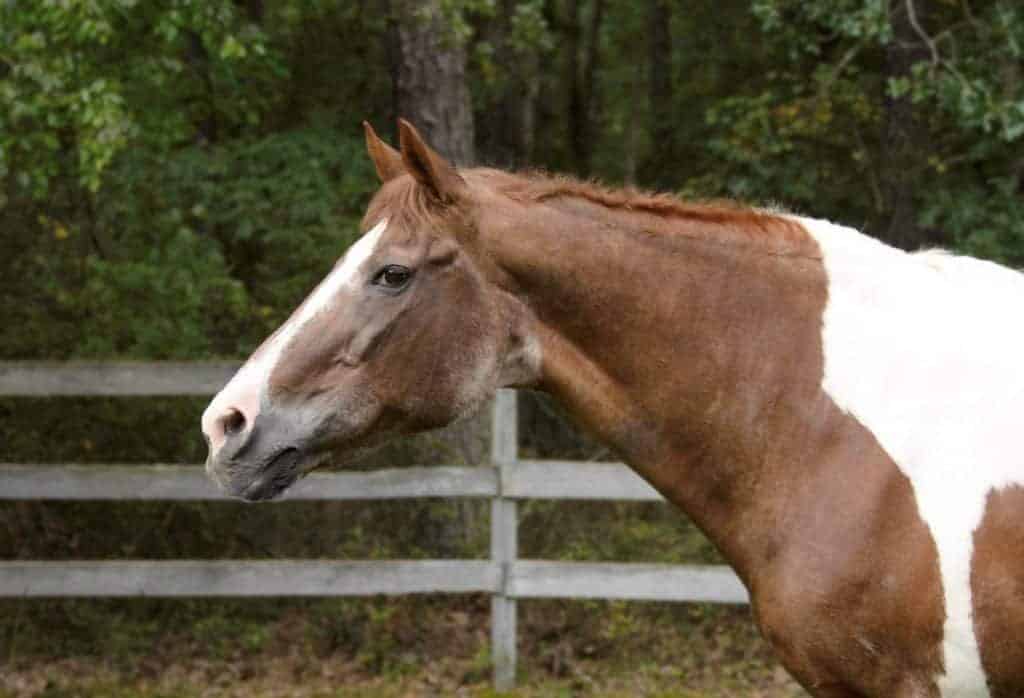
While every horse needs quality air to breathe, senior horses are particularly at risk for respiratory diseases.

Horses consuming crude protein at 12% of total dry matter intake excreted more nitrogen, which led to greater ammonia emissions.