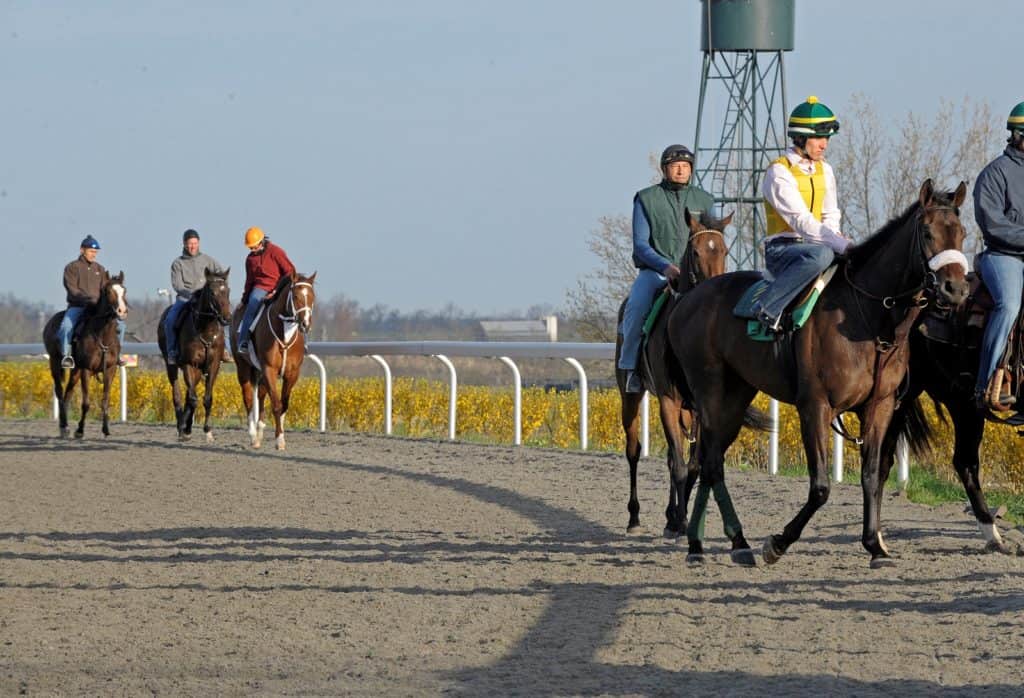
Surface Testing: Keeping Horse and Rider Safety in Mind
In this first part in a series on testing and maintaining equine competition surface, we focus on racetracks.

In this first part in a series on testing and maintaining equine competition surface, we focus on racetracks.

Fatal injuries in North American flat racing horses has decreased by 23%, but there’s still work to be done.

Footing is one of the most common factors cited when a horse performs poorly or suffers an injury.
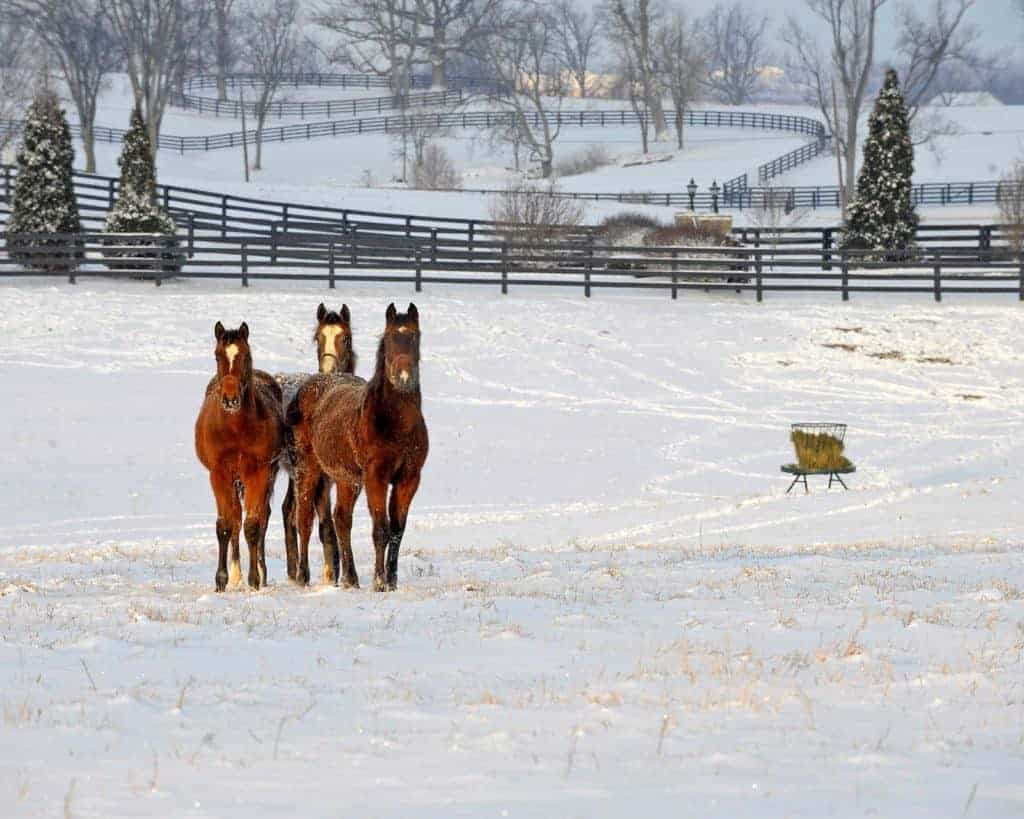
The tax package includes changes to depreciation and expensing of yearlings, breeding stock, farm equipment, and more.

Here’s what you need to know before acquiring a free (or nearly free) horse.

Scientists sought an answer but found there’s no perfect bedding for all situations. Each has benefits and drawbacks.
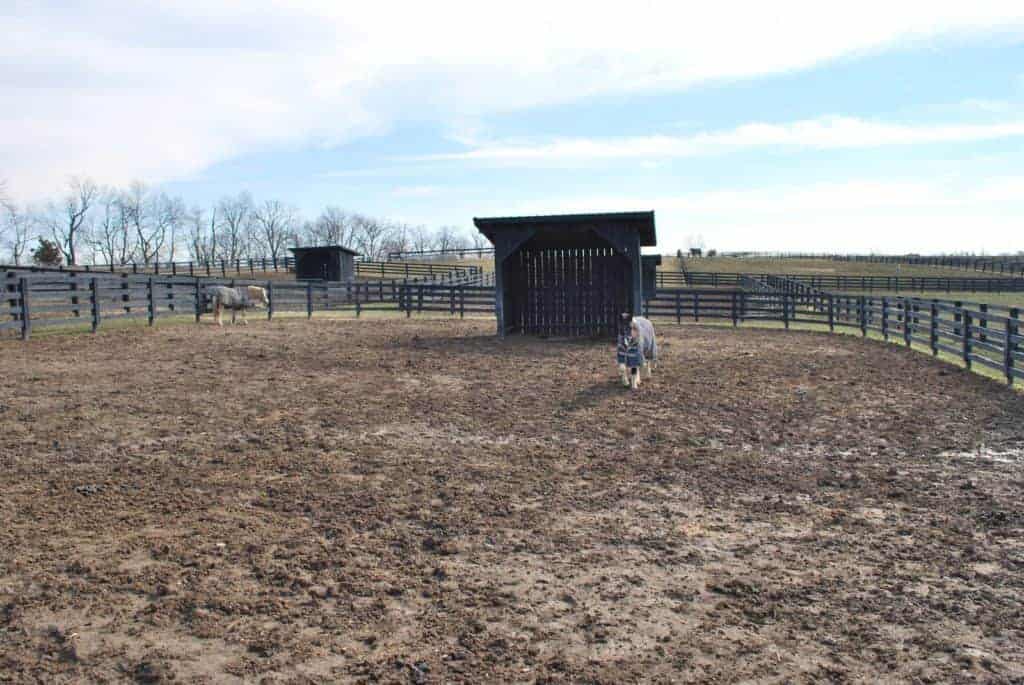
Find out how drylots, small paddocks sacrificed to allow pastures to rest, could help your facility this winter.
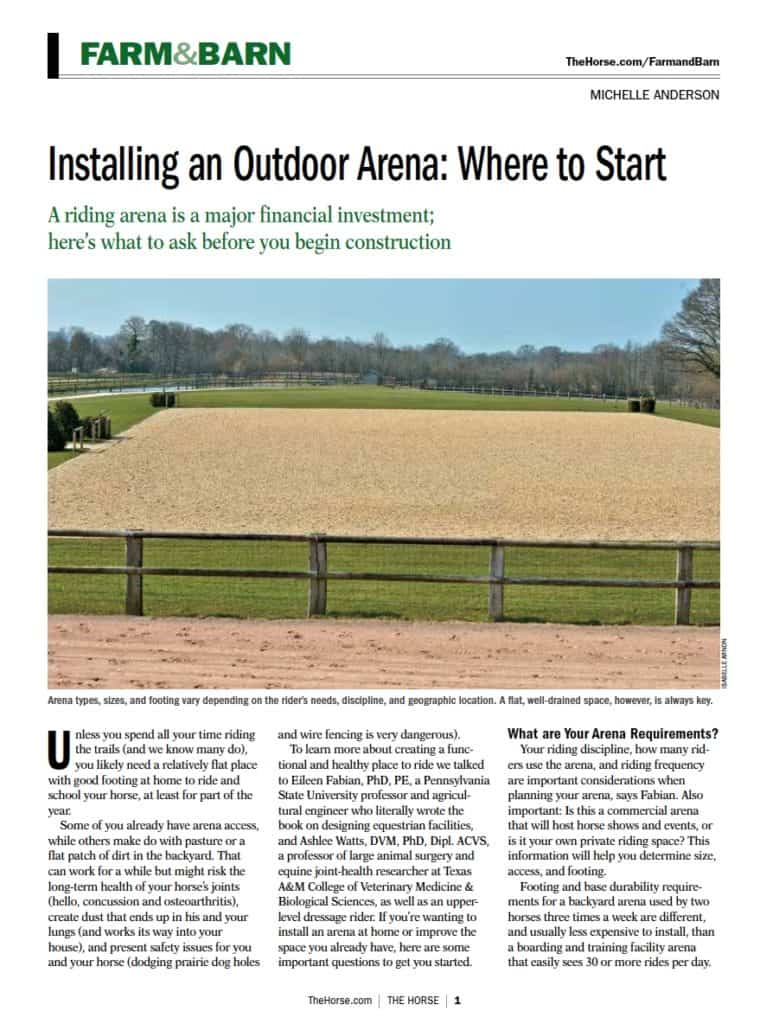
A riding arena is a major financial investment. Here’s what to ask before you begin construction.

While rabies is fatal, the disease is also preventable. A veterinarian shares five tips to protect you and your horse.

Of the 351 respondents, 174 (50%) said they live in an area where rattlesnakes and other venomous snakes are a concern.

One veterinarian describes how she handles these dangerous bites in horses.

A fall nitrogen application is a simple and relatively inexpensive step that can positively impact your pastures.

Learn the difference between an employee and independent contractor and what that could mean for your equine operation.
Sagacious HF is in extended quarantine in Miami pending the results of additional testing slated for Aug. 23.

The NYSGC is working to determine what might have contributed to a dozen recent racing- and training-related deaths.
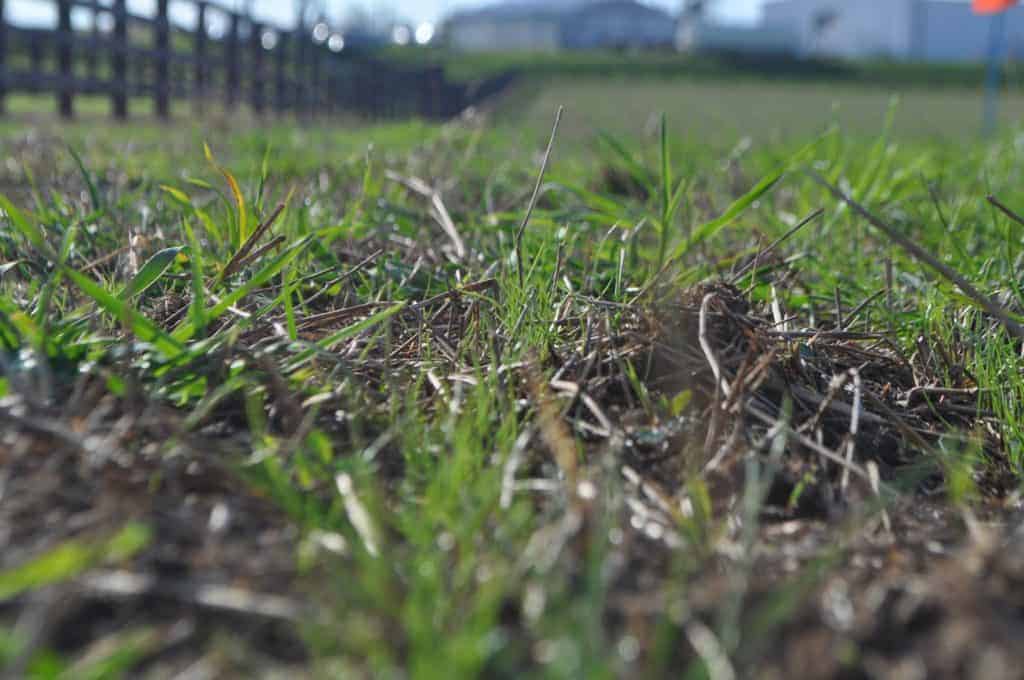
While substantial improvements are long-term endeavors, some quick fixes can improve pastures in six weeks or less.