EHV-1 Outbreak: Number of Confirmed Cases Rising
More suspected EHV-1 cases are being confirmed in the western United States and Canada.

More suspected EHV-1 cases are being confirmed in the western United States and Canada.
Biosecurity is a big word that many livestock owners don’t fully understand. Let’s break it down: Bio means
The number of confirmed neurologic EHV-1 cases has reached the double digits.
Veterinarians are working to determine the extent of a multi-state outbreak of neurologic equine herpesvirus.
Veterinarians in several states are determining the extent of a possible equine herpesvirus-1 (EHV-1) outbreak
Two cases of contagious equine metritis (CEM) have been confirmed in the South African province of Gauteng,
New Jersey Secretary of Agriculture Douglas H. Fisher announced May 6 that the state Department of Agriculture (DOA) has lifted quarantines at Overbrook and Tourelay Farms in Colts Neck, which have restricted horse movement in and out of the two
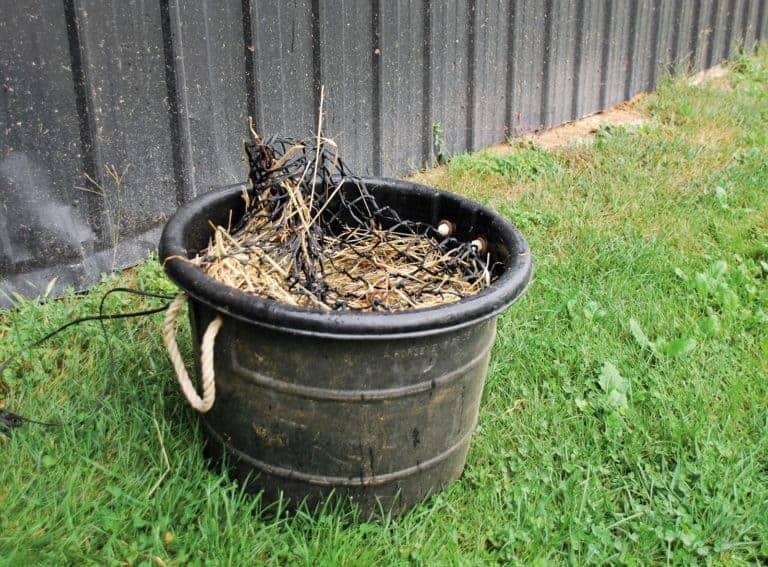
Today, many horse owners are trying to find less potentially harmful ways to control vermin than pesticides.

Can we as horse owners make a few changes to our horse keeping habits to help lessen our draw on the ecosystem? We can make everyday changes such as recycling and conserving water, but what else can we do to reduce our impact on the environment?

As some of the world’s top three-day event riders prepare to head out on cross-country at the 2011 Rolex Kentucky Three-Day Event this weekend, they’ll be looking closely at the footing on which their horses will perform.
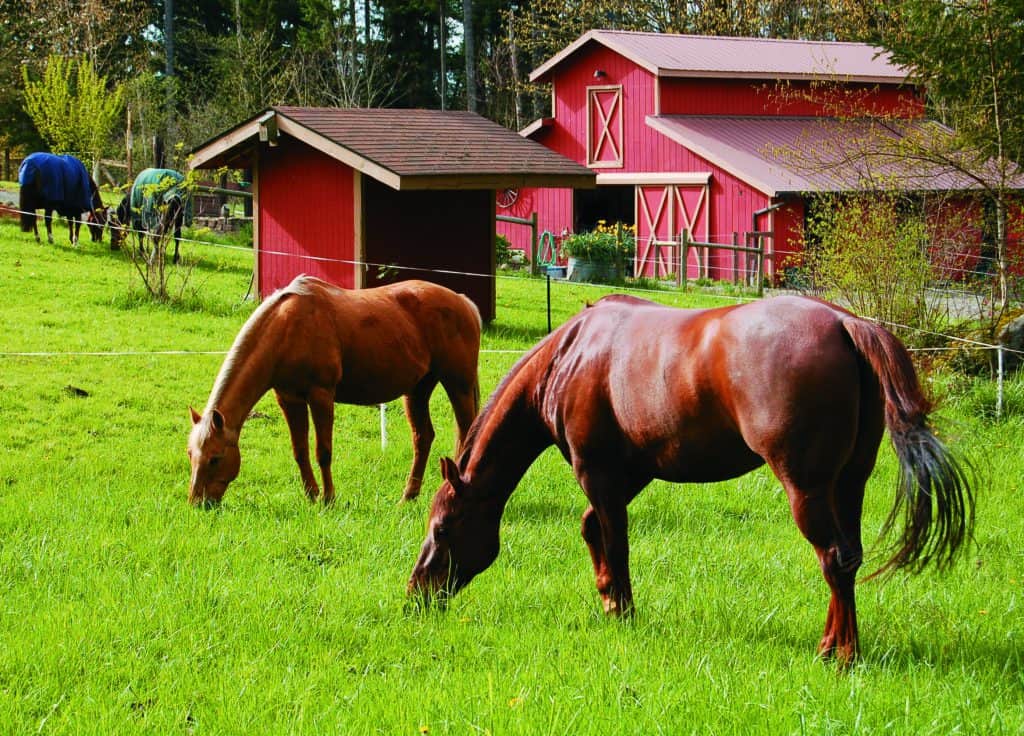
What environmentally friendly management practices might work for you and your farm?
While it may seem a little early to be thinking about dust, mud in the winter becomes dust in the summer. If you had muddy
The New Jersey Department of Agriculture (NJDA) has quarantined a second Colts Neck horse farm as part of its investigation into an outbreak of the neurologic form of equine herpesvirus (EHV-1), that has led to the death of one horse and sickened

Once soils are no longer saturated and while we still have some spring rains ahead of us, do your horses and your pasture a favor by spreading compost. The nutrients, organic material and beneficial bacteria and fungi in the compost will help your grass plants become more productive.
Cornell University’s Equine Hospital returned to normal operating status April 12 when the quarantine put in place after two horses tested positive for the neurologic form of equine herpesvirus (EHV-1) was lifted. Additional biosecurity protocol is
Ticks are not only unsightly, they also can transmit infectious diseases such as ehrlichiosis, Lyme disease, and piroplasmosis to horses. Severe infestations can cause skin irritations and even anemia (a decrease of healthy red blood cells).