Use Caution When Bedding Horses on Fescue
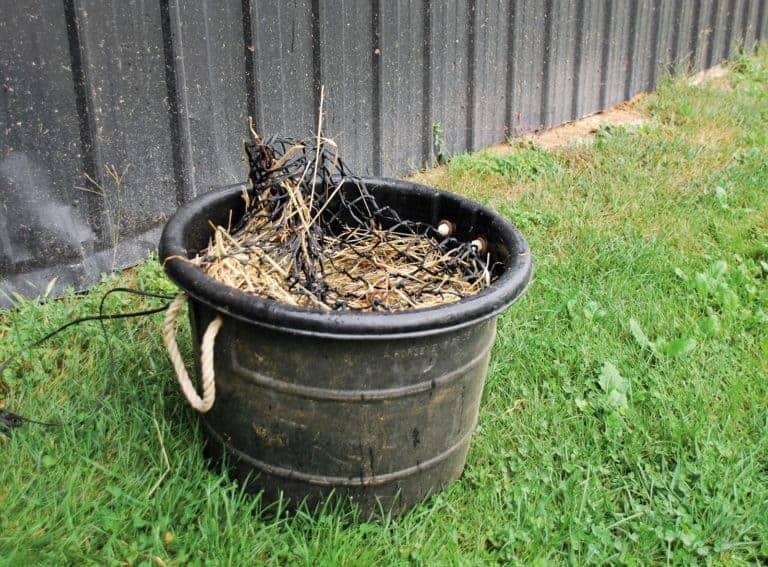
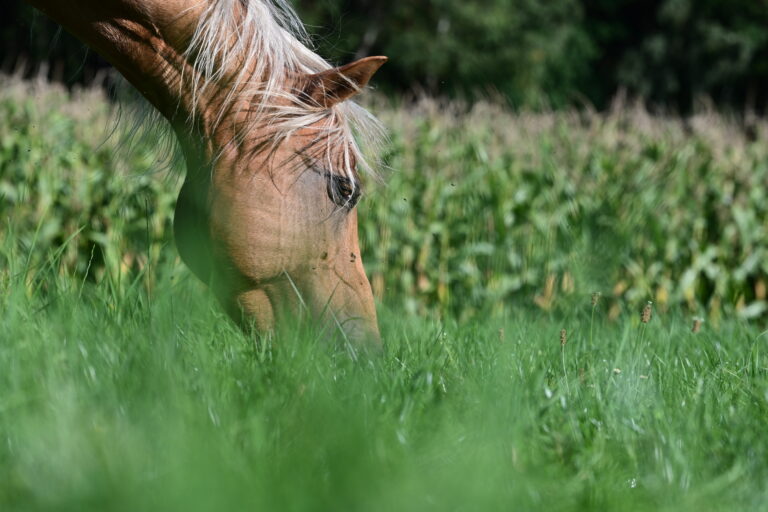
Tight budgets have caused several Central Kentucky horse farm managers to reduce straw bedding costs by harvesting overmature grass pastures and using the resulting stemmy hay as bedding.

Tight budgets have caused several Central Kentucky horse farm managers to reduce straw bedding costs by harvesting overmature grass pastures and using the resulting stemmy hay as bedding.

Efficiently managing manure is an important aspect of caring for horses. Composting is an economical and efficient method for managing manure for virtually any equine operation, regardless of size.
When it comes to issues affecting California racing, nothing supersedes track surfaces. While panelists at the Thoroughbred Owners of California (TOC) summit meeting Feb. 13 at Santa Anita first spoke about the failing economic model of the sta

People in increasing numbers are seeking limited acreage where they can enjoy the rural way of life, including horses. For some the small farm must at least be operated efficiently in order to be affordable.
What bedding material do you prefer —is there an alternative to straw or wood available in your area that’s cost-effective?
The USDA’s Animal and Plant Health Inspection Service (APHIS) is amending the regulations pertaining to the importation of horses to establish standards for the approval of permanent, privately owned quarantine facilities for horses. APHIS is
Most farmers can identify with myriad problems associated with mud forming around high-traffic areas, including areas around horse and cattle waterers, feed bunks, round bale feeders, walk paths, and gate entrances. Mud is usually a result of
A new large animal isolation unit that sets the standard for patient housing and infection control opened May 25 at the University of Guelph’s Ontario Veterinary College (OVC).
Animals showing signs of infectious disease will
State-of-the-art track maintenance equipment in use for less than two weeks on Arlington’s Polytrack course has already led to positive feedback from local horsemen.
“I haven’t heard any criticism at all,” said Tony Petrillo, Arlington’s
A California equestrian was attacked by a swarm of aggressive Africanized honeybees–also known as “killer bees”–while riding on a public trail in Rolling Hills, Calif., last week.,
We’re all familiar with the medical/veterinary axiom: First do no harm. A recent Colorado State University (CSU) study extended this principle to biosecurity for ambulatory veterinarians: First, don’t bring any diseases into a patient’s
More than 1,250 readers of TheHorse.com responded to a poll asking, “What kind of footing does your riding are
After a flood, stalls and paddocks need to be cleaned and disinfected before horses can go back to those areas.
Until now, most epidemiologic studies on track surface type and injury rates have been confounded by varying conditions at different track locations, said Setterbo. He presented the results of a study conducted at a single racecourse
In addition to the risks viruses and bacteria pose to the horse, environmental exposure to particulates dispersed from feed, bedding, footing materials, and other sources (such as diesel exhaust) all can lead to IAD. Even small increases in aerodynam