Give Horses a Week To Learn To Use Automated Feeding Stations
Swedish researchers observed 22 geldings as they learned to navigate automatic feeding stations equipped with automatic doors, food dispensers, and microchip readers.

Swedish researchers observed 22 geldings as they learned to navigate automatic feeding stations equipped with automatic doors, food dispensers, and microchip readers.

This marks the second documented case of a newborn foal contracting atypical myopathy and the first to link the condition to toxins passed through the mare’s milk.

Researchers found many people accept that working with horses is dangerous—especially more experienced riders or those working with horses for financial gain.

The Kentucky Horse Council will award $3,000 in scholarships to students attending state programs in pursuit of equine careers.

Buttercups can cause mouth pain and blisters, drooling, oral and gastric ulcers, colic, and diarrhea in horses that eat them.

Equine economist Dr. Jill Stowe of the University of Kentucky gives an overview of the short- and long-term effects of COVID-19 on the horse industry.

Horses might chew trees for a variety of reasons, such as boredom or nutritional deficiency. Learn about the benefits and risks, and how to protect your horses and your trees.

A Canadian survey found horses offered solace during the pandemic, and lockdowns gave stable owners a respite to do farm repairs and organize their businesses.
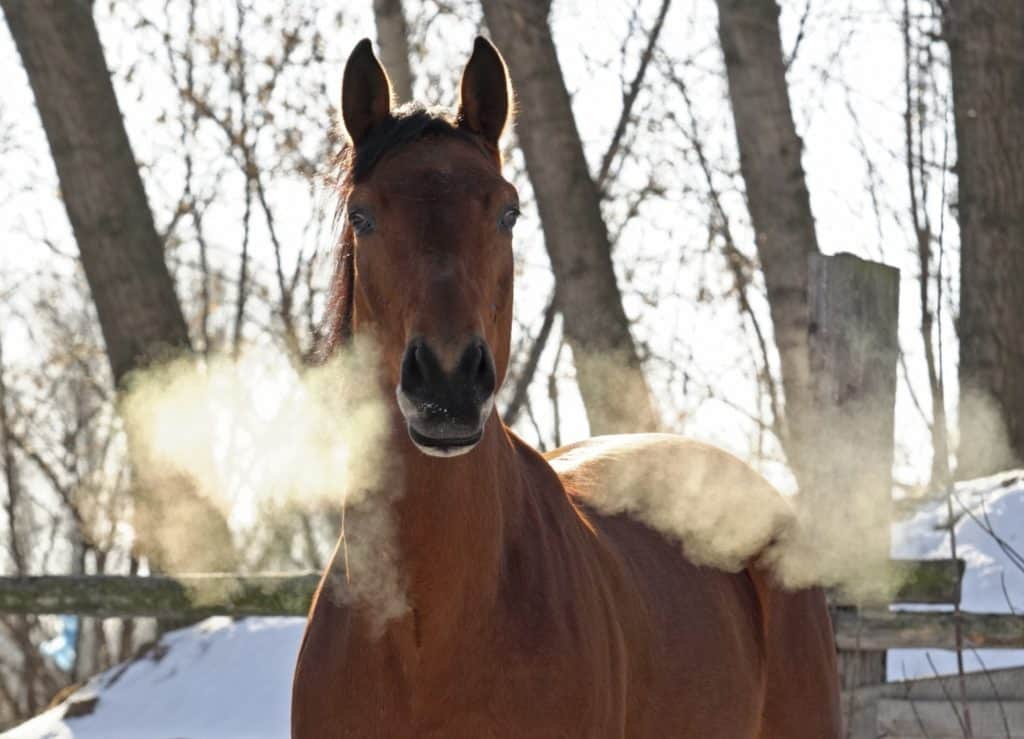
Does your horse have asthma? Find out how you can help him using management and environmental changes.

Slow feeders and haynets offer many benefits for horses, such as metered forage intake, but can also create safety issues. Here are solutions to common challenges.

Deworming doesn’t have to be dull! Brush up on your parasite control knowledge with these expert-approved facts.

Over the past few decades veterinarians and researchers have investigated major EHV-1 outbreaks in the U.S. to learn more about how to contain and prevent future occurrences.

Insects don’t just harass your horse—their bites can cause welts and rashes, lead to insect bite hypersensitivity, and even transmit diseases. Download this free report to learn about smart insect control strategies you can use to keep your horse comfortable.
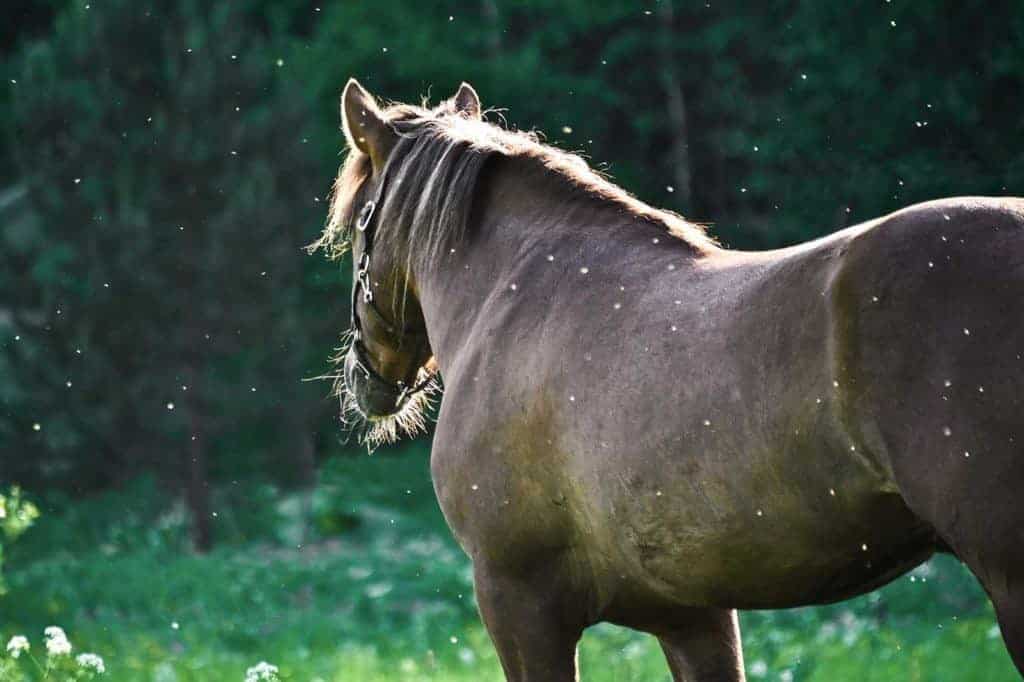
Learn about Eastern equine encephalomyelitis (EEE), Western equine encephalomyelitis (WEE), and West Nile virus (WNV) and how you can best protect your horse.

Are you wondering when your pregnant mare will foal? Use our Mare Gestation Calculator to estimate her foaling date!
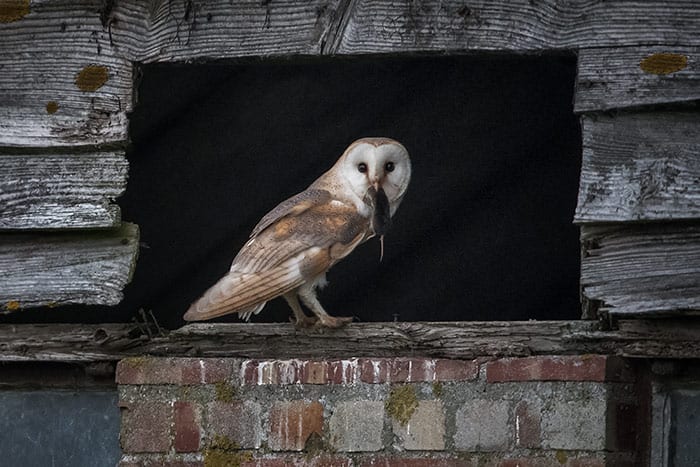
A barn owl family will consume nearly 2,000 mice or other rodents in just a couple of months. The good news for you is all it requires is the installation of a simple nest box—and the right habitat for their prey.