Practical Tips to Prevent Parasite Resistance in Horses
Scientists have reported widespread parasite resistance against every anthelmintic drug class on the U.S. market.

Scientists have reported widespread parasite resistance against every anthelmintic drug class on the U.S. market.

Each horse has his own individual needs when it comes to parasite control. But when you’re responsible for deworming a number of horses on one property, how do you meet each one’s needs?

Owners often seek advice and tips on ways to keep their RAO-affected horses healthy, so we’ve scoured our archives and compiled 10 resources available for free on TheHorse.com.
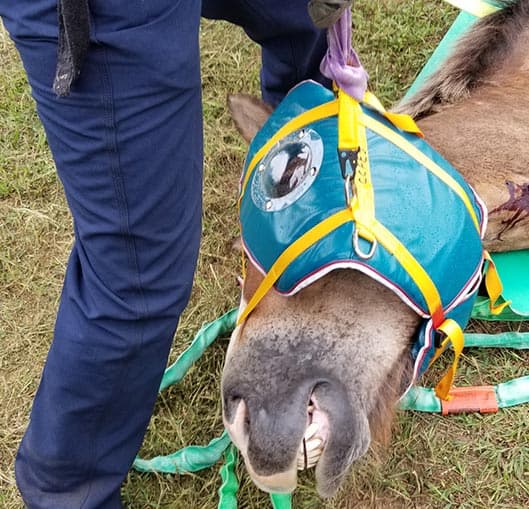
Vets and handlers can take these steps to keep horses restrained during recovery or rescue.

Horses are susceptible to a number of viral and bacterial diseases for which the equine industry has produced safe and effective vaccinations.

Dr. Morgan Hayes of the University of Kentucky describes barn and indoor arena ventilation problems and how to fix them.

Does freezing weather turn urine and water in your stalls’ runs into pee-filled ice rinks? There’s no perfect solution, but here are some tips that might help.

As a traditionally outdoor sport, horseback riding might seem like one situation where you wouldn’t need to wear a mask or stress over social distancing to prevent the spread of COVID-19. However, that might be a mistake, says a leading equitation science researcher.

British researchers watched horses feeding in groups to find out if dominance is linked to weight gain. What they found might surprise you.

Grain or hay: Which is better to keep horses from losing weight during winter?

Beware of scammers looking to separate you from your hard-earned money.

CBD is becoming increasingly popular. However, a veterinarian turned attorney warns equine practitioners to tread cautiously when it comes to discussing CBD products with clients.

Is your horse a picky eater? Learn about reasons your horse might turn his nose up at his meals and what you can do about it.
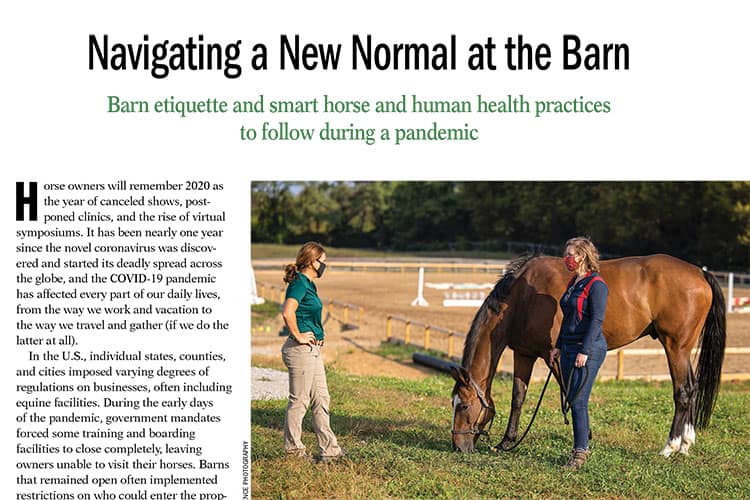
COVID-19 has touched every part of our lives, including our time at the barn. Download this free guide for smart horse and human health practices to follow during a pandemic.

With risk assessments and appropriate mitigation, the British Equine Veterinary Association notes vets should be able to carry out work that is essential to support horse welfare and the horse industry.

Rats and mice spread disease and ruin horse feed. Learn how to reduce populations in your barn.