Fighting Foot Funk
Learn how to combat foot issues such as thrush, white line disease, and abscesses that can develop in or be exacerbated by moist, muddy conditions.

Learn how to combat foot issues such as thrush, white line disease, and abscesses that can develop in or be exacerbated by moist, muddy conditions.
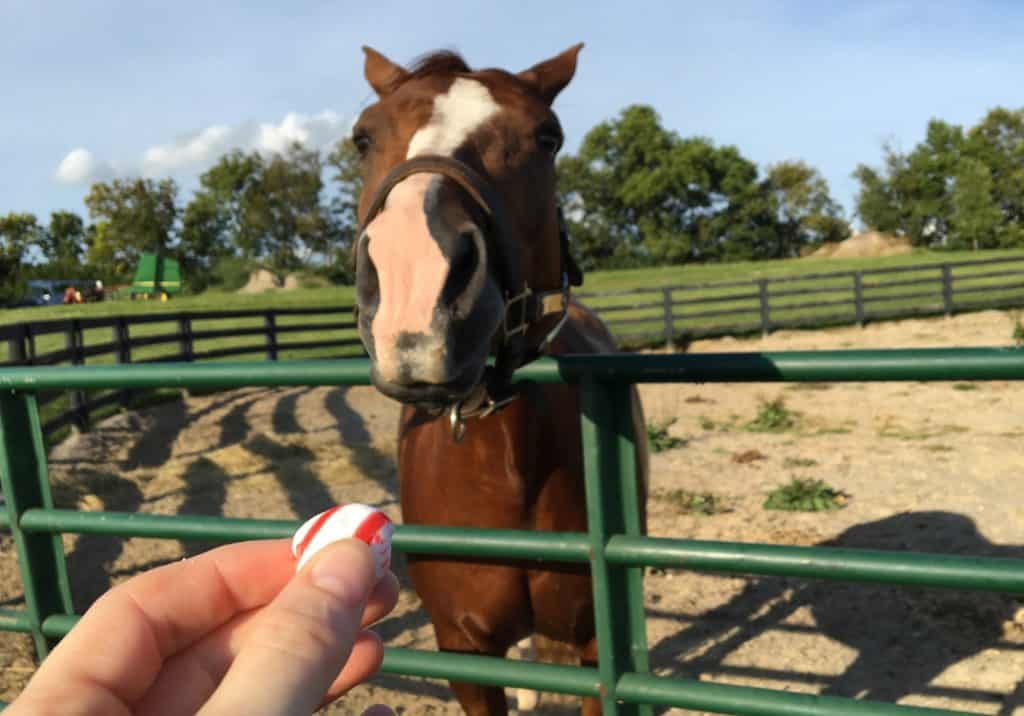
Horses with laminitis can still enjoy an occasional carrot or peppermint, but safer options include low-sugar fruits, veggies, and commercial treats.
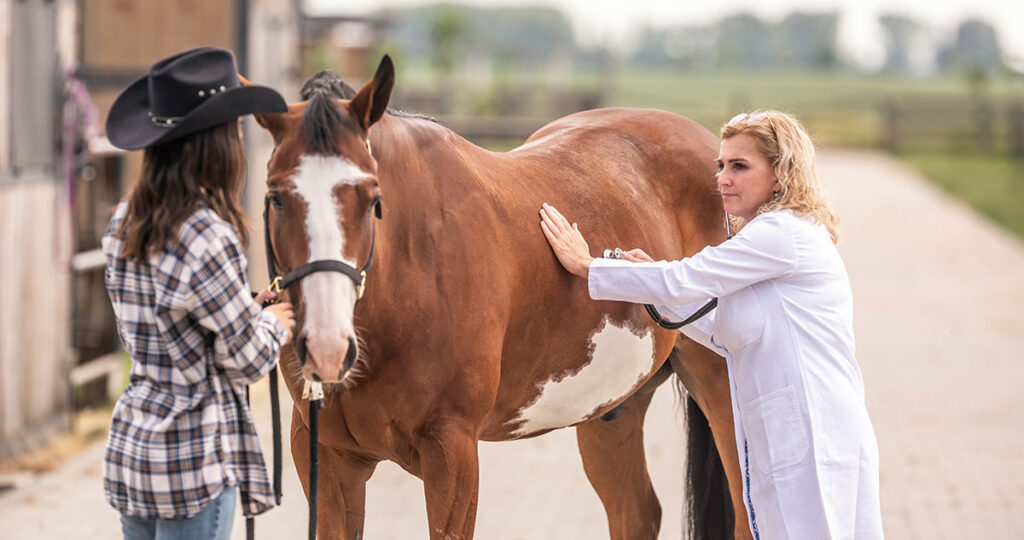
Financial planning and practical management help owners provide effective care for horses with chronic conditions or long-term injuries. Sponsored by CareCredit.

How soon can I ride my horse after he gets trimmed or shod? How do I know if he has thin soles? Vets and farriers answer these common hoof health questions and more.

Veterinarians describe 9 common causes of poor performance in horses and what it takes to get a diagnosis.
Dr. Wendy Krebs explains the common costs associated with purchasing a horse and early ownership in this Ask TheHorse Live excerpt.

Veterinarians weigh in on the do’s and don’ts of wound care, from discovery to recovery.

An equine veterinary podiatrist says ice might help address this horse’s foot pain but won’t solve the main problem.

Experts describe how to help horses experience a comfortable and healthy retirement.

What to expect when a veterinarian performs a prepurchase exam on a prospective equine partner.

Dr. Howland Mansfield answers a listener question about the connection between equine metabolic problems, such as PPID, and hind-limb lameness.

Learn how horses go from metabolic to laminitic and ways to manage them.
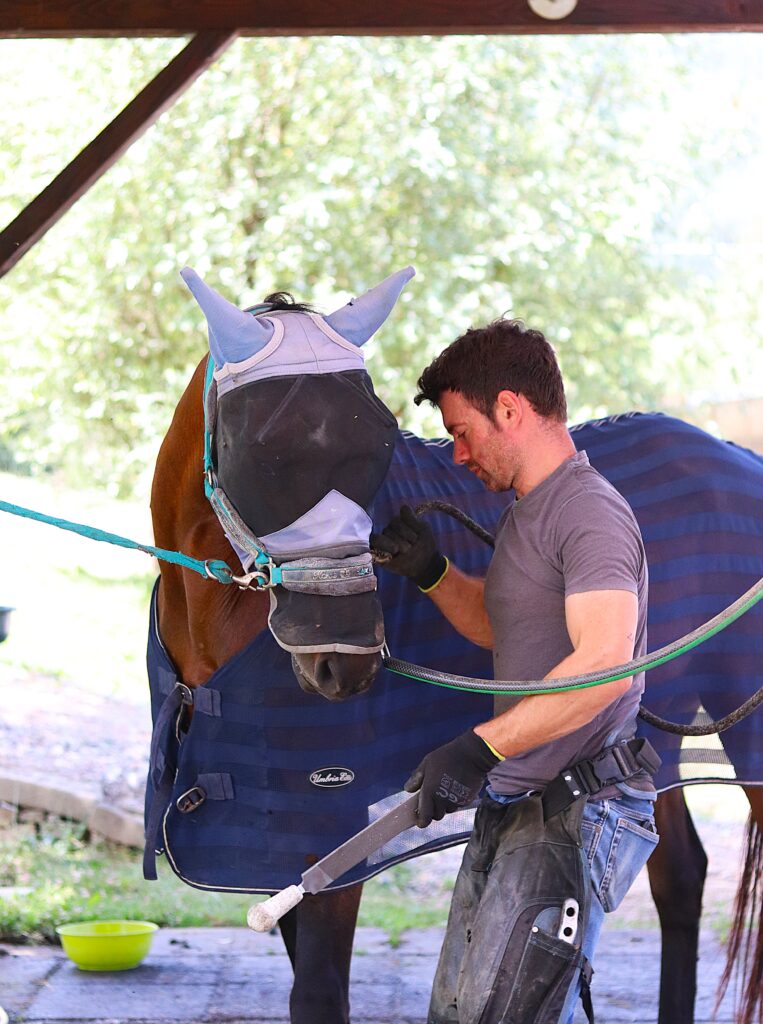
Use these tips to help your horse not just tolerate farrier visits but also enjoy them.

A veterinarian describes when sedation might be necessary for your horse’s farrier visit, common sedatives for farrier work, and safety considerations.

Your farrier plays an important part in your horse’s hoof health. Remembering a few simple things can help the appointment run smoothly.

Grass sugar levels shift with time of day, season, and weather. Careful turnout timing can help prevent problems in horses with EMS, IR, or a history of laminitis.