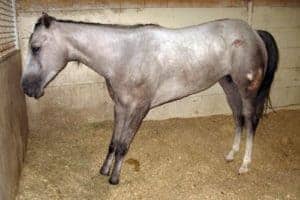
Endocrine Disease and Performance Horses—More Than Laminitis
Learn the latest on equine endocrine disease—causes, diagnosis, dynamic testing, and whole-horse treatment strategies—beyond just laminitis. Sponsored by Kentucky Performance Products.

Learn the latest on equine endocrine disease—causes, diagnosis, dynamic testing, and whole-horse treatment strategies—beyond just laminitis. Sponsored by Kentucky Performance Products.

The latest research-based recommendations on managing equine metabolic syndrome and insulin dysregulation. Sponsored by Equithrive.

Laminitis in horses involves multiple pain pathways. Here’s how veterinarians can effectively address them using targeted treatment strategies.

Researchers now understand how 7 types of shoeing combinations affect movement in each area of the horse’s neck and back.

Owner-provided information and a thorough lameness examination can help veterinarians start meaningful investigations into front foot lamenesses.

An equine veterinarian describes why uneven pressure on the hoof can cause quarter cracks and how farriers can manage them using corrective trimming and shoeing.

A podiatrist gives his tips for keeping a horse with chronic laminitis and equine metabolic syndrome comfortable.

Proper shoeing aligns with a horse’s conformation and job, enhancing natural abilities with minimal interference.

A veterinarian with equine podiatry expertise describes frog exfoliation and what you should do if it happens to your horse.

Horses with certain health conditions should skip sweet treats. Find out if your horse is one.

Find out how to recognize when a horse is at risk of developing EMS-related laminitis and what you can do to either prevent or manage it so he stays sound.

Cold, inclement weather and poor footing can create challenges for exercising horses during the winter. Here are some factors to keep in mind.

Going barefoot can benefit hoof health, but consider management and physical needs before pulling shoes.

Even horses with less-than-ideal feet can lead sound and productive careers.

Scientists believe a new drug, methylated tirilazad, could be an option for treating laminitis in horses, noting additional research is needed.

Driving horses, whether pulling a plow, going for a pleasure drive, or competing, face health considerations similar to and distinct from those of typical sport horses.