Feeding the Endocrine-Challenged Horse
Laminitis risk is the No. 1 reason we worry about equine metabolic conditions such as EMS and PPID when feeding horses.

Laminitis risk is the No. 1 reason we worry about equine metabolic conditions such as EMS and PPID when feeding horses.

Causes of collapse in apparently healthy horses range from sleep deprivation and pain to muscle disorders and pregnancy.

Follow Tess, a 16-year-old mare, step-by-step as she rehabs from a bought of PPID-related laminitis.
Veterinarians and farriers recently collaborated on a case of bilateral keratomas in a 6-year-old Holsteiner mare.

Researchers explored if hyperinsulinemia and laminitis severity are correlated in horses recently diagnosed with PPID.
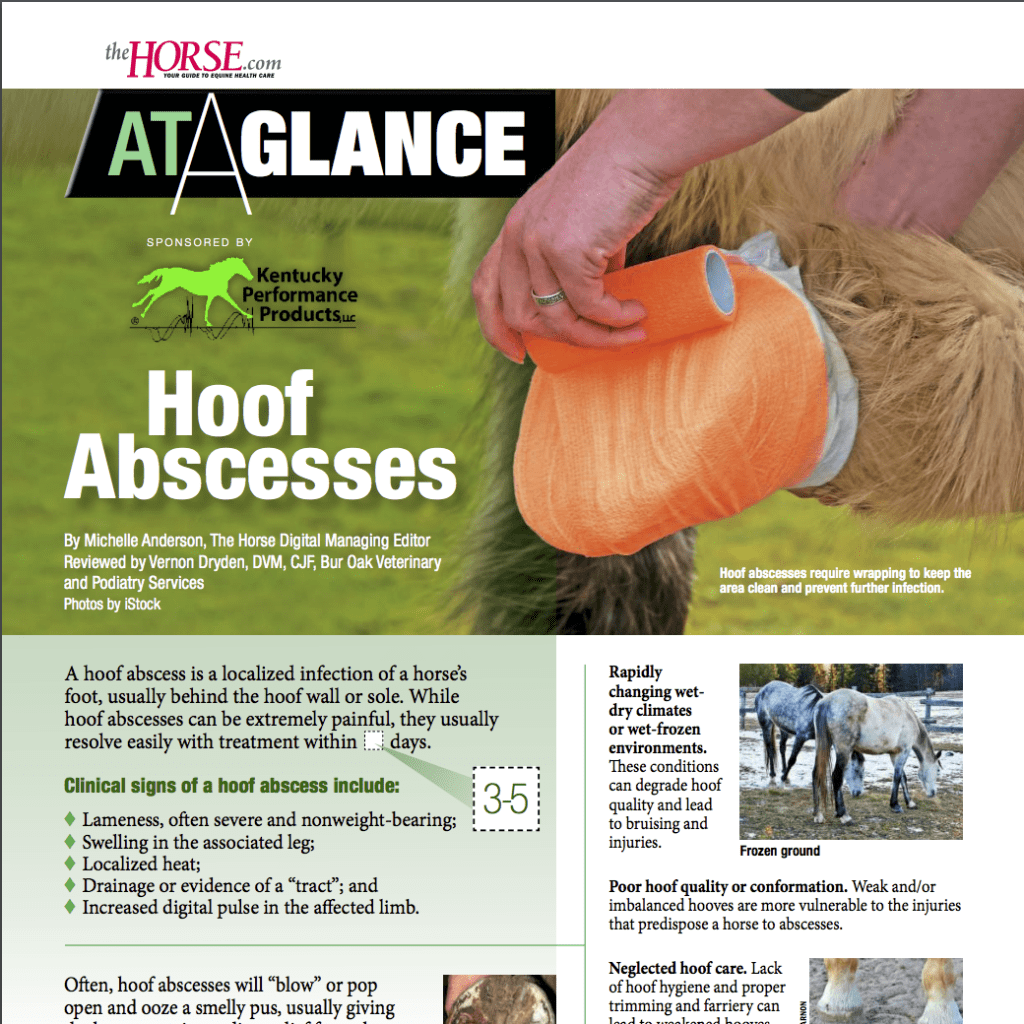
Find out how to treat and prevent this common equine hoof problem in our special guide!
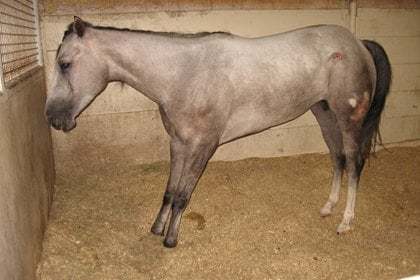
Dr. Andrew van Eps’ lecture will take place May 2 at Penn Vet’s New Bolton Center in Kennett Square, Pennsylvania.

Equine metabolic syndrome can cause obesity, insulin resistance, and laminitis. Find out how to care for your EMS horse during our live event.

Research has provided farriers with a better understanding of how weight-bearing and loading affect hoof wall growth.
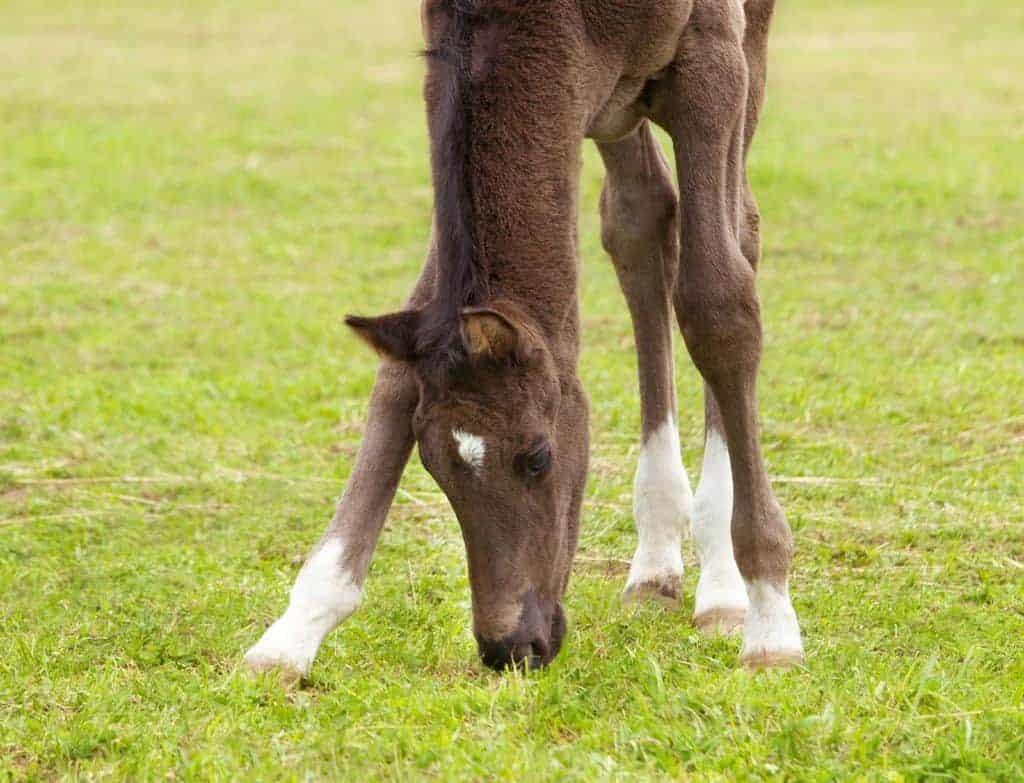
The hoof is a dynamic structure that undergoes continuous changes throughout a horses’ lifetime.

Of the 1,743 respondents, 841 (48%) said their horses’ hooves are trimmed and/or shod every six to seven weeks.

In one trial, oral acetaminophen was comparable to flunixin meglumine at relieving hoof pain.

Horses with asymmetric feet have altered loading patterns, which could lead to lameness and possibly early retirement.

Underrun heels can contribute to problems such as chronic heel pain, bruising, lameness, reduced performance, and more.

Learn about what’s cutting-edge in the world of equine hoof care from our 2017 International Hoof Care Summit coverage.

Researchers found that, of the beddings tested, pine shavings were most effective at inhibiting bacterial growth.