The Horse, Sweet PDZ Stall Freshener Team for Asthma Awareness Week
Find resources about air quality and equine respiratory health during the week of April 26 on TheHorse.com.

Find resources about air quality and equine respiratory health during the week of April 26 on TheHorse.com.

Owners often seek advice and tips on ways to keep their RAO-affected horses healthy, so we’ve scoured our archives and compiled 10 resources available for free on TheHorse.com.

Dr. Morgan Hayes of the University of Kentucky describes barn and indoor arena ventilation problems and how to fix them.

Ditching dry hay in favor of cleaner forage options improved racehorse airway inflammation.

Researchers found that owners of horses with severe asthma struggle to implement recommendations for a dust-free equine environment.
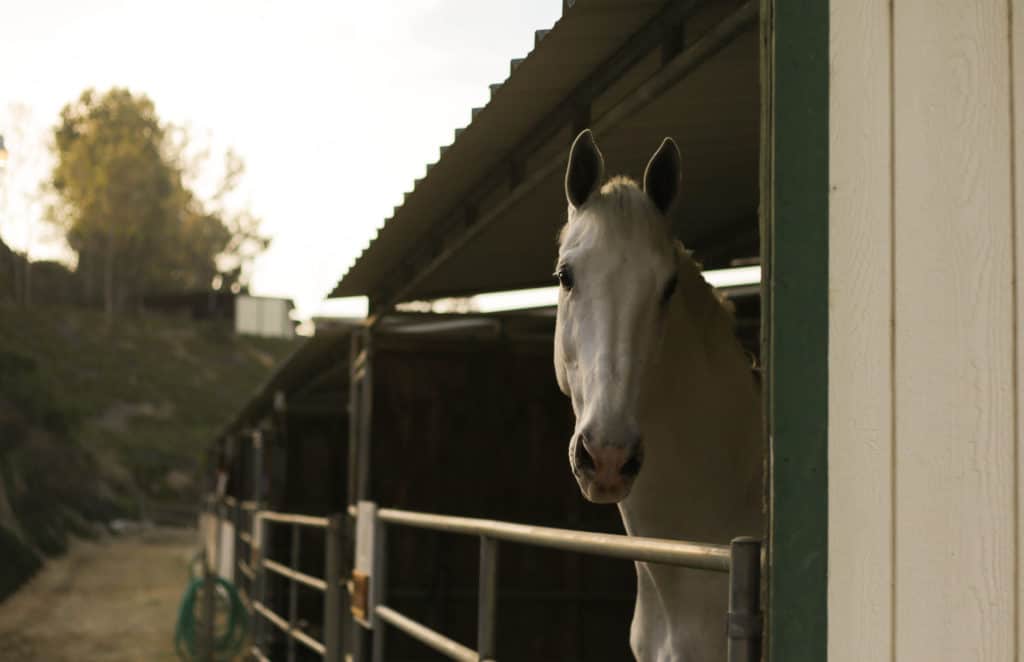
Adjusting a horse’s environment and administering medications as needed can help some asthmatic equids return to function.

Have you walked into a barn and smelled a pungent, burning odor? That’s ammonia, and it’s hurting your horse.

The survey asked owners, managers, and riders about arena construction characteristics, air quality, arena footing, and associated health outcomes in horses and humans.

If you house your horses in a barn, keeping it well-ventilated is an essential part of their care. Download this free report to learn how you can take simple steps to improve the ventilation in an existing barn and give your horse the fresh air he needs.
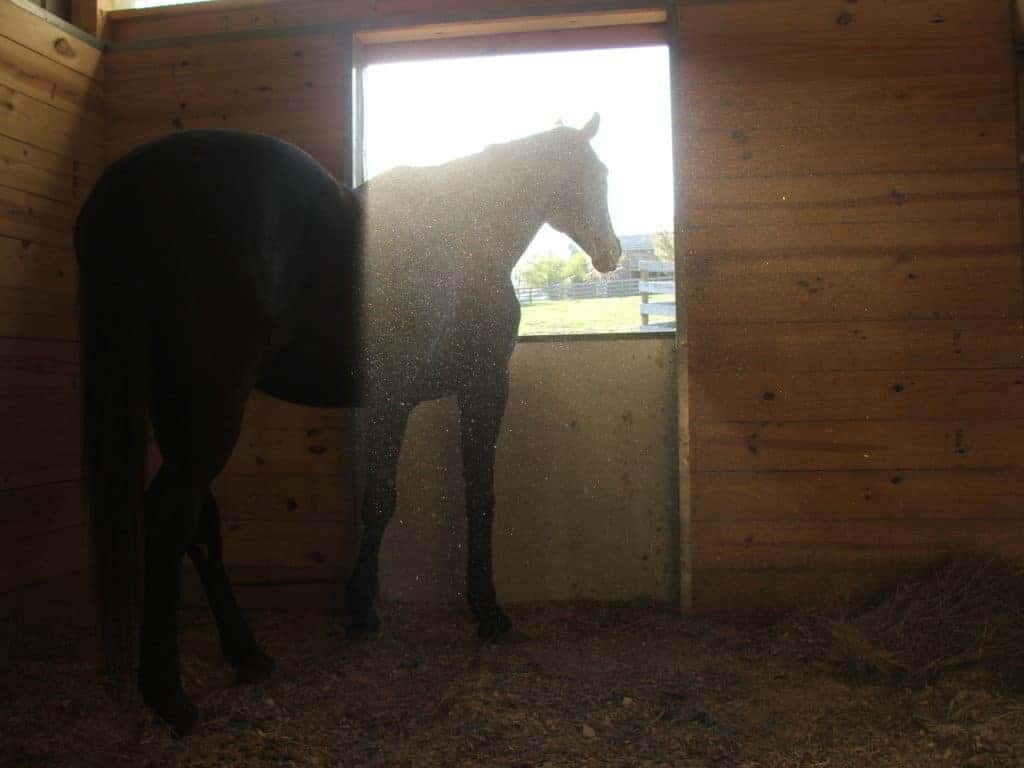
To establish a baseline, researchers are recruiting EAA/T center directors and volunteer coordinators to complete an online survey about equine facility air quality.
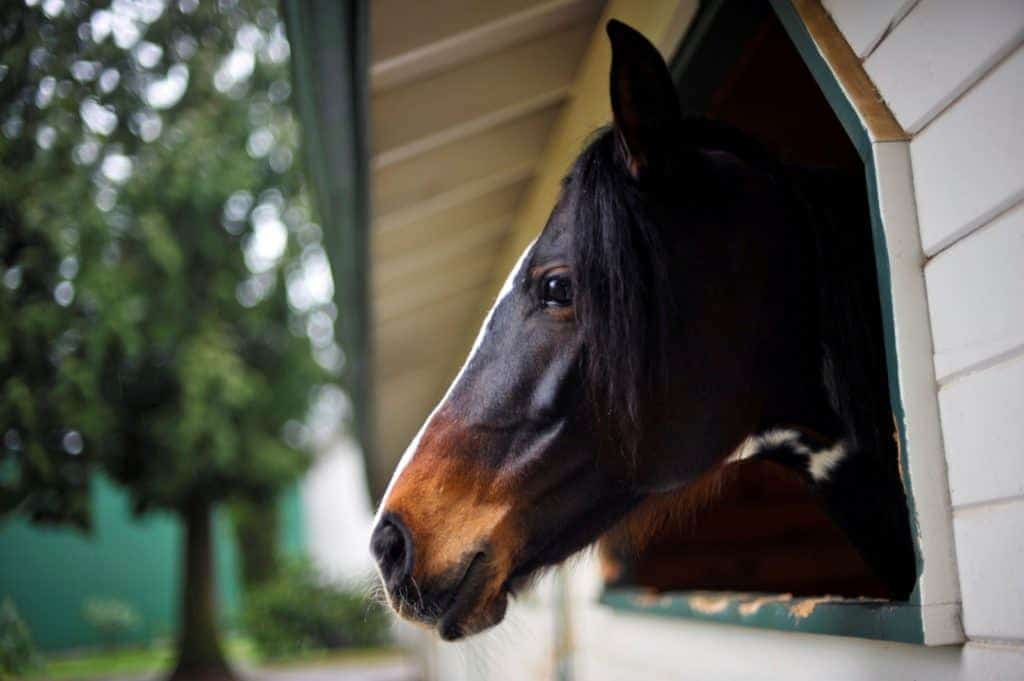
Researchers have discovered that breathing in various kinds of molds can cause a horse to develop IAD.

Pay close attention to and never ignore possible red flag indicators that arise when considering or visiting horse boarding barns. Here are some of the issues potential boarders might encounter.

Ammonia buildup can affect a horse’s respiratory health and performance, but it is preventable with sound management practices. Download this free report to learn more.
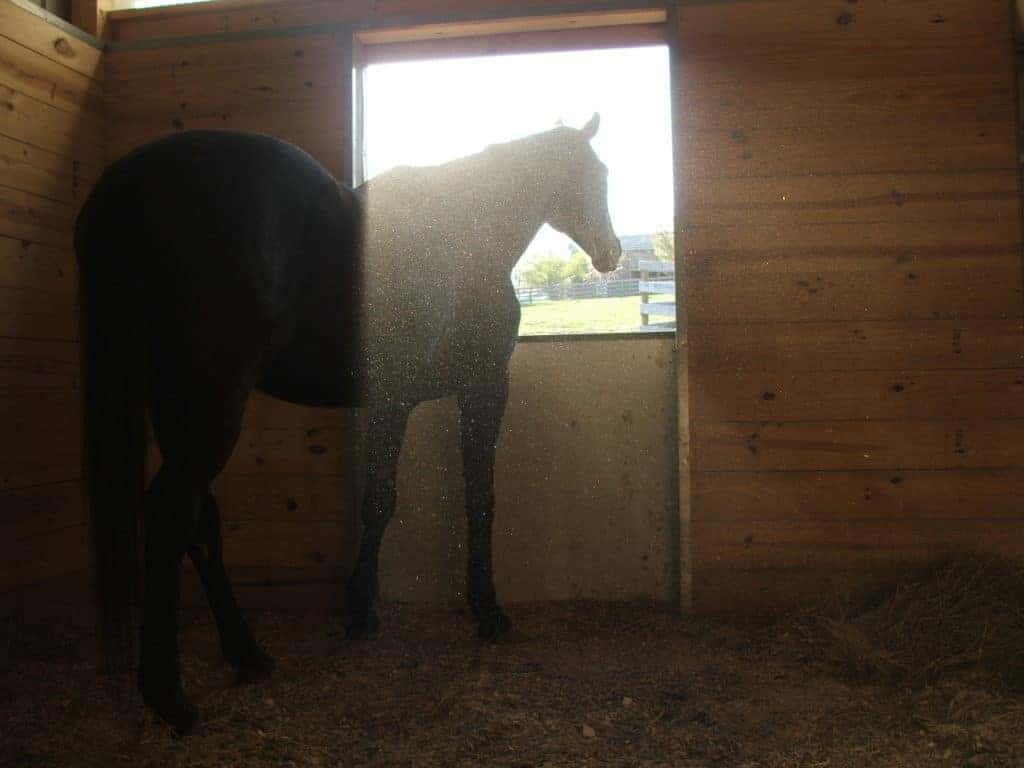
Study results revealed that box stalls have much higher concentrations of potentially disease-causing pathogens in the air compared to run-in sheds.

Consider these tips to help protect your horse’s breathing zone and most effectively achieve optimal respiratory health this winter.
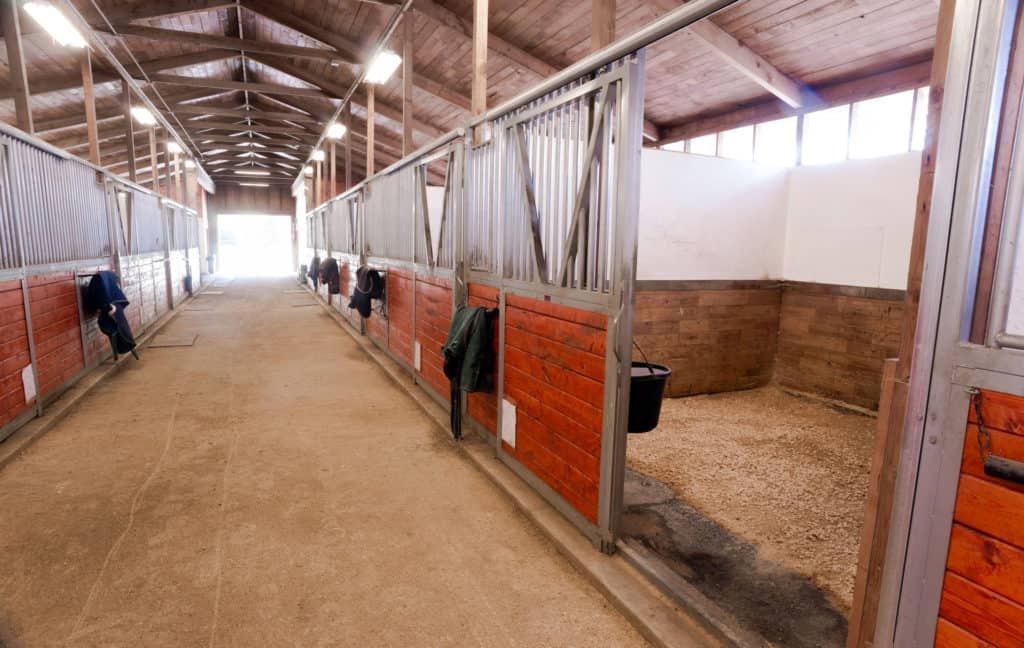
However, researchers did observe an 86% reduction in inhalable dust concentrations when horses were fed haylage instead of hay and stalls were bedded with wood shavings instead of straw.