New Drug Protocol Holds Promise in Treating Placentitis in Mares
Researchers investigated tackling placentitis on three fronts using a combination of firocoxib, trimethoprim sulfamethoxazole, and altrenogest (a progestin used to suppress estrus).

Researchers investigated tackling placentitis on three fronts using a combination of firocoxib, trimethoprim sulfamethoxazole, and altrenogest (a progestin used to suppress estrus).

Confused about your horse’s diet? We’re here to help. Here’s how to craft the proper hay and grain ration.

Prevailing wisdom has been that Western disciplines are too physically demanding to allow athletes to return to work after arthroscopic stifle surgery. A study presented at the 2019 AAEP Convention found this isn’t necessarily the case.
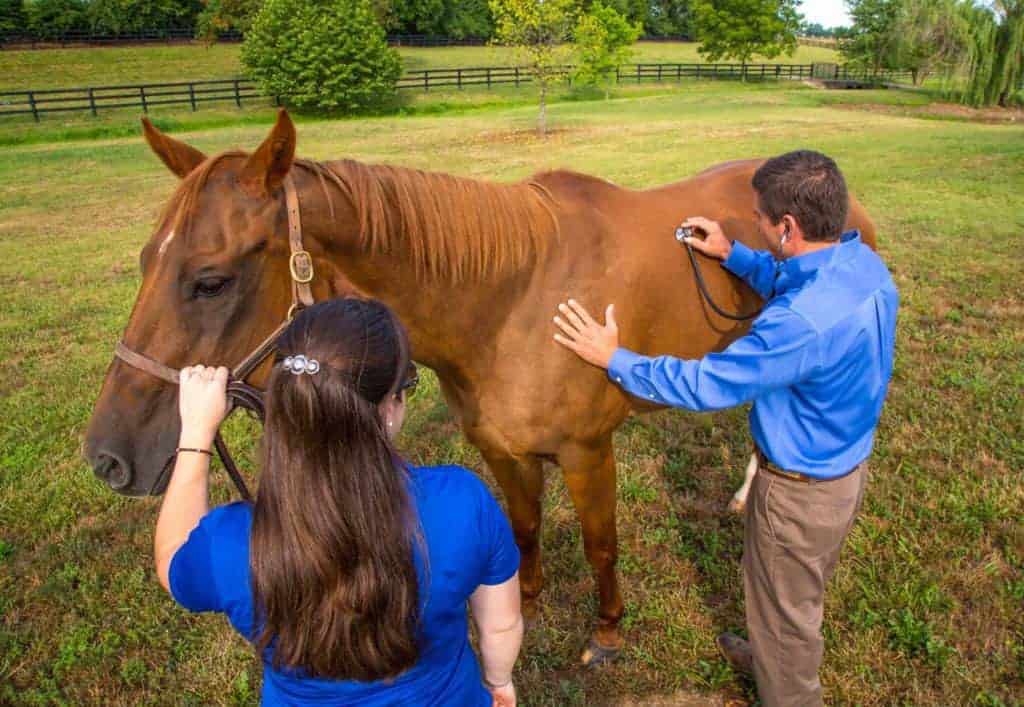
Not all diseases have cut-and-dried diagnoses. In this article, veterinarians walk us through actual cases of three tough-to-diagnose diseases: botulism, EPM, and Potomac horse fever.

Getting to the root of a less-than-ideal feeding regimen requires evaluating the horse, the human, the forage, and the grain or concentrate.

British researchers found more success treating EGGD with misoprostol than with a combination of omeprazole and sucralfate, known to effectively treat squamous ulcers.

Are there any special considerations I need to make when hauling, housing, and showing my healthy senior gelding?

Mandatory headgear, banned bitless bridles, imposed endurance rider weights, and frangible device requirements for eventing jumps are among new FEI rules.

The survey asked owners, managers, and riders about arena construction characteristics, air quality, arena footing, and associated health outcomes in horses and humans.

A thorough PPE on off-track Thoroughbreds can pay dividends both now and years into the future of the horse’s second career.

Find out what behaviors and signs to watch for that suggest visual impairment, and learn how to help horses deal with deteriorating eyesight and blindness.

Blood testing provides a clearer picture of potential cobalt misuse.

If you house your horses in a barn, keeping it well-ventilated is an essential part of their care. Download this free report to learn how you can take simple steps to improve the ventilation in an existing barn and give your horse the fresh air he needs.

As concerns over antibiotic resistance grow, equine veterinarians look for ways to treat wounds without reaching for these powerful drugs. Here are some of their options.
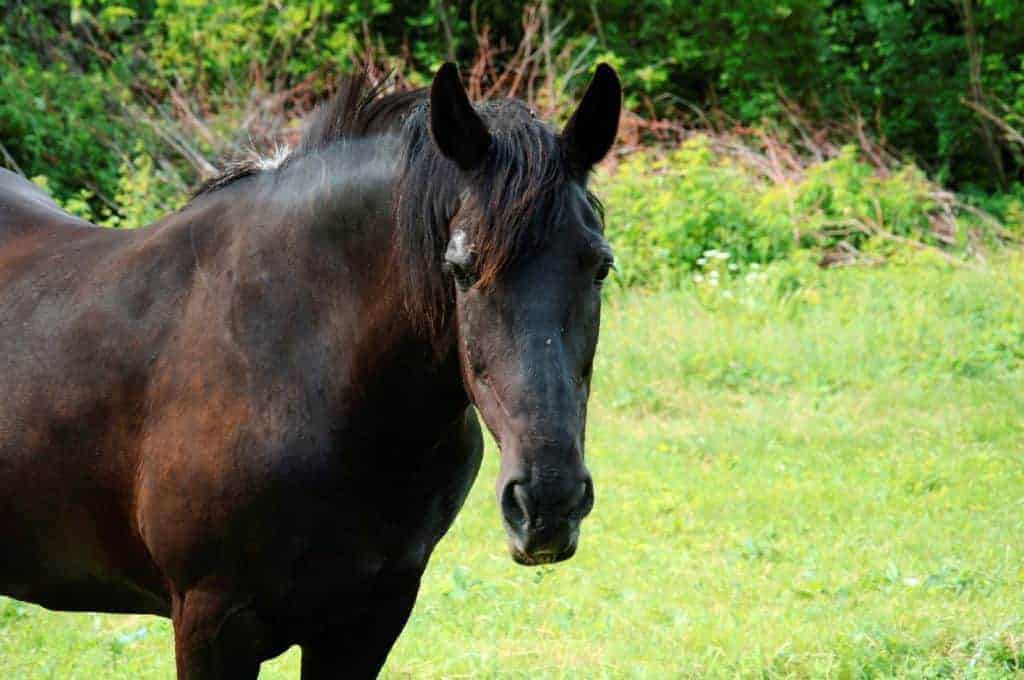
Horses experience less profound immune system changes than humans as they get older. However, researchers still have much to learn about equine aging.

Navicular syndrome management changed significantly in 2014 when the U.S. Food and Drug Administration approved bisphosphonates for treatment. Sponsored by Dechra Veterinary Products.