Hot Weather Calls for Cool Care of Your Horse
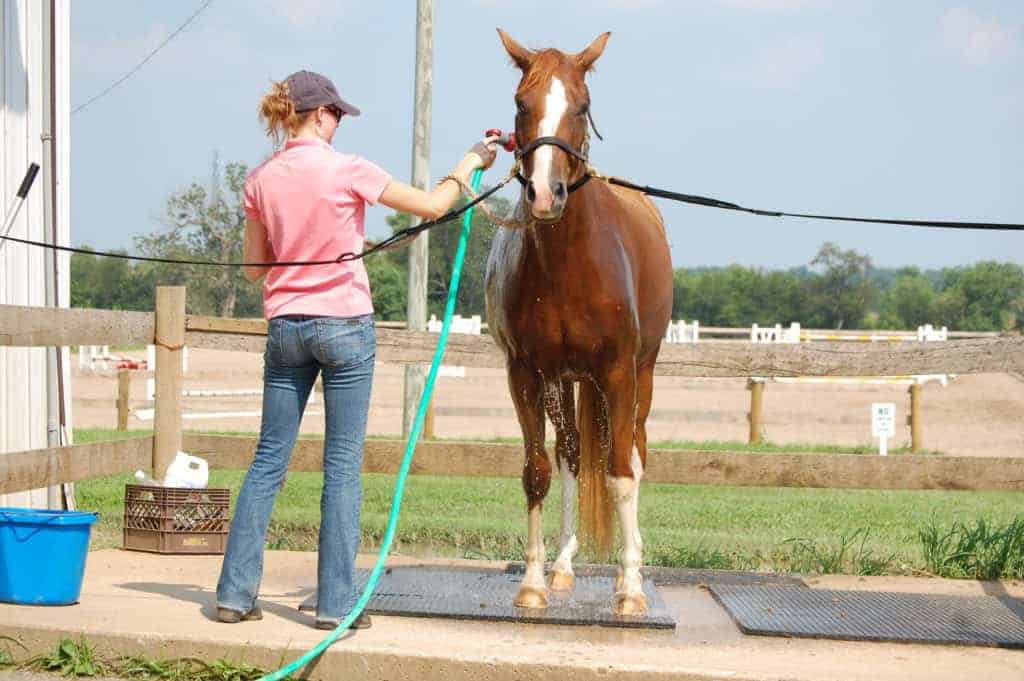
For riding enthusiasts, summertime necessitates paying extra attention to your horse’s physical needs.

For riding enthusiasts, summertime necessitates paying extra attention to your horse’s physical needs.
The National Reining Horse Association (NRHA) Board of Directors recently voted to approve an Animal Welfare
A horse’s body temperature can indicate everything from an internal ailment (such as colic) to an infectious disease to hypothermia. Or it can simply confirm that a horse is healthy and ready for action. While most owners and veterinarians step to
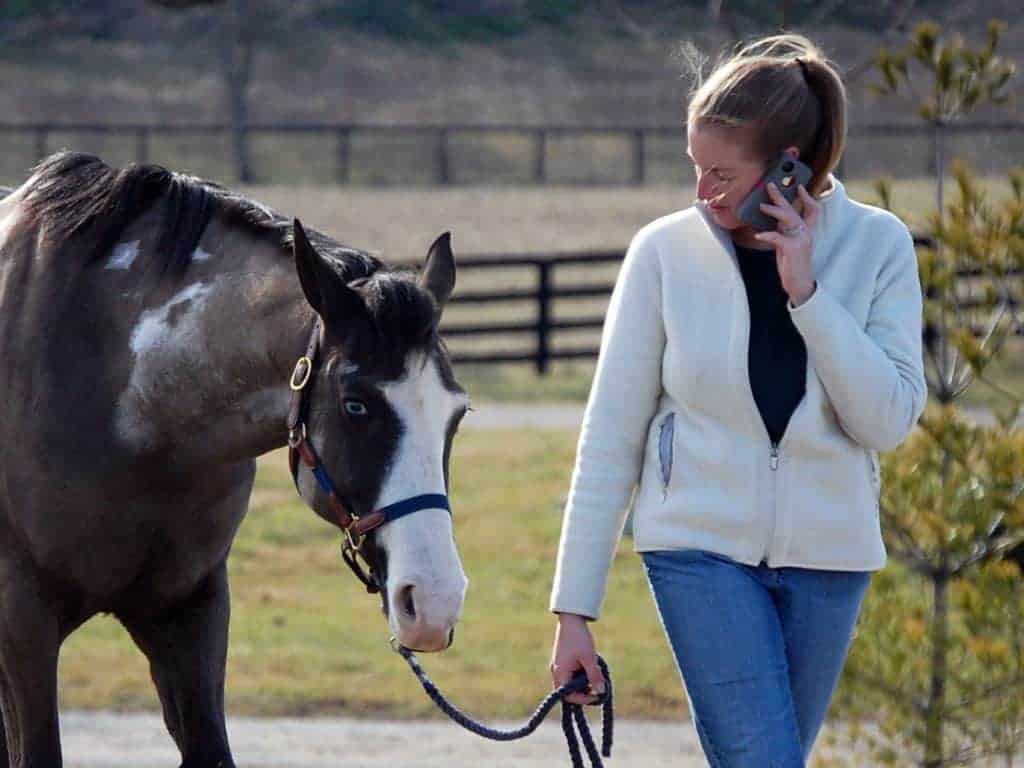
It’s important an owner knows how to help his or her injured horse until the veterinarian arrives.
Being familiar with your horse’s normal resting temperature, pulse, and respiration rates (TPR) help you recognize when things are abnormal. The TPR vitals help you determine “how abnormal.”
Since you can’t tell your horse to “Take a deep breath,” listening to your horse requires some technique to hear lung sounds.
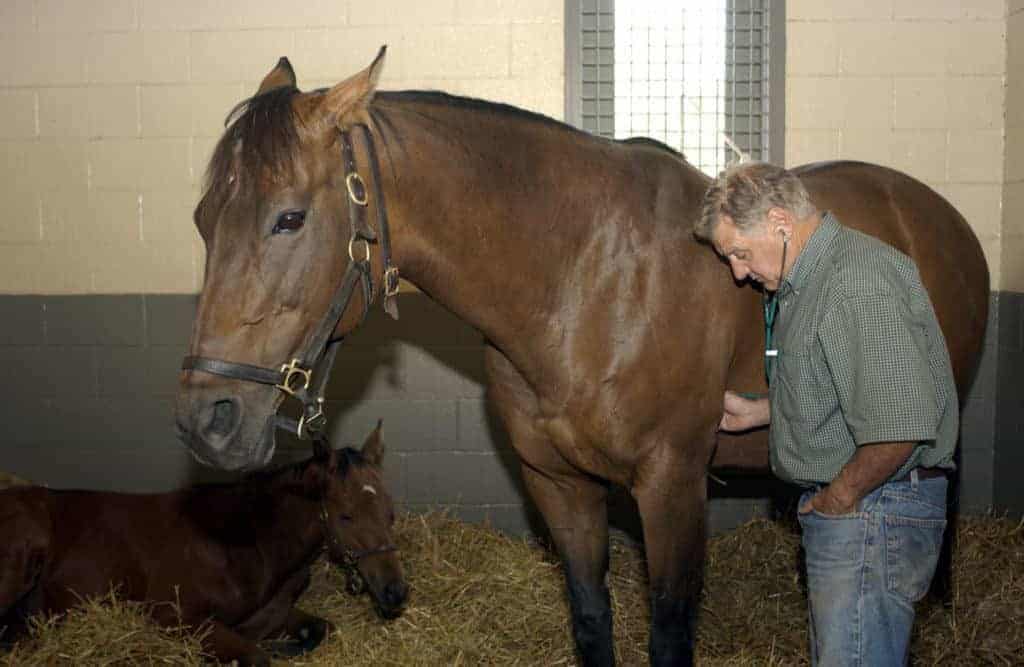
Knowing how to identify abnormalities in your horse’s heart rate and rhythm will help you and your veterinarian treat him or her when illness strikes.
Unlike heart and respiratory rates, abdominal sounds do not punch a specific time clock for generating “gut sounds.” The rhythmic peristaltic churning of food mixed with fluids within the gut varies in slower waves depending on meal time, the meal itself, and the level of activity. You don’t actually “time” bowel sounds, but you do want to know if they are present.
For horse owners and others who care for horses, recognizing the differences between what is normal and what is abnormal about them forms the basic foundation for good animal husbandry and veterinary medicine.
The time to pull out the thermometer and stethoscope to check your horse’s temperature, pulse (heart rate), and respiration (TPR) for the first time is not when he’s looking a little puny and you and the veterinarian are on the phone trying to decide whether it’s an emergency. Instead, these baseline measurements should be part of a horse’s routine care.
Cardiopulmonary resuscitation (CPR) is the restoration of spontaneous circulation and breathing and is used in cases of cardiopulmonary arrest, defined as sudden cessation of spontaneous and effective respiration and heartbeat. This most often
The best equine test for vision is the “dazzle reflex,” a sensitive test for retinal function. An observer watches to see if the horse squints in response to shining a bright light into the injured eye.

Wellness care can result in a healthier life for the horse at a more manageable cost for the owner.
Horse owners have a better chance of detecting disease and stress in a horse if they are familiar with the normal behavior and physiological parameters of their animal.
Familiarity with what constitutes “normal” for a horse allows equine
The physical examination should assess any changes in the horse’s demeanor, respiratory system, cardiovascular system, body temperature, evidence of shock, and hydration status.
Many horse health crises can be prevented with wellness exams, vaccinations, and year-round parasite control.