12 Signs of Good Equine Health
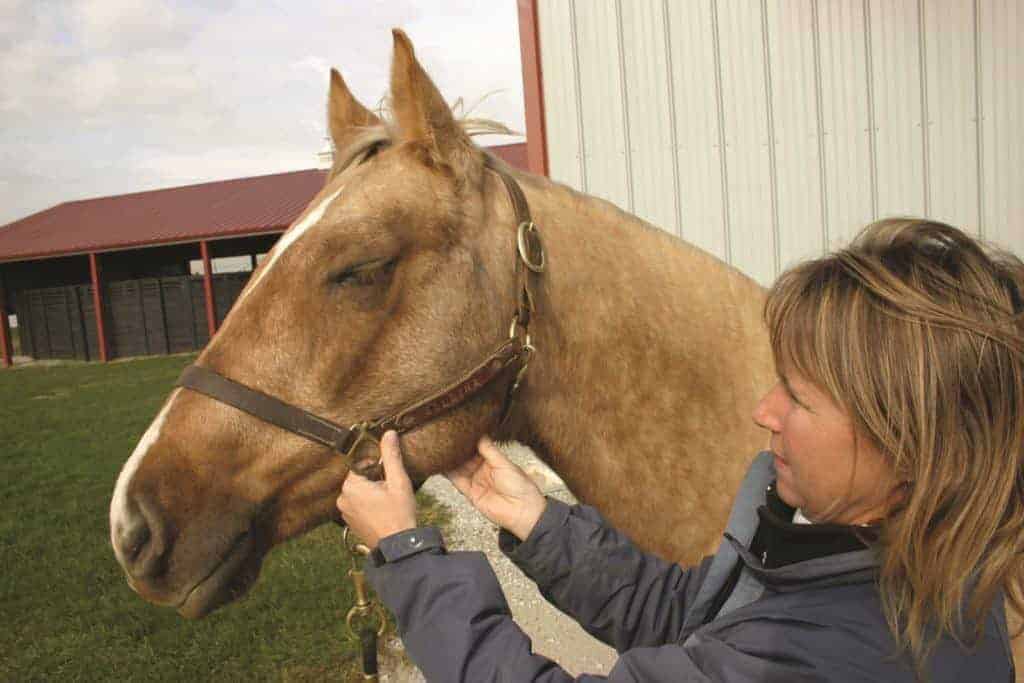
Knowing normal resting (adult horse) vital-sign values can help you establish baseline information for your horse and detect potential health problems early. Learn how in this special report.

Knowing normal resting (adult horse) vital-sign values can help you establish baseline information for your horse and detect potential health problems early. Learn how in this special report.
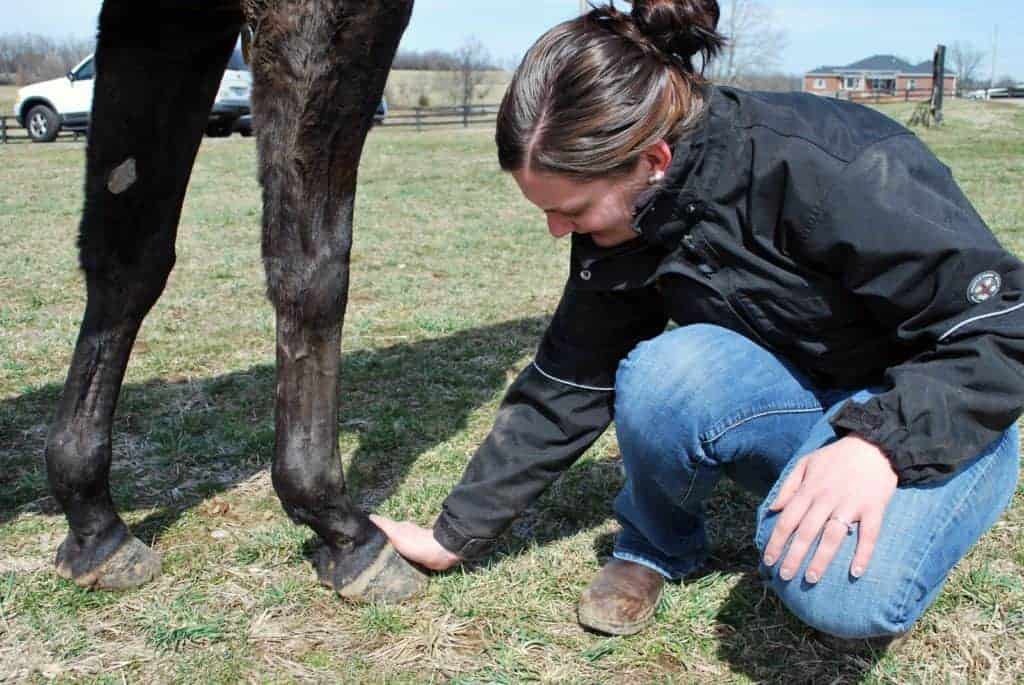
Examine your horse’s vital signs, body, and behavior on a regular basis to be a better horse owner.

Use this comprehensive form to evaluate your horse’s well-being from nose to tail prior to a vet visit. Record everything from body condition to lameness. Also covered in this form: vital signs, eyes, attitude, skin coat, gut sounds, and more.

Your horse’s fecal production and appearance can be an indicator of good or poor health.

We’ve compiled a list of the 10 most popular videos of 2012. Did your favorites make the list?
Parents need to be aware of equine ownership commitment and cost before granting a child’s wish.

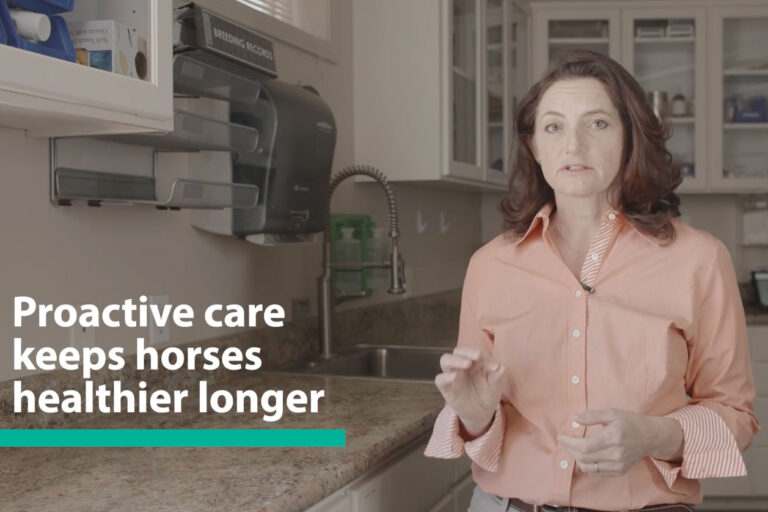
Tom Cassleberry, DVM, of Fairfield, California, shows you how to take your horse’s temperature.
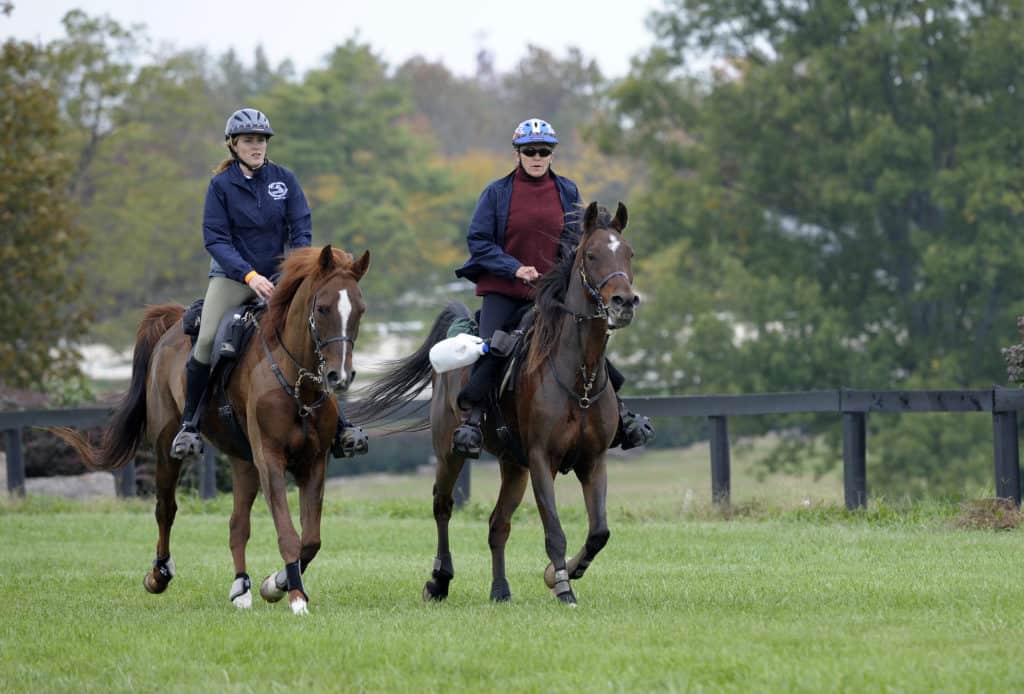
Attention to conditioning and minimizing wear and tear can help horses stay on the trail for years to come.

Study links common post-surgical heart arrhythmia in horses to anesthesia, surgery, and recovery.

After buying a horse, reality sets in, and the owner realizes that even one horse is a lot of responsibility and hard work.
On April 3, New Bolton Center will present “It’s 10 p.m. and My Horse Isn’t Right: When is it an Emergency?”

A physical therapy program is owner- and horse-intensive in terms of time and energy for successful outcomes.
Owners have a better chance of detecting disease and stress in a horse if they’re familiar with what’s normal.

Researchers examined the other three weigh estimation methods and found one stood out as more accurate.

Use this interactive tool to learn about the normal adult horse’s vital signs.
Quick reference guide on normal temperature, heart rate, and breathing rate in horses.