Is Your Horse Happy in a Stall?
It’s a question that can polarize equestrians. Here, one researcher shares what she’s learned on the topic.

It’s a question that can polarize equestrians. Here, one researcher shares what she’s learned on the topic.

Top international equitation scientists offer tips to ensure you use your riding reins in a horse-friendly, ethical way.

My trainer says feeding my horse treats has caused his poor ground manners. Should I stop?

Find out what researchers have learned in recent years about this stereotypic behavior in horses.

Researchers found that older weanlings appear to be–and seem to stay–more dominant in the social hierarchy.

Researchers determined that rein tensions were more consistent when horses were ridden with a martingale than without.

Andrew McLean describes equitation science’s beginnings and how learning theory can apply to far more than horses.
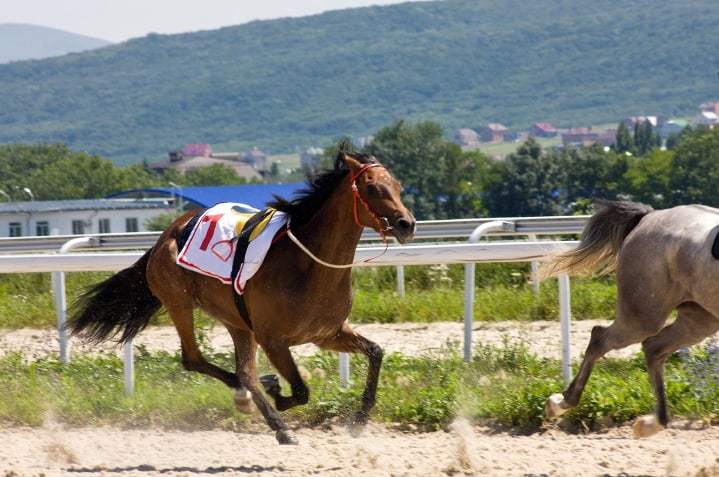
Why does a racehorse keep running after losing his jockey? Because of a brain function called automatism.
Knowing if sleep patterns affect performance could prompt interest in sleep as an important horse management factor.

Researchers emphasized the importance of using subtle cues and having precise timing when training in the round pen.
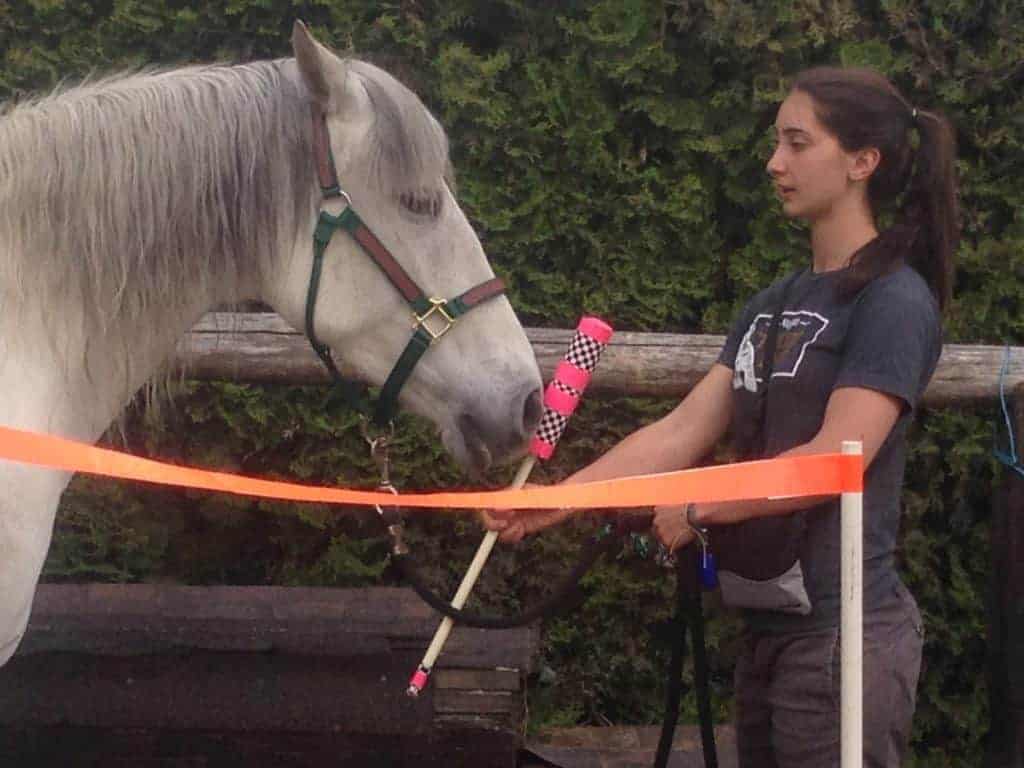
Researchers found no differences in horses’ stress levels in high-stress situations before and after training.

Rein tension can be a welfare concern that could result in both clinical and behavioral problems.

New research shows that when a larger area of soft bedding is available, horses will spend more time lying down.

Learn which factors have the biggest impact on stalled horses’ welfare and how owners can improve their environments.

Such equipment appeared most prevalent in sales advertisements for more expensive, higher-level horses, scientists said.

Learn how to safely train horses to behave during common procedures, such as taking temperatures and giving injections.