Head Movement Timing Helps Horses Walk Efficiently
Recent study results suggest that horses’ nods allow them to use energy more efficiently to carry their heavy heads.

Recent study results suggest that horses’ nods allow them to use energy more efficiently to carry their heavy heads.

Researchers determined that, in one study, Western curb bits caused less rein tension than did English snaffles.

Get a glimpse into the inaugural Progressive Equine Behavior & Training Forum, only on TheHorse.com!

The researchers said owners shouldn’t stop using verbal praise, but they recommended adding a treat or food reward to help motivate horses to learn.

At this stage researchers can’t say whether one position is better or worse, however. That’s especially true when it comes to training, they said.

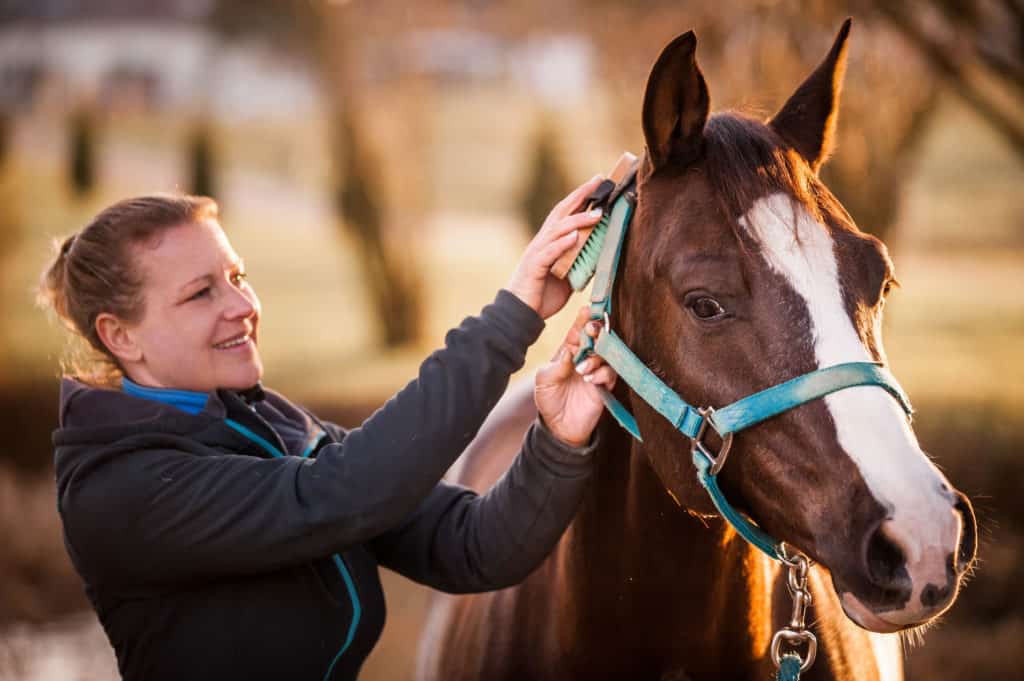
“Optimized” grooming led to as many as 177 times more positive behaviors on average per horse per 10-minute grooming session than standard grooming, researchers found.

To make a sustainable difference to horse welfare, owners must apply the findings of research into human behavior change, one researcher says.
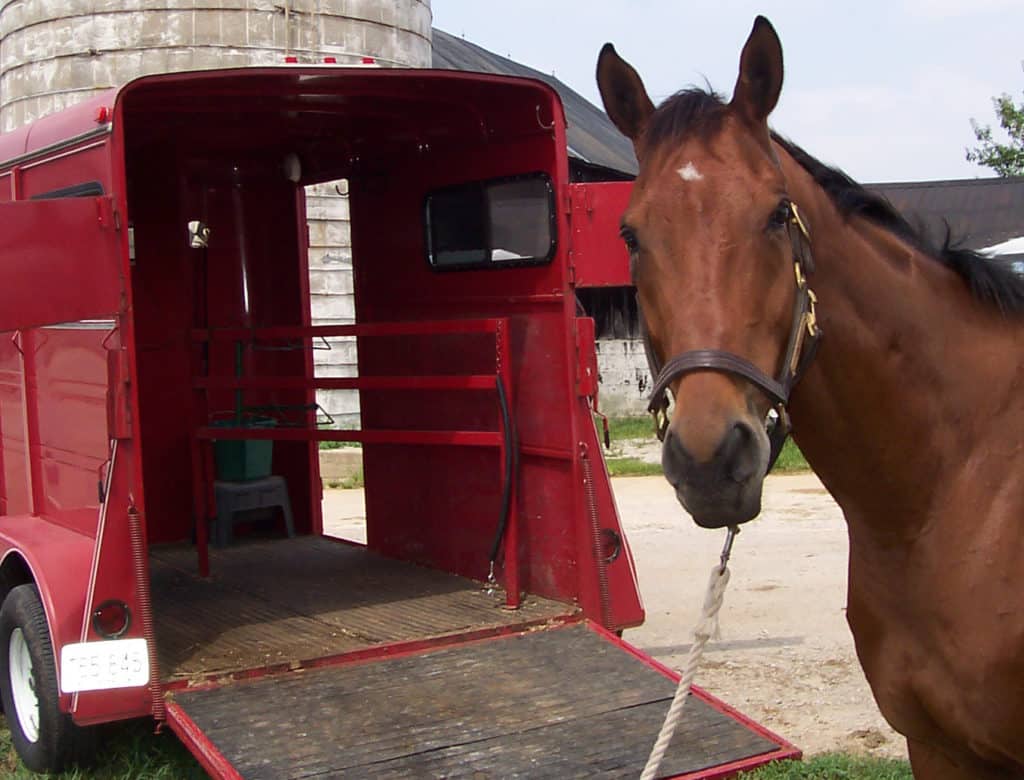
A reader asks for suggestions for teaching or encouraging her mare to pee before getting in the trailer, and if it’s possible to break the mare’s trailer-peeing habit. Read Dr. Sue McDonnell’s answer!
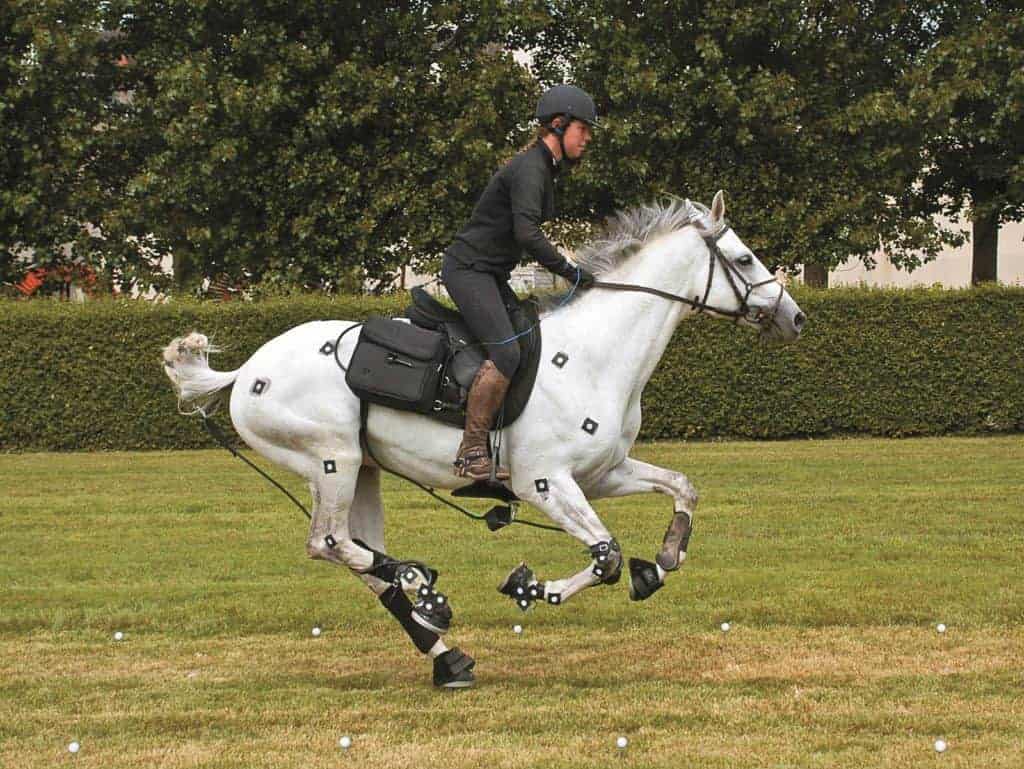
Through good research and communication, equitation science can continue to evolve in a positive manner with the goal of improving equine welfare and horse and rider interactions.

How will the horses that survived the San Luis Rey Downs Training Center fire respond to moving back to the facility? An equine behavior expert shares her insight.

Whips, spurs, and horse-head-control equipment can be misused by riders and misunderstood by spectators, both of which can have negative outcomes for horses and the industry alike.
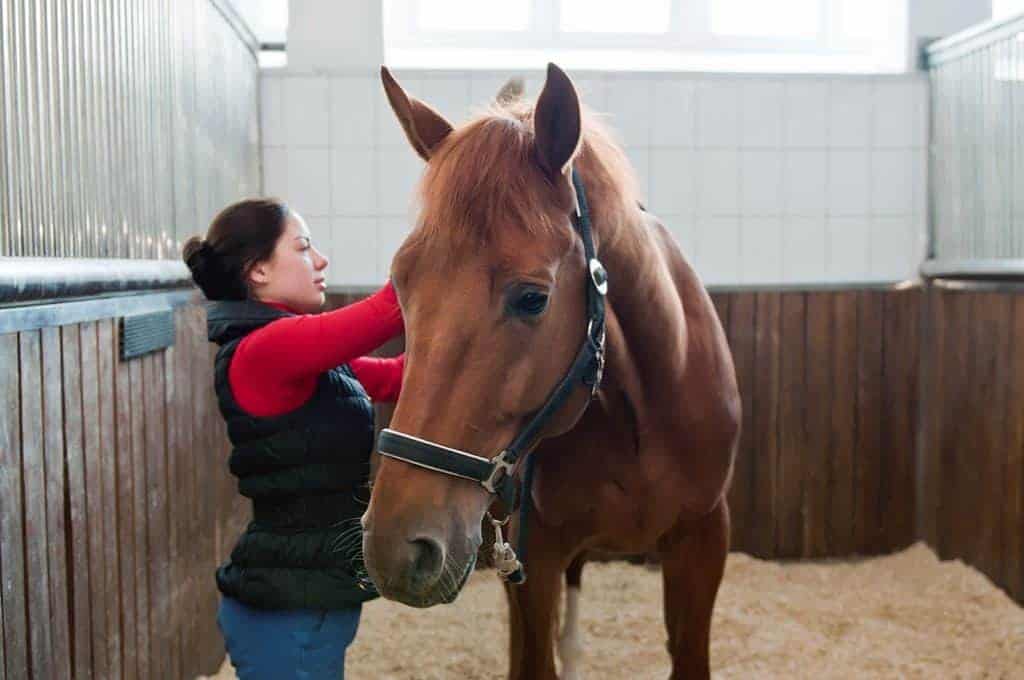
Researchers are still lacking reliable tools to understand what good equine welfare looks like from the horse’s point of view, but they’re making progress.

A reader wants to know about possible reasons behind a 14-year-old stallion’s seemingly unprovoked aggressive behavior.
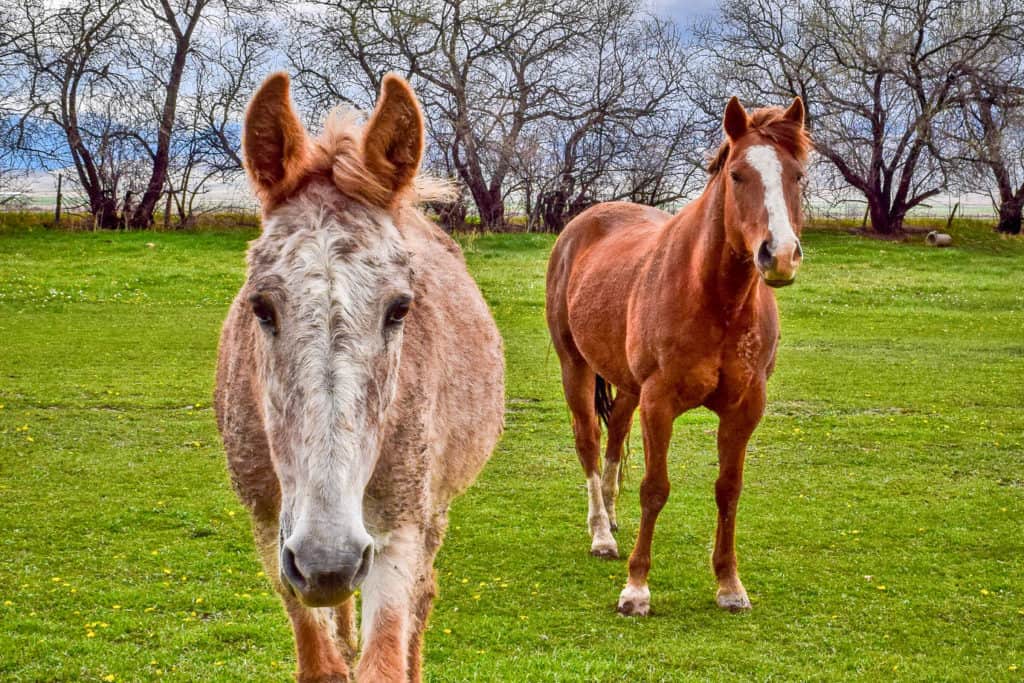
Mules are extremely quick learners. Here are a few things to remember when working with them.
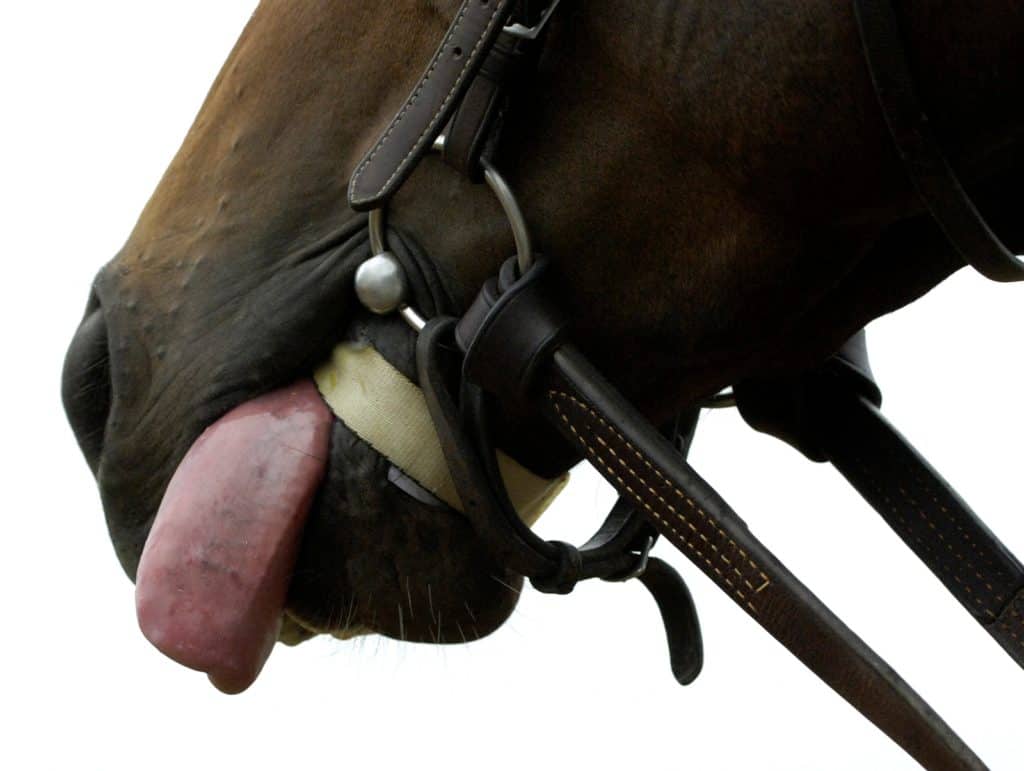
Tongue ties help some racehorses breathe better, but study results suggest they can also cause stress, even in horses that have been tied regularly in the past.
The ability to select Quarter Horse breeding stock for behavior traits might improve equine welfare and human safety, researchers said.