Preventing Problem Behaviors During Veterinary Procedures
Here’s how vets can carry out five common mildly aversive procedures using learning science and behavior modification techniques.

Here’s how vets can carry out five common mildly aversive procedures using learning science and behavior modification techniques.

Removing the ovaries won’t fix other issues, from static shock to bladder adhesions, that can make mares behave badly.
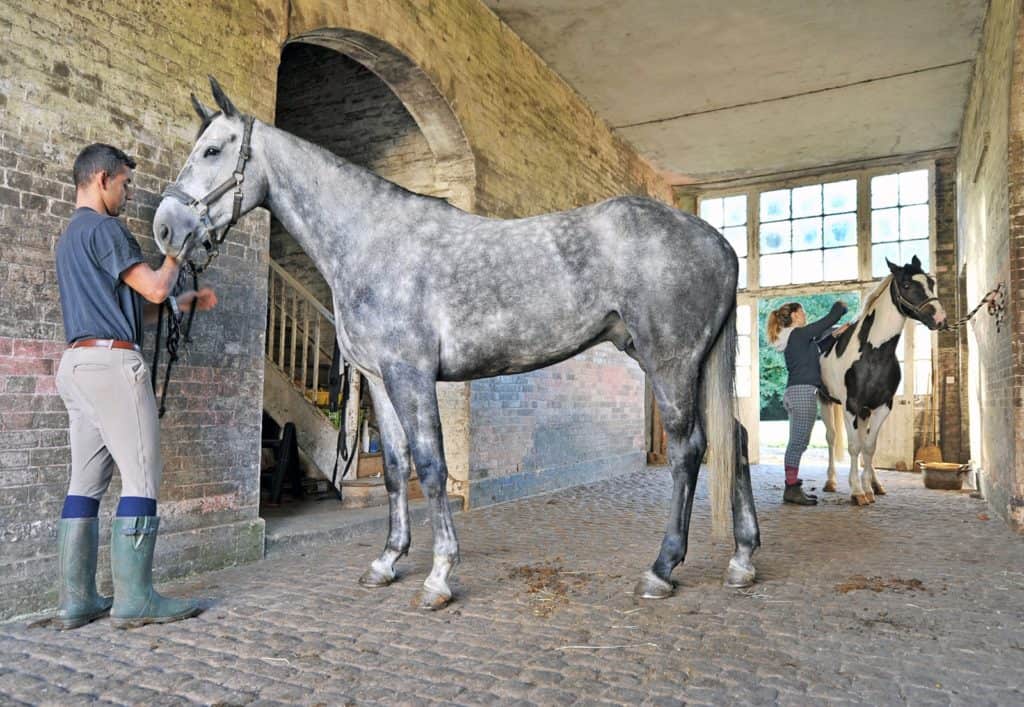
Researchers recently determined that horses appear more bothered by social isolation than mild pain.

A reader seeks advice for introducing a new companion to her horse after his pasturemate’s death.
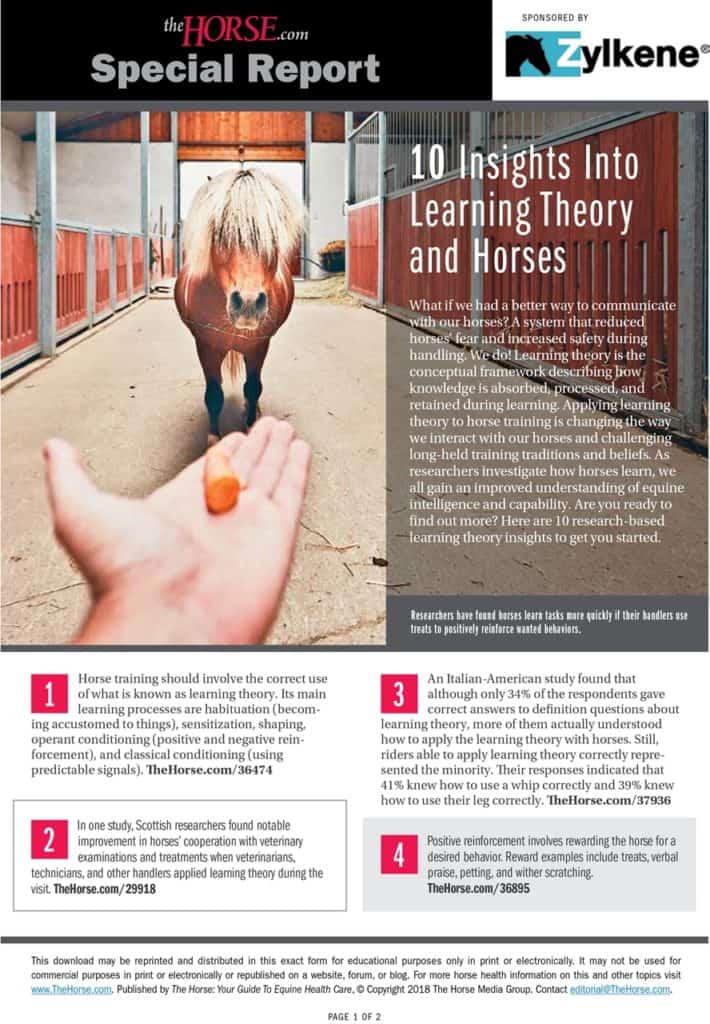
Do you want to learn how to better communicate with your horse? Check out these 10 research-based learning theory insights.
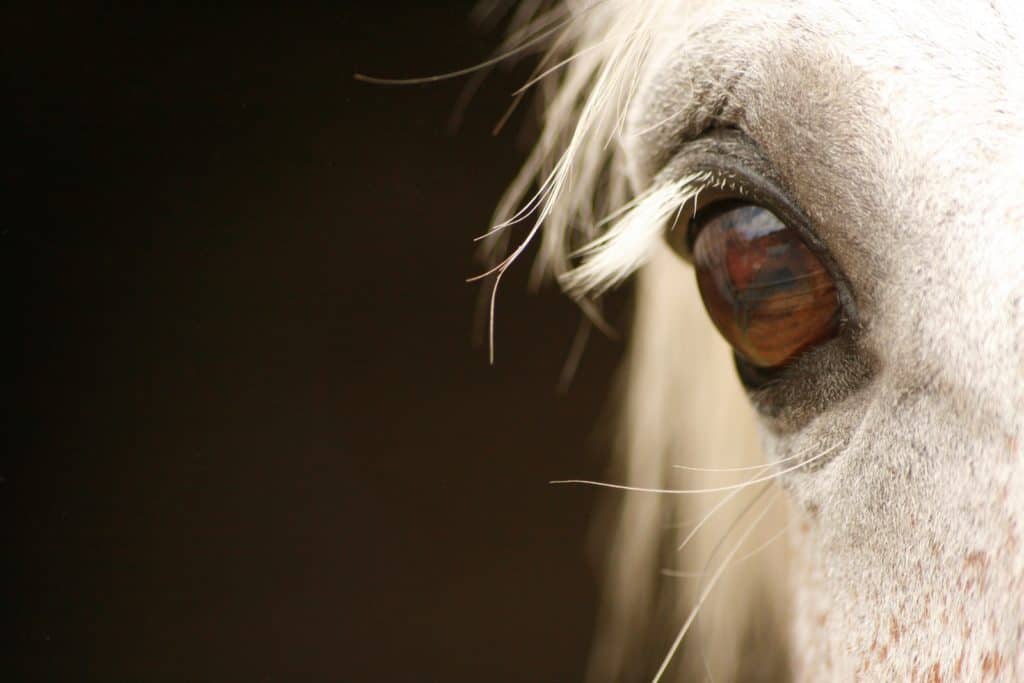
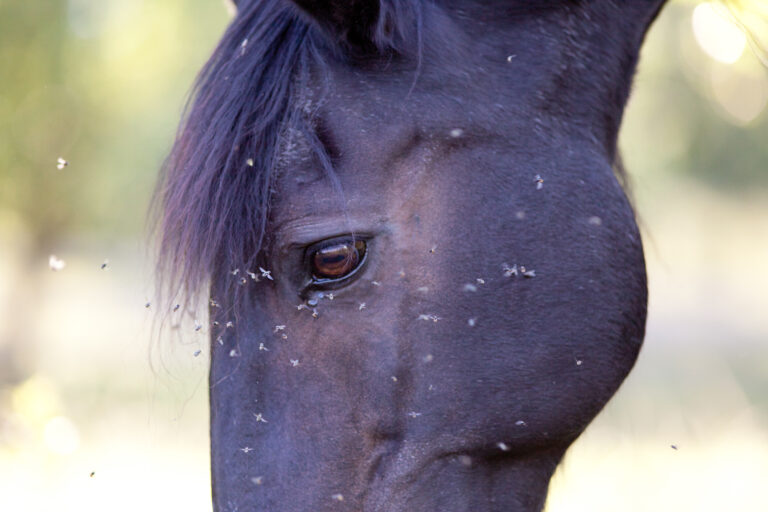
Full and half blinks decreased significantly during stressful situations, researchers found.

Learn about keeping OTTBs healthy and happy as they move into new disciplines. We’ll cover feeding, vet care, handling, and more!

How does a veterinary behaviorist know for sure something is or is not a psychological problem?
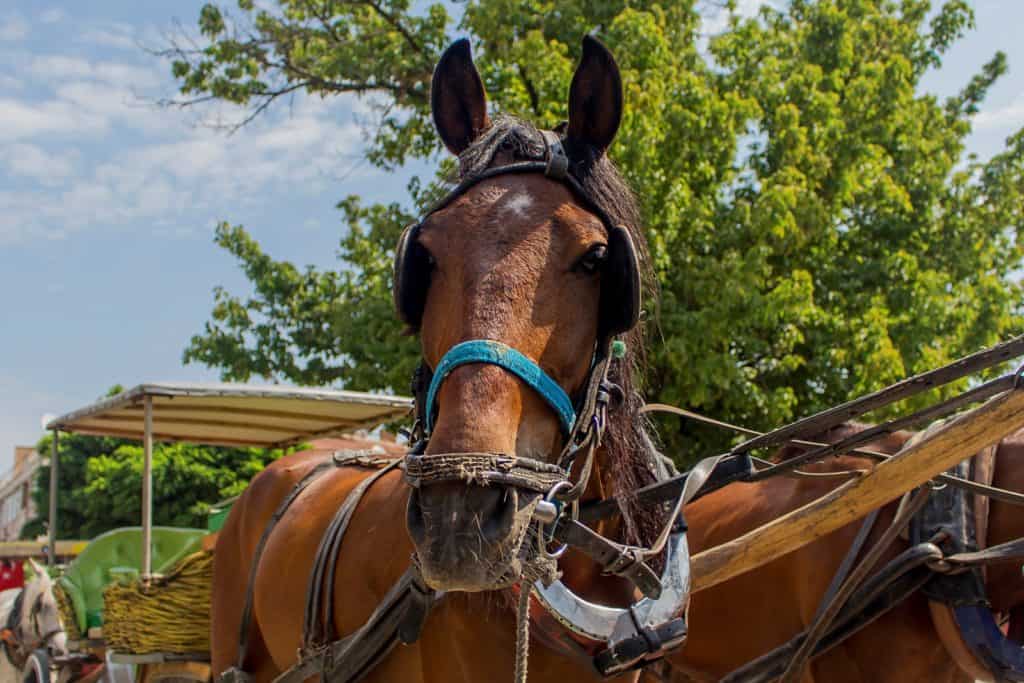
Researchers found that in Chile, the horses belonging to even the poorest individuals often led good and healthy lives.

Listen to audio features on equine learning, behavior, dentistry, metabolic syndrome, parasites, and more.
Find information on stress in horses, skin conditions, conditioning, metabolic syndrome, serum amyloid A, and more.

Larger paddocks led to fewer social interactions–both positive and negative–among horses, researchers found.

A five-step approach makes it easier for owners to remember which basic health and welfare aspects to assess.

Find videos on fear in horses, body condition scoring, hoof adaptability, sweet itch, and more.

Articles on laminitis, colic, hoof abscesses, licking and chewing, and wound care are among the most-read in 2017.
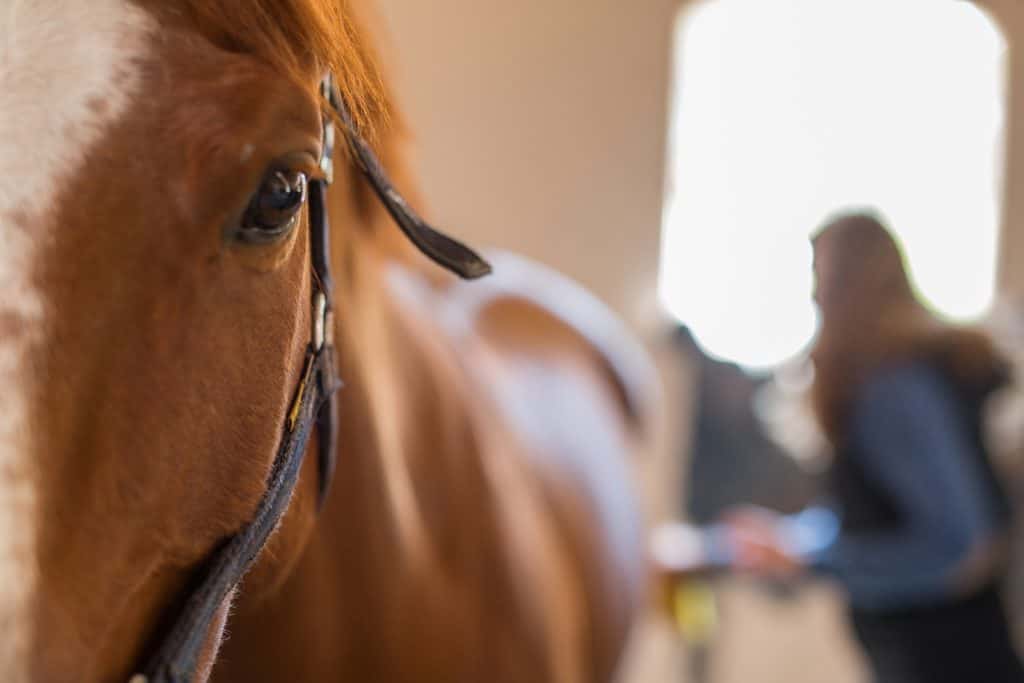
Understanding body language when working with equids can improve how we interact with and study them.