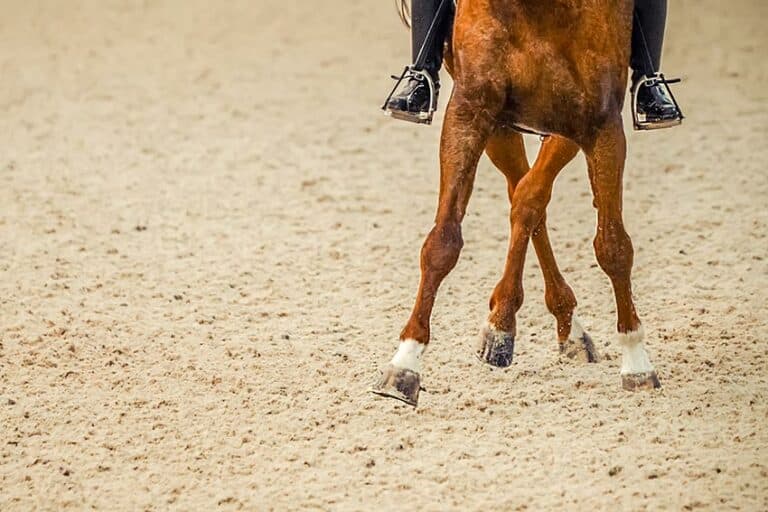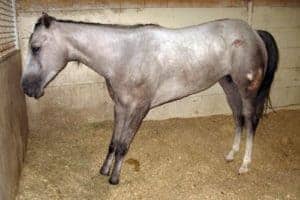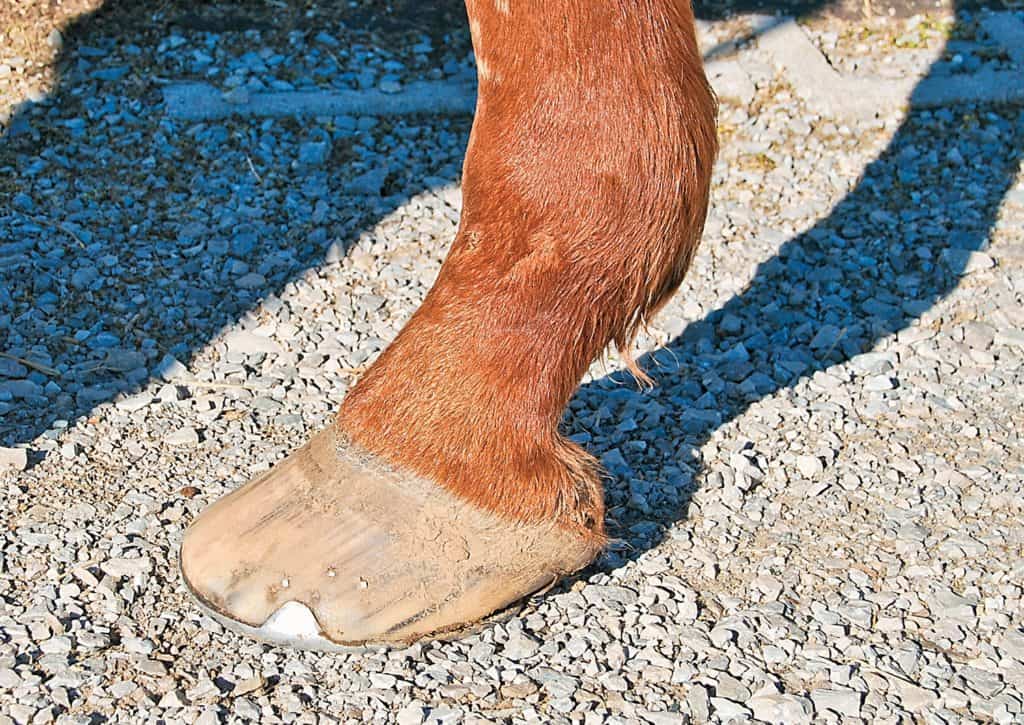
Long-Toe, Low-Heel Hooves: Let Them Grow Naturally?
Would a horse with long-toed, low-heeled conformation benefit from allowing their hooves to grow out naturally?

Would a horse with long-toed, low-heeled conformation benefit from allowing their hooves to grow out naturally?

Improved diagnostics and more promising treatments are putting many foot-sore horses back to work.
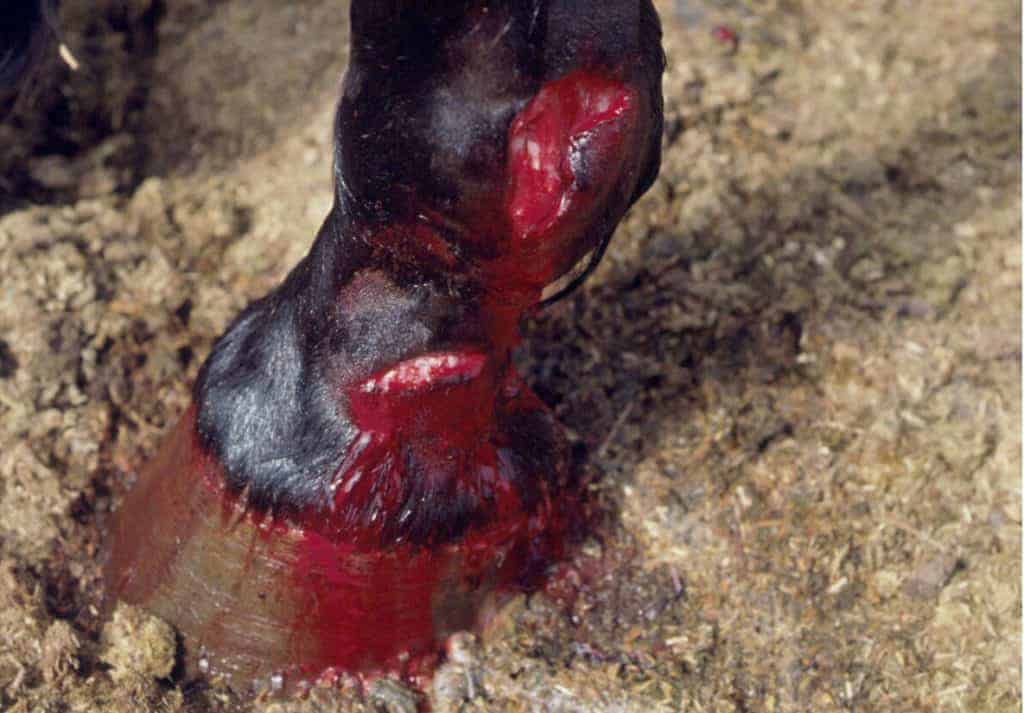
Knowing how and being prepared to triage serious wounds can help improve a patient’s likelihood for a good recovery.

Radiographic abnormalities don’t always result in diminished performance; however, many do. Here’s what to know.
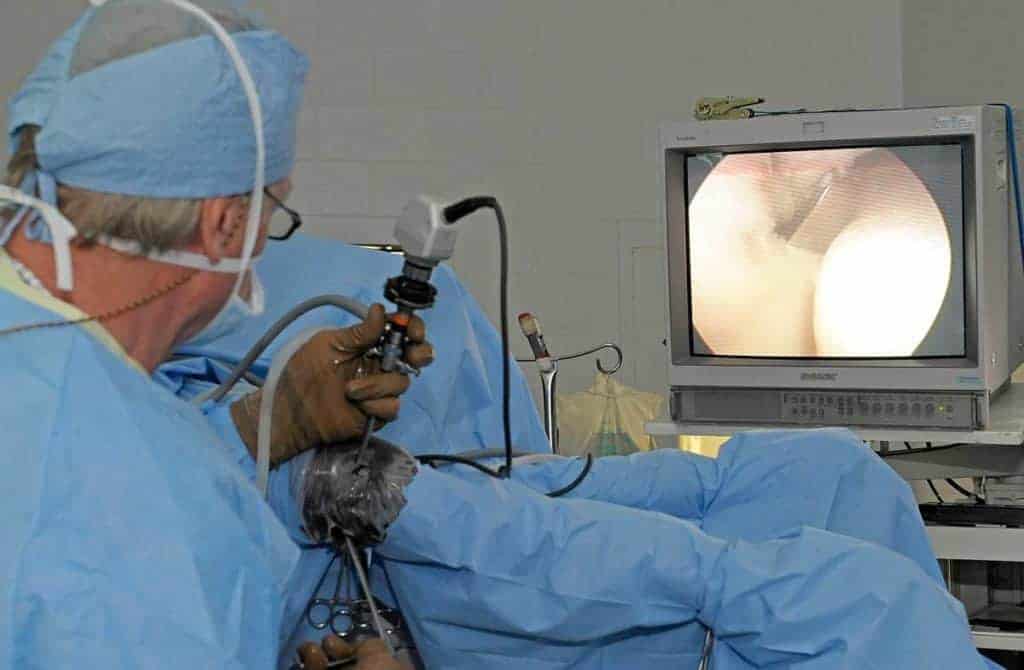
Bone chips can be a proper pain in the joint; learn where and why they happen and when they need to be removed.

Here’s how to get your performance horse back to the show ring safely and successfully after layup.

Researchers are always working to determine which deviations from the norm are performance-limiting.

Find out what kinds of skin parasites can cause scratches and how these pests respond to ivermectin treatment.
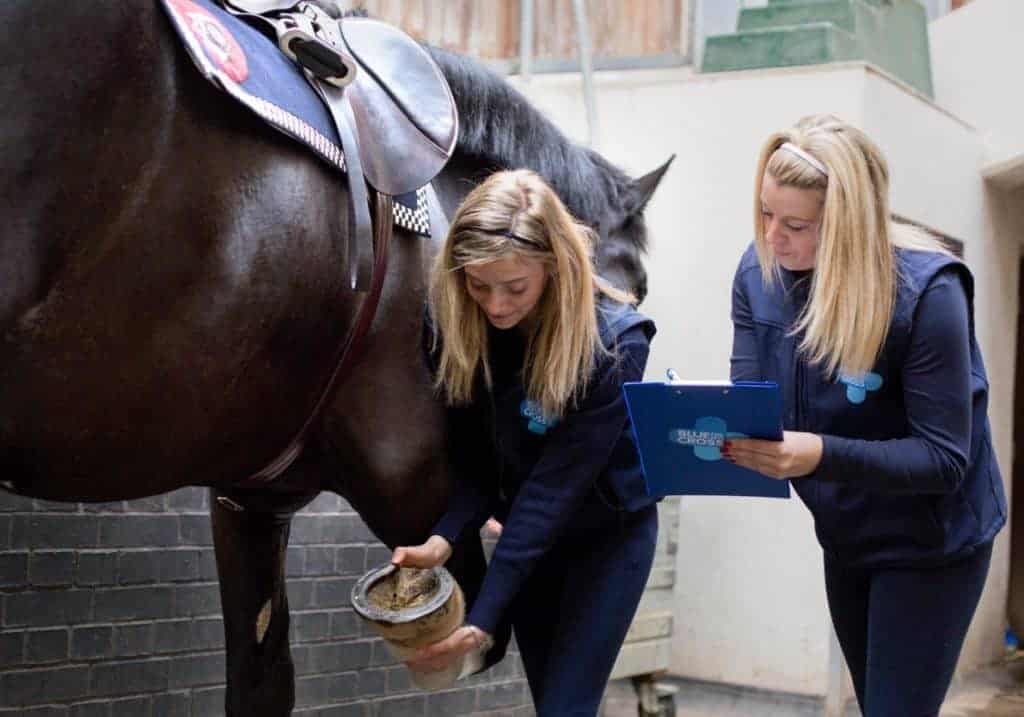
A British survey revealed that lameness is three times more likely to be caused by limb conditions than hoof problems.

Find out how to prevent groundhogs, voles, and other pests from leaving horse-limb-sized holes in your pastures.

Here’s how to prolong your arena footing’s lifespan and maintain a safe and functional riding surface.

Finite-element modeling is providing a more in-depth look at equine joint health under varying loading conditions.

Two equine surgeons shared their thoughts on rotational limb deformities, contracted carpal joints, club feet, and more.

Researchers say MRI might be useful as a screening test to identify racehorses at increased risk of fetlock fracture.
Topics will include lower-limb lameness, ophthalmology, ambulatory practice, and poor performance.