Understanding Scratches
Horses in excessively wet or muddy environments are at greater risk of getting scratches.

Horses in excessively wet or muddy environments are at greater risk of getting scratches.

Dr. Lisa Fortier shares her picks for the top equine surgery- and lameness-related studies of 2013.
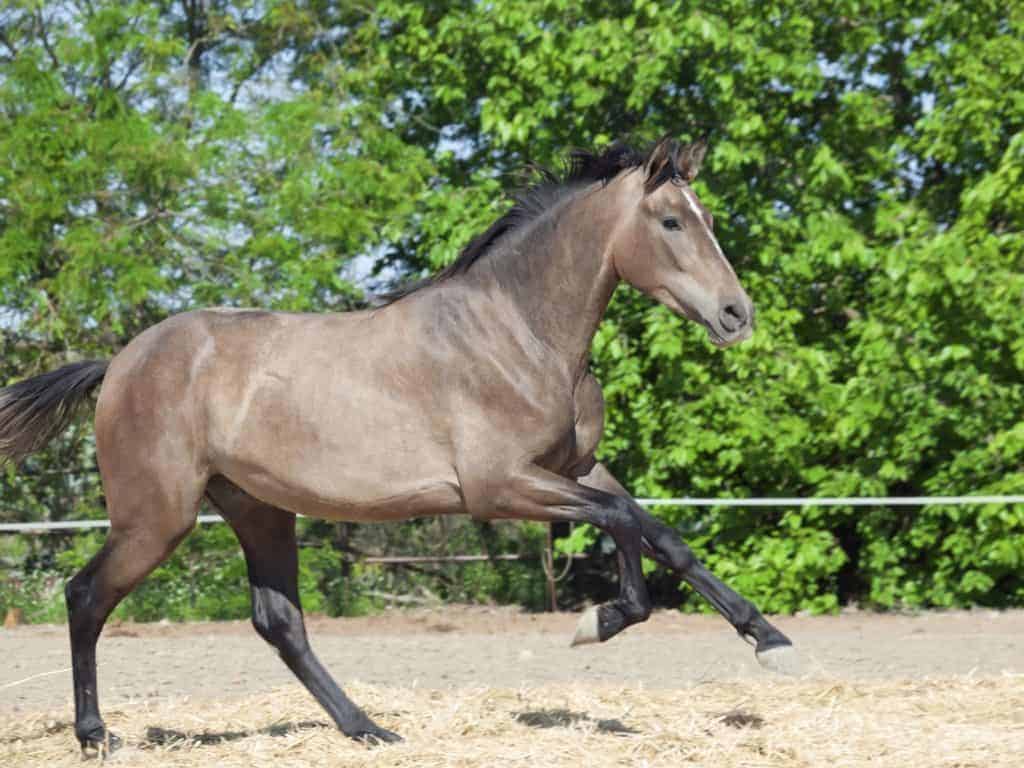
It’s time to take a step back and review the specialized structure and function of the equine body.

Researchers found that none of the evaluated bones showed significant shape changes after training and racing.

Learn about the splint bones, common problems, and treatments to alleviate those problems in horses.

Learn how veterinarians get to the bottom of lower-limb problems in the first of this two-part series.
A correct and early diagnosis can greatly expedite pastern dermatitis’ resolution.

Extracorporeal shock wave therapy could be a promising tool for treating equine lower limb wounds.

Research shows that various angles of the outer and inner hoof are linked to different kinds of lameness.

A single impact injury did not cause generalized osteoarthritis in the fetlock during the study period.
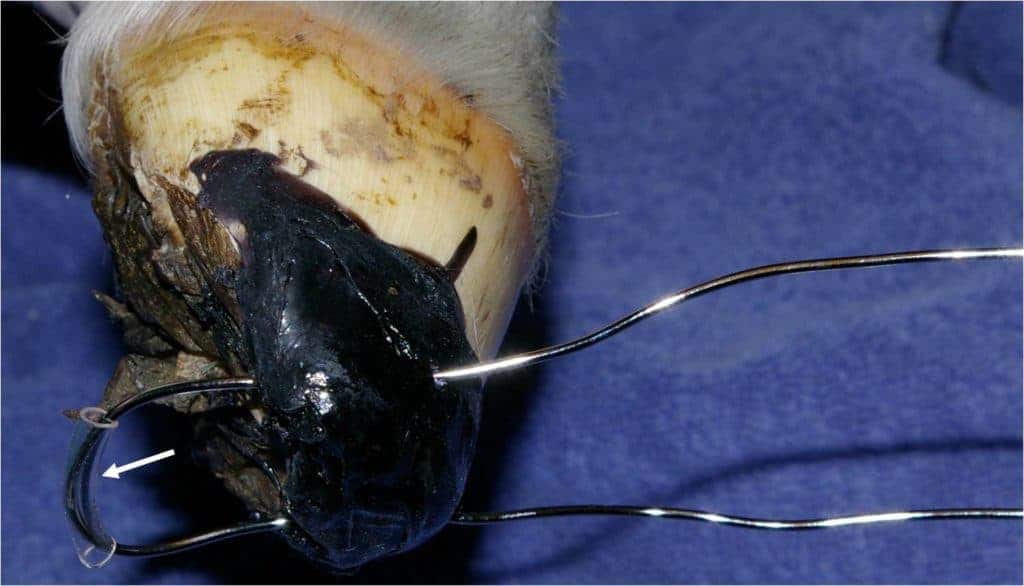
A novel treatment technique for correcting flexural deformities in foals showed promise in a recent study.

Nearly 50% of high-performance barrel racers evaluated showed radiographic changes in their fetlock joints.

One researcher described how to evaluate horses’ feet, legs, and gaits for potential soundness or lameness.

A Thoroughbred filly undergoes arthroscopic surgery to remove a bone chip from her left hind fetlock, increasing her chances of staying sound for horse racing. Dr. Chris Johnson of Woodford Equine Hospital in Versailles, Ky, explains the procedure.
Horses have traditionally been considered obligate four-legged animals; however, the dogma is changing.
Be it for racing, reining, or riding, a horse needs to be put together properly; but does a horse need to be put together perfectly?