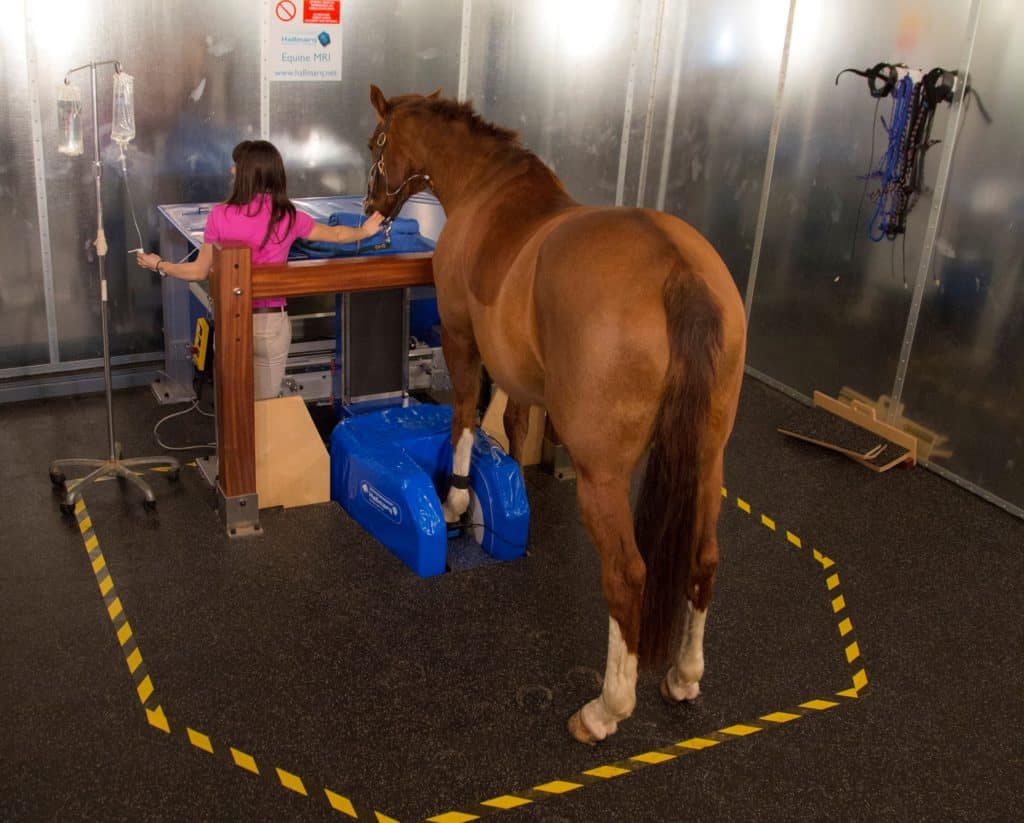
Low-Field MRI Useful for Assessing Sesamoidean Ligaments
Researchers found that standing MRI is effective for viewing the difficult-to-image ligaments in the horse’s lower legs.

Researchers found that standing MRI is effective for viewing the difficult-to-image ligaments in the horse’s lower legs.

Horses’ knees are prone to both congenital and acquired lameness problems. Here’s what you need to know.

The team tested how much pressure compression and standing wraps exert–and with what consistency–on horses’ legs.

Is it worth taking a chance on a horse with a “clubby” foot, and how can you manage one to keep him sound?

While small in size, Minis have the same health needs and risks as other breeds, as well as a number of unique issues.

Certain bisphosphonates are approved for treating navicular syndrome in horses. Learn about these drugs originally used to treat osteoporosis in humans.

A veterinary dermatologist offers tips on how to properly diagnose, treat, and prevent pastern dermatitis, or scratches.

Infected joints can be scary and cause stress, but early aggressive treatment offers the best chance for full recovery.

From feeding to vaccines and colic to lameness, here are some basic resources to get the new horse owner started.

Horses with chronic laminitis should be closely monitored during treatment and recovery. Here’s what to consider.

Gait analysis applications on a smartphone can give reliable data to help detect hind limb lameness issues in horses.

A look at three of the most common tendon and ligament injuries in horses and how to treat them.
Tweets and take-homes from the equine lameness and colic sessions at the 2016 Western Veterinary Conference.
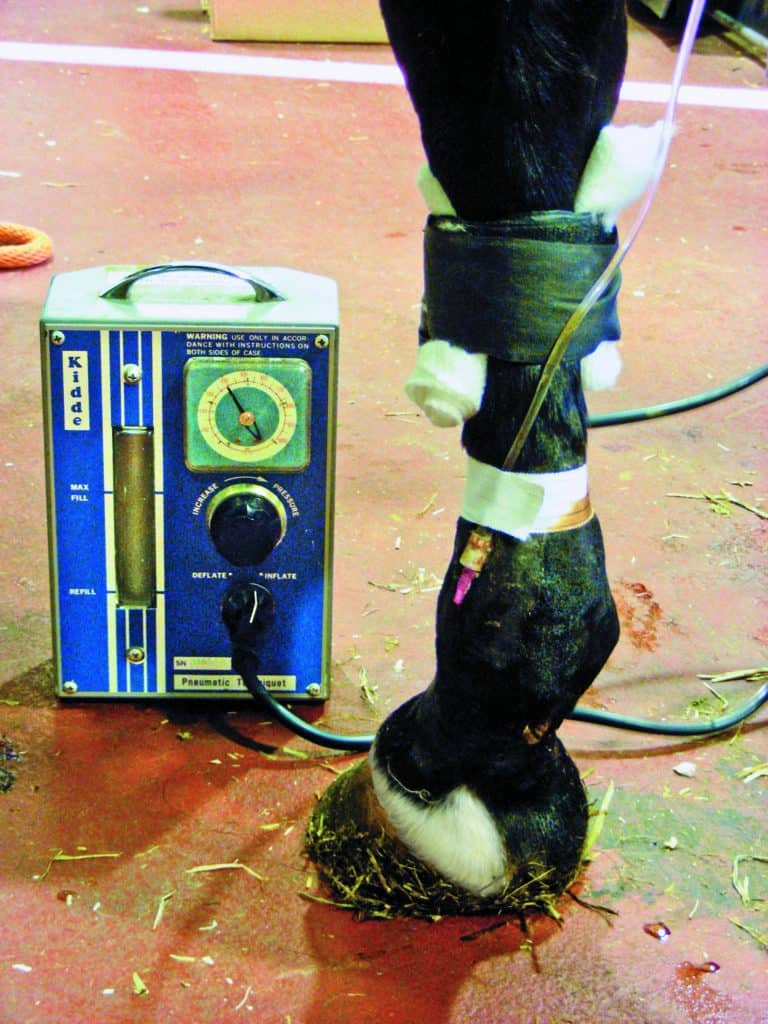
Vets can use amikacin and mepivacaine to safely and effectively treat lower limb injuries in standing, sedated horses.

Ultrasound and x ray exams can help identify horses potentially at-risk for injury so they can be managed appropriately.
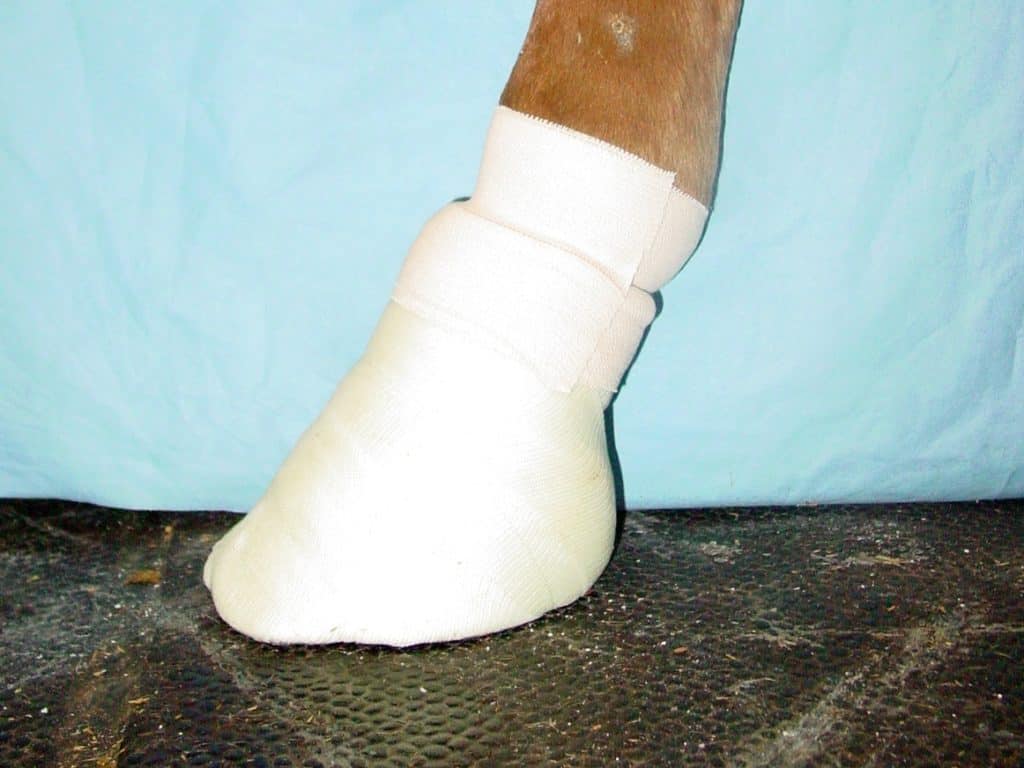
Hoof casts immobilize joints, maintain the hoof-pastern axis, reduce the need for frequent bandage changes, and more.