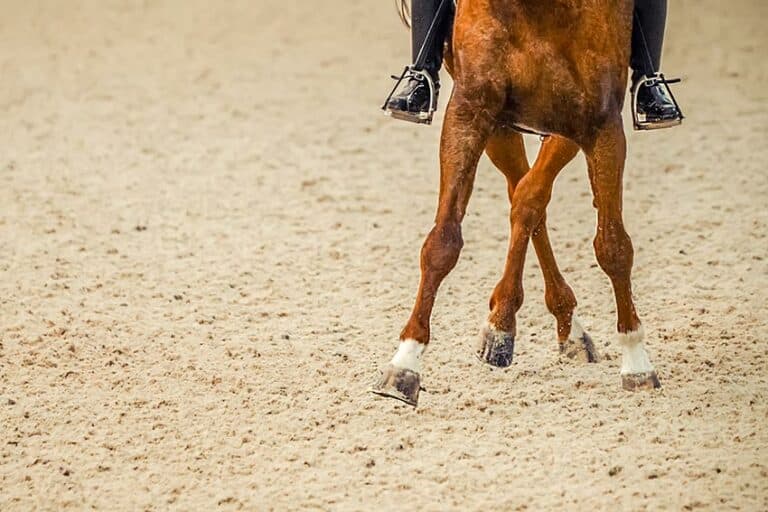
Study: One Toe is Better Than Multiple Toes for Horses
A single-toe format “outweighed the costs” of multiple-toe formats as horses gained body mass and grew longer legs.

A single-toe format “outweighed the costs” of multiple-toe formats as horses gained body mass and grew longer legs.

The more data vets have on the injuries Western horses experience, the more they can do to try to rehabilitate or prevent them, one practitioner says.

The prognosis for performance soundness in nonracing horses diagnosed with sagittal groove injury and concurrent osteoarthritis is poor, researchers found.

Seasoned sport horses often need a little extra TLC to continue performing well into middle age.
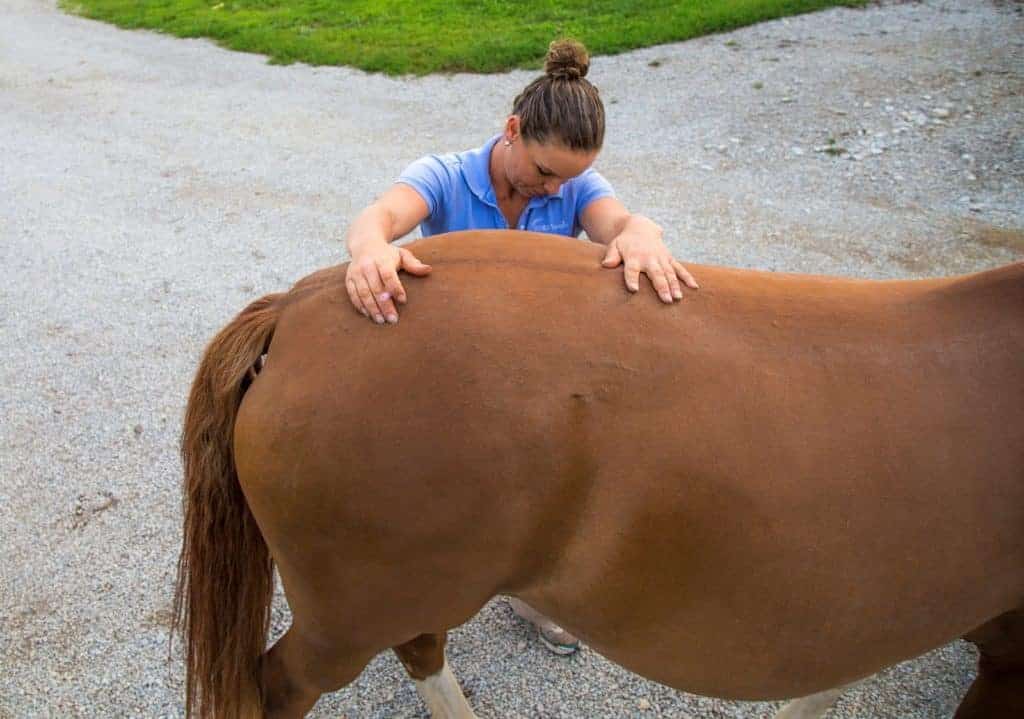
Instead of causing foot pain directly, rear hoof imbalances seem to cause more problems higher up the leg—to the hocks, stifles, glutes, and sacroiliac joint, one vet says.

Ultrasound is a useful screening tool for assessing some deep digital flexor tendon lesions, but it could cause veterinarians to underestimate navicular bursa and collateral sesamoidean ligament lesions.
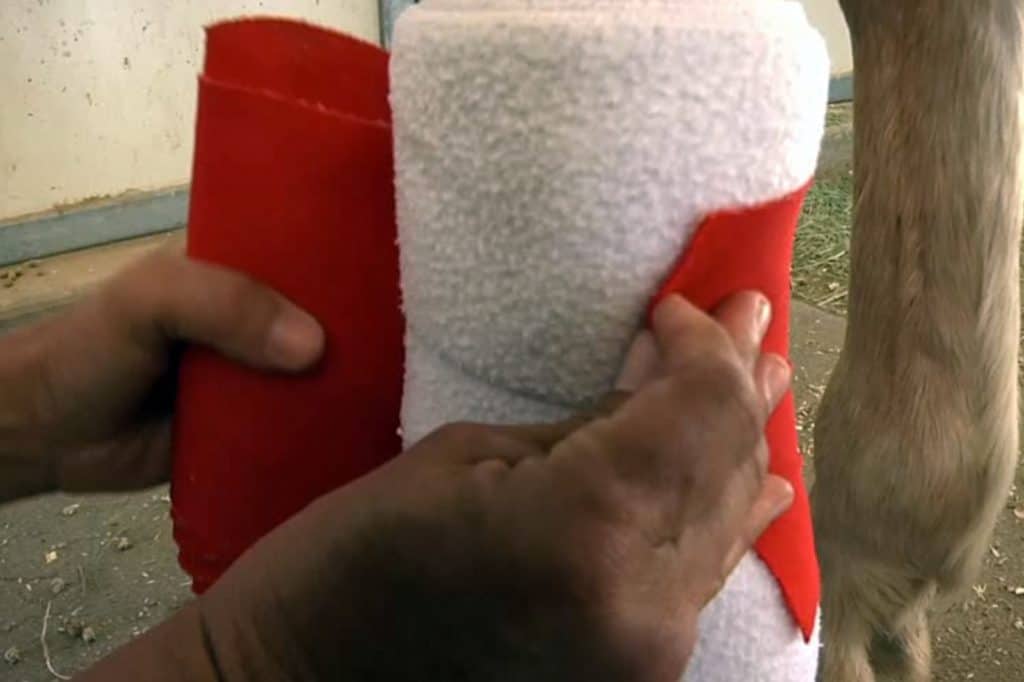
Becky Rodrigues explains when and how to use standing wraps on your horse’s legs.

A 15-minute tourniquet application was sufficient to achieve peak synovial amicacin concentrations in the coffin joint.

Learn about keeping OTTBs healthy and happy as they move into new disciplines. We’ll cover feeding, vet care, handling, and more!

Drs. Torri Maxwell and Duncan Peters offer insight into the role pharmaceuticals can play in managing navicular pain.

Find reports and forms on horse identification, scratches, supplements, harmonious housing, senior horses, and more.

Dr. Torri Maxwell explains how the soft-tissue structures play a role in navicular-related lameness.

Dr. Duncan Peters talks about lameness and behaviors that could indicate a horse is experiencing navicular issues.

Learn about diagnosis and management of navicular horses.

This recurrent limb infection and swelling is challenging to treat. Here’s what you need to know.

A poorly applied bandage can cause as many problems as a well-applied wrap can prevent. Remember the following.