AAEP Kester News Hour: Highlights in Equine Genetics and Neck Lesions
During the 2024 AAEP Kester News Hour experts shared new research on equine genetics, atrial fibrillation detection, neck pain, and updated EHV guidelines.

During the 2024 AAEP Kester News Hour experts shared new research on equine genetics, atrial fibrillation detection, neck pain, and updated EHV guidelines.

Find out how veterinarians diagnose and treat this complex condition.

Address the condition’s primary, predisposing, and perpetuating causative factors for a successful outcome.

Read about how one veterinarian treated a particularly challenging case of the equine skin condition commonly known as scratches.

Researchers now understand how 7 types of shoeing combinations affect movement in each area of the horse’s neck and back.

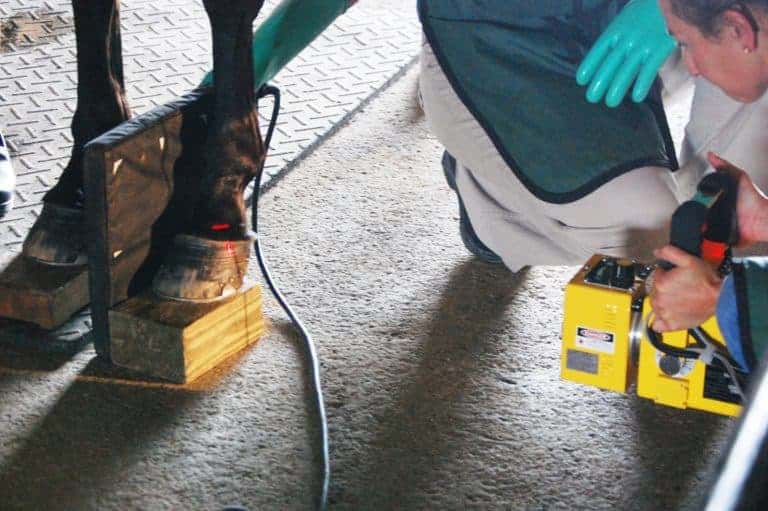
Owner-provided information and a thorough lameness examination can help veterinarians start meaningful investigations into front foot lamenesses.

An equine nutrition expert addresses toplines, horse protein needs, and if whey is the way to go.

Even with better diagnostics and treatments, hands-on exams and movement assessments remain essential for finding the source of back pain in horses.

Learn about the technique and timing of this mainstay in conservative management of equine leg injuries.

Osteoarthritis might not be completely avoidable as a horse ages, but early diagnosis and conscientious care can slow its advance and minimize pain.
Researchers recently described the appearance of normal and injured equine patellar ligaments on stifle ultrasound, which had not been previously reported.

Here’s how one veterinarian localizes lameness to the horse’s stifle, treats stifle injuries, and performs surgery when necessary.

Proper shoeing aligns with a horse’s conformation and job, enhancing natural abilities with minimal interference.

Ah, the age-old question: When managing horse wounds, should you wrap them or let them “air out”? Researchers are working to determine whether bandaging is the best option and in what circumstances.

Learn how and why this approach is a cornerstone in the treatment of dorsal spinous process impingement.

Two veterinarians explain why horses develop hunter’s bumps and how to treat them.