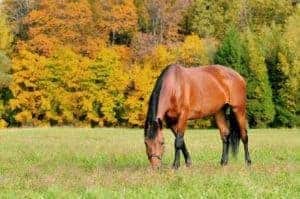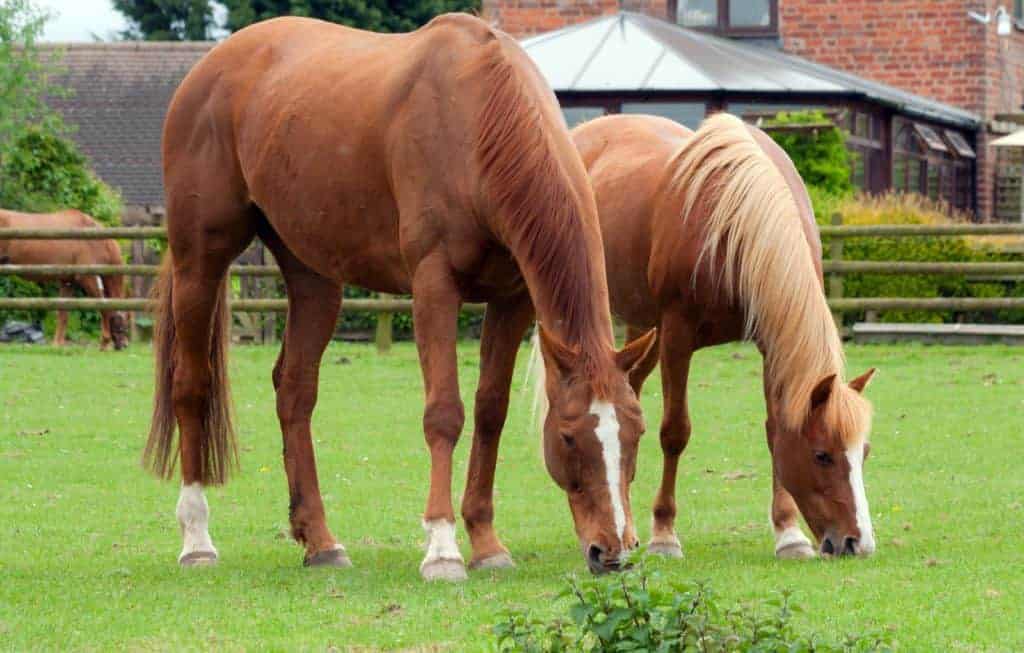
Gut Microbes Don’t Differ Significantly Between Horse Breeds
Researchers investigated whether microbiome composition could be breed-specific and, therefore, influence horse health and behavior.

Researchers investigated whether microbiome composition could be breed-specific and, therefore, influence horse health and behavior.

The stall is designed to keep horses and caretakers safe during treatment for neurologic conditions and diseases.

With the cold weather almost upon us, we must take into account several important considerations for preparing and maintaining older horses throughout winter.

What might cause a young male donkey to suddenly split from the herd? An equine behaviorist offers insight.

This newest case of equine herpesvirus myeloencephalopathy in California is reportedly not related to the four horses recently confirmed in Shasta and Sonoma counties. Sixty additional horses were exposed.

The attending veterinarian reports two additional horses were exposed.

For the first time, Australian researchers have confirmed 15 cases of chlamydial respiratory infection in neonatal foals. Scientists had previously only detected the bacterium in a few adult horses.

If developed, an economical and relatively easy-to-perform stallside test could help veterinarians better identify asthmatic horses and provide an alternative to bronchoalveolar lavage.

The disease has affected 27 horses in 13 Michigan counties in 2019.

While it can be unsettling to think about all the possible scenarios, planning before colic happens could save your horse’s life.

Colorado and Wyoming have newly confirmed positive and suspect premises.

The affected horses resided in Dallas and Kaufman counties.
Guttural pouch mycosis (GPM) is a potentially life-threatening disease that may initially present as a simple nosebleed (epistaxis) or even poor performance in an equine athlete.
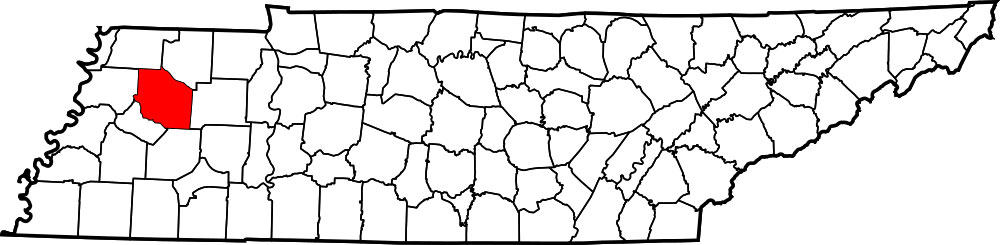
All other horses on the premises received preventive vaccination after the diagnosis.

The Utah Department of Agriculture and Food has enacted an official quarantine.

Equine coronavirus is a relatively new discovery in equine medicine. Here’s what you need to know about this pathogen.