Large Strongyle S. vulgaris Still a Risk for U.S. Horses
While largely considered eradicated in domestic horses, researchers found that most feral horses tested positive for the internal parasite.

While largely considered eradicated in domestic horses, researchers found that most feral horses tested positive for the internal parasite.

All five horses, from three widespread counties, were unvaccinated.
Sixty-day retest of exposed horses yielded negative results.

The affected horse is Portage County’s second equine EEE case of the year.

Affected horses resided in northeast Florida (Clay and St. Johns counties) and central-west Florida (Citrus County).

French researchers found horses with simulated C6-C7 nerve compression had shortened strides, tightened gaits, and a general lack of shoulder tone.

NYSDAM instituted an official quarantine after a gelding exhibited neurologic signs due to equine herpesvirus.

This is the state’s fifth equine West Nile virus and 27th EEE case of the year.

Mosquito abatement continues in an effort to stem the potentially fatal diseases in both humans and animals.

While copper, zinc, iron, and selenium get a lot of attention in equine diets, manganese, iodine, and cobalt are also important for horse health.

Horses in eight counties are reportedly affected.

The affected horse is Sacramento County’s first case of the year.

CDFA recommends vigilance for potentially exposed horses.

As autumn approaches, consider whether you need to make changes to your horse’s diet in preparation for winter.
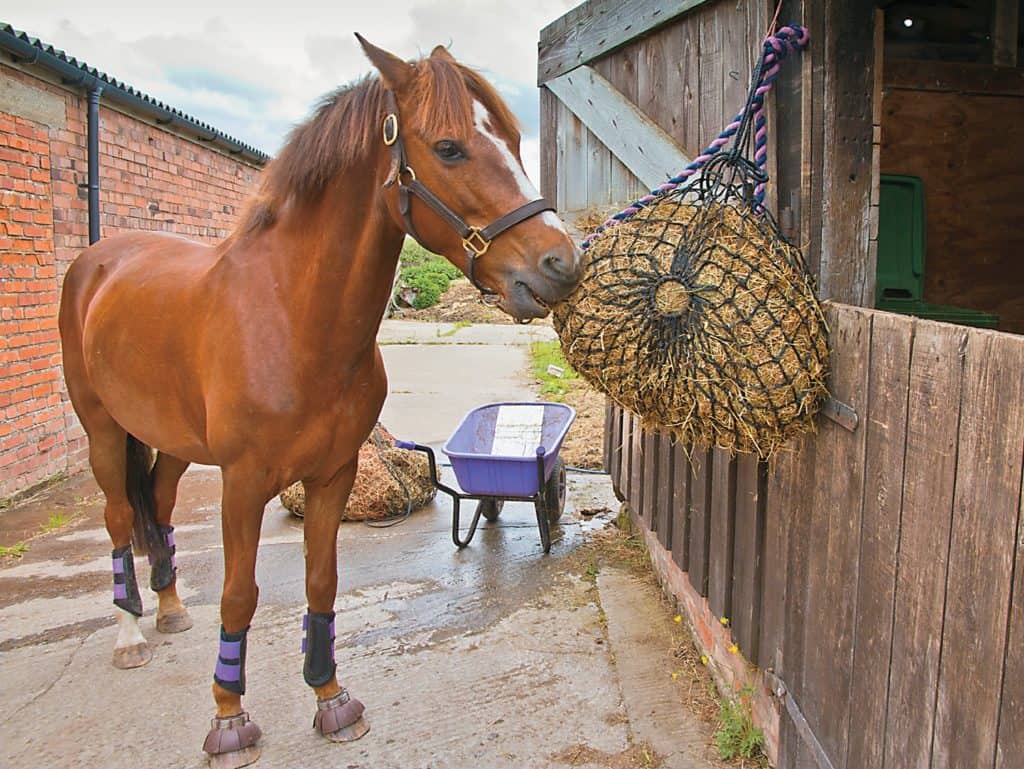
Horses with conditions such as muscle or metabolic disease might have special hay needs to stay healthy.

Researchers found that horses can teach themselves to open a variety of locks and latches.