Mineral of the Month: Phosphorus
Phosphorus is the second most abundant mineral in the horse’s body; about 80% of it is found in horses’ teeth and skeleton.

Phosphorus is the second most abundant mineral in the horse’s body; about 80% of it is found in horses’ teeth and skeleton.

Working with your veterinarian, farrier, and trainer and considering your horse’s physical, mental, and social needs will help you make the best decision for when and how you should transition him to a more leisurely lifestyle.

Researchers are working to better understand production and feed losses, how and when owners evacuate their animals, and how perceived wildfire risk affects the costs and availability of fire insurance.

In the first of this two-part series, we’ll explore full-body rehabilitation options, from the horse’s head to tail.
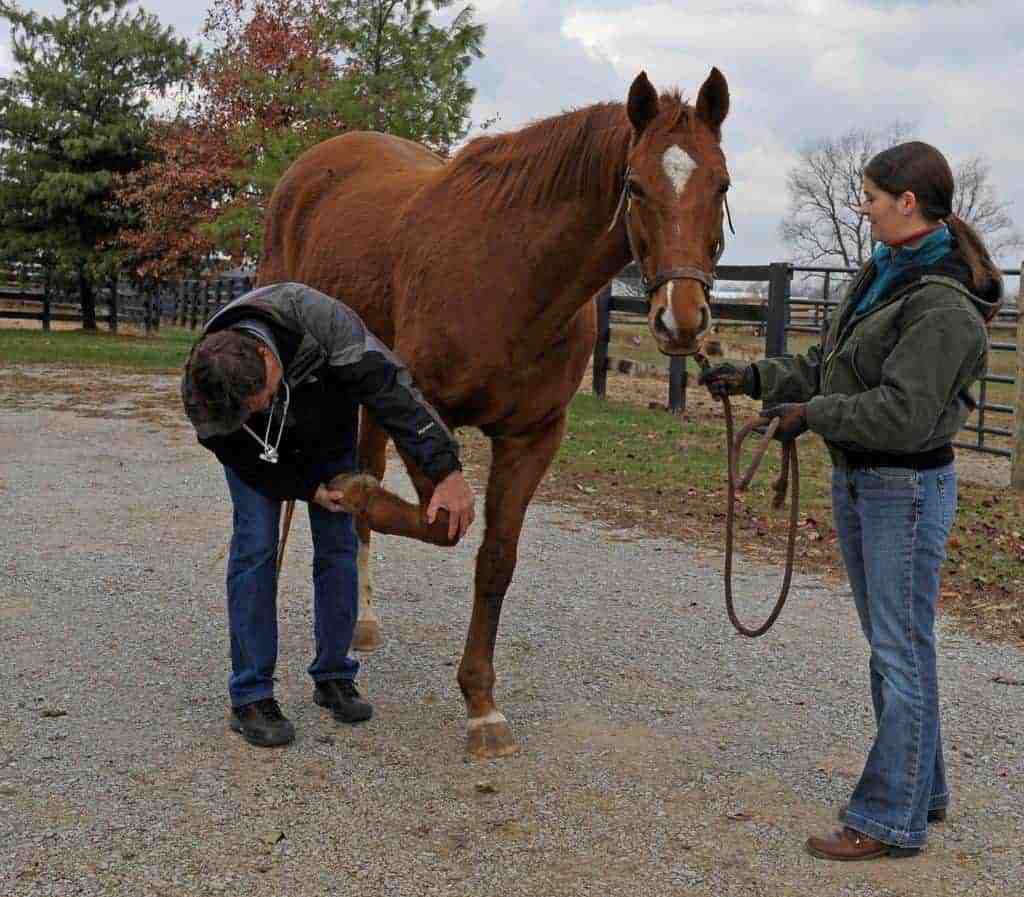
A vet weighs in on what might cause a well-conformed senior mare to become over at the knee and fall during a ride.
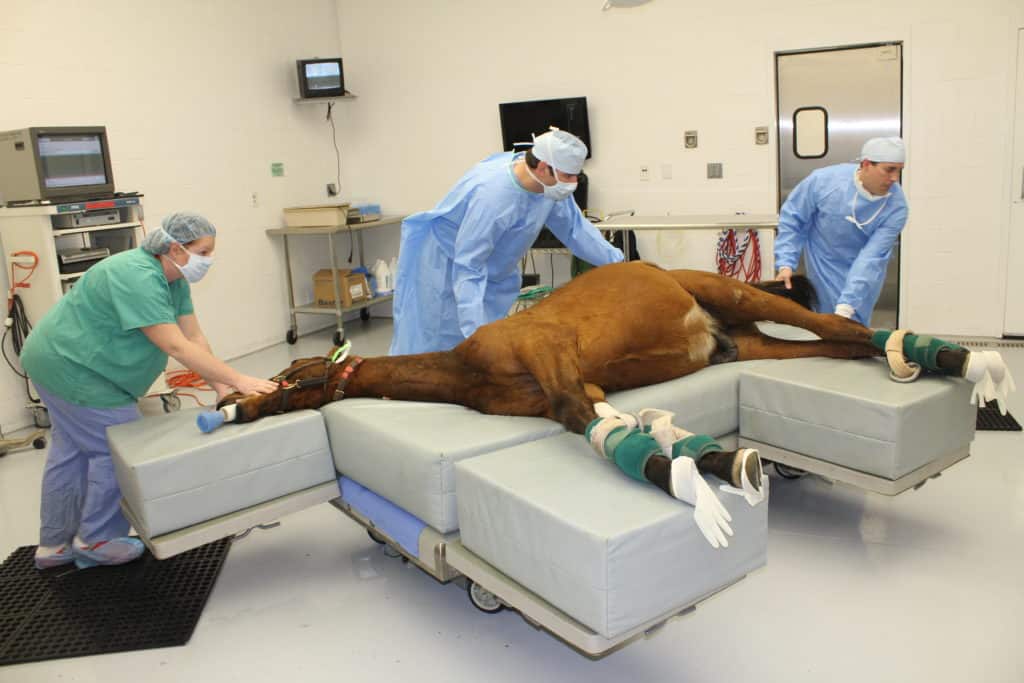
Irish scientists recently tested a new OCD repair method that’s based on the idea of replacing the damaged tissue with healthy tissue.

Are breathing issues slowing your horse down? Here are some surgical and management options that might help.

Look for equine respiratory health content during Respiratory Care Awareness Week, which takes place October 22-26, 2018.

Find out how long it takes for a horse to be protected from disease after vaccination. Dr. Elizabeth Davis explains.
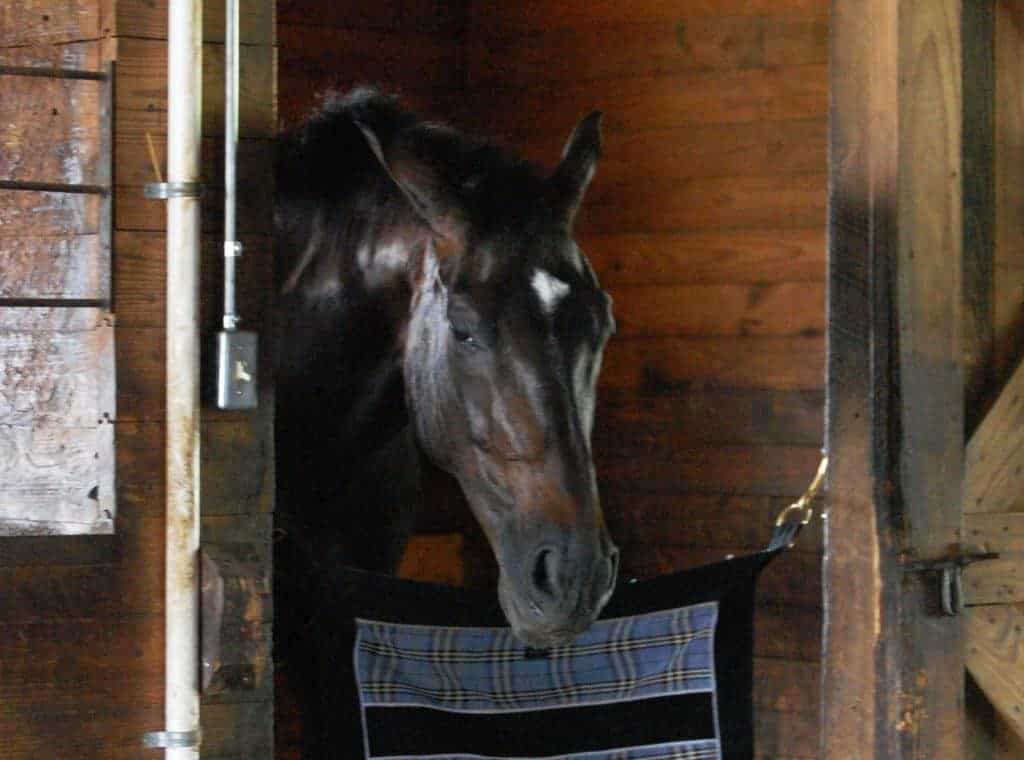
Find out from Dr. Elizabeth Davis how vaccines prime the immune system and why some horses might still get sick.
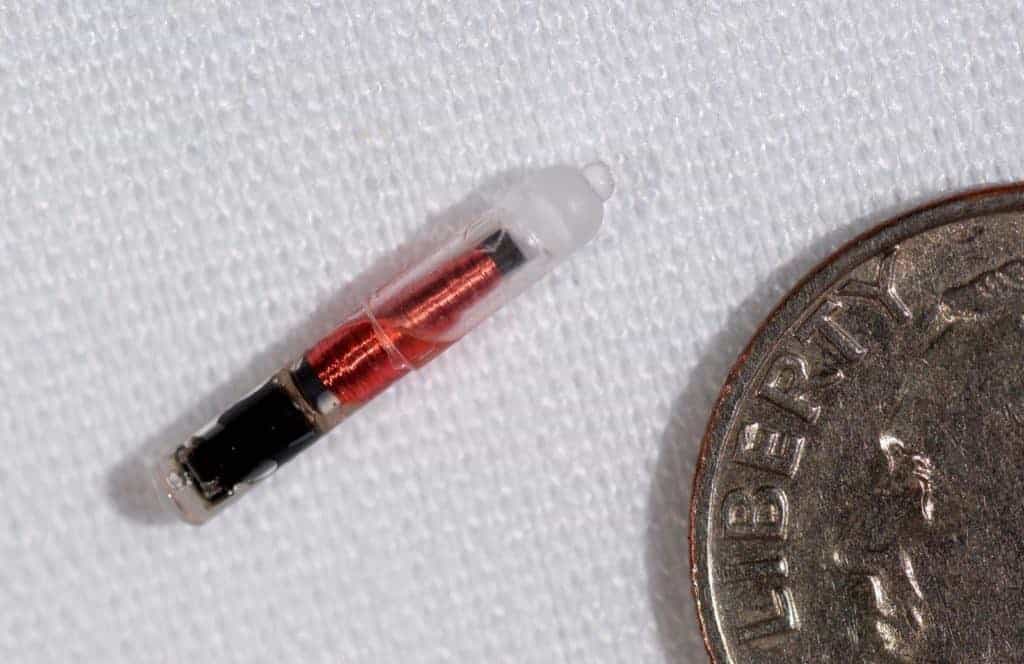
The new equine microchip look-up tool will allow horse owners, law enforcement, animal health officials, and others to search for association affiliation for horses that have been microchipped and registered with a participating organization.

While some species develop a local immune response, sending special protective cells to the uterus itself, mares don’t, researchers learned recently. Rather, they appear to send those cells elsewhere as soon as semen enters the uterus. Where they go, nobody knows (yet).

Get an early look at the American Association of Equine Practitioners’ 64th Annual Convention in San Francisco, California.
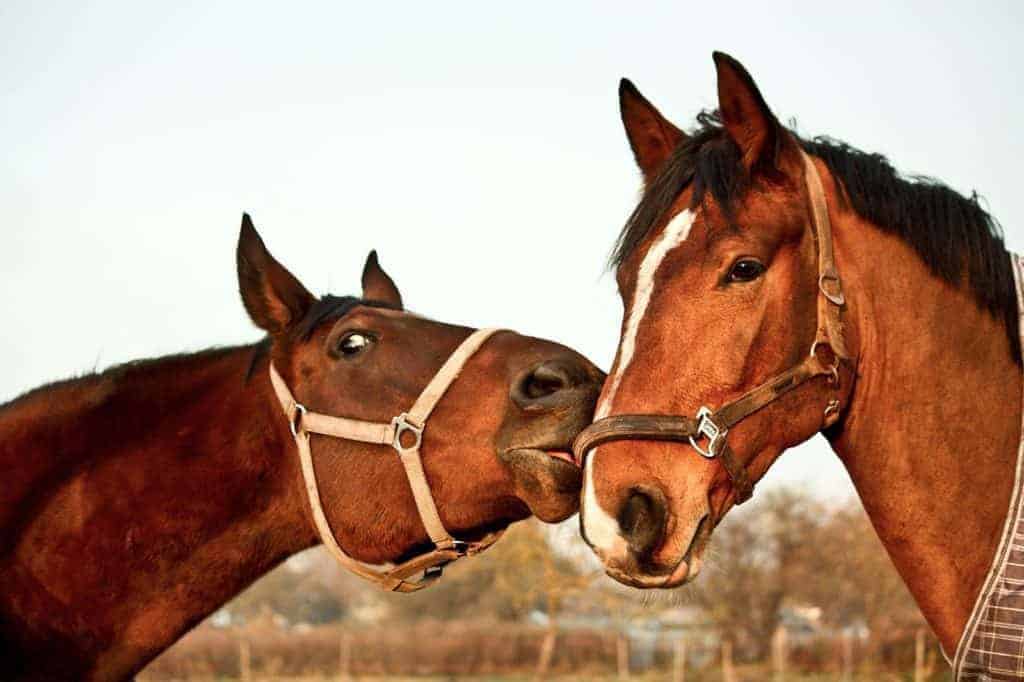
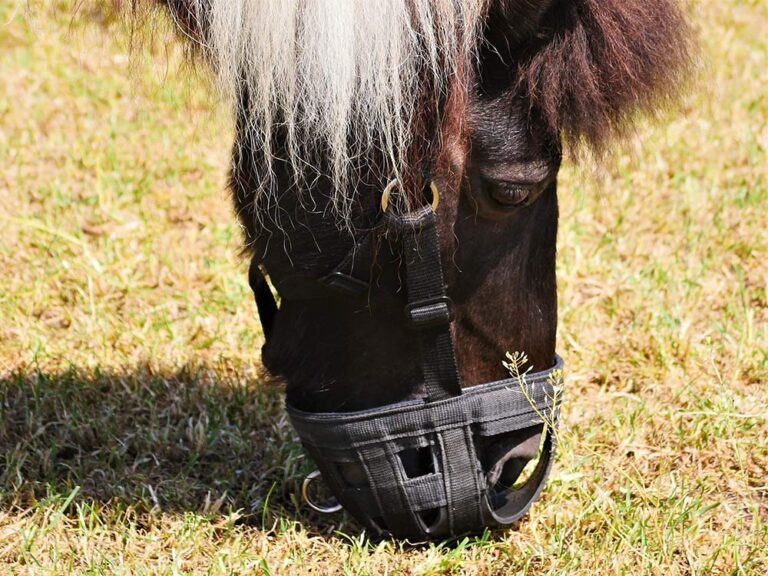
How can I make my horse a less attractive target for his pasturemate, who likes to tug at halters and fly masks?
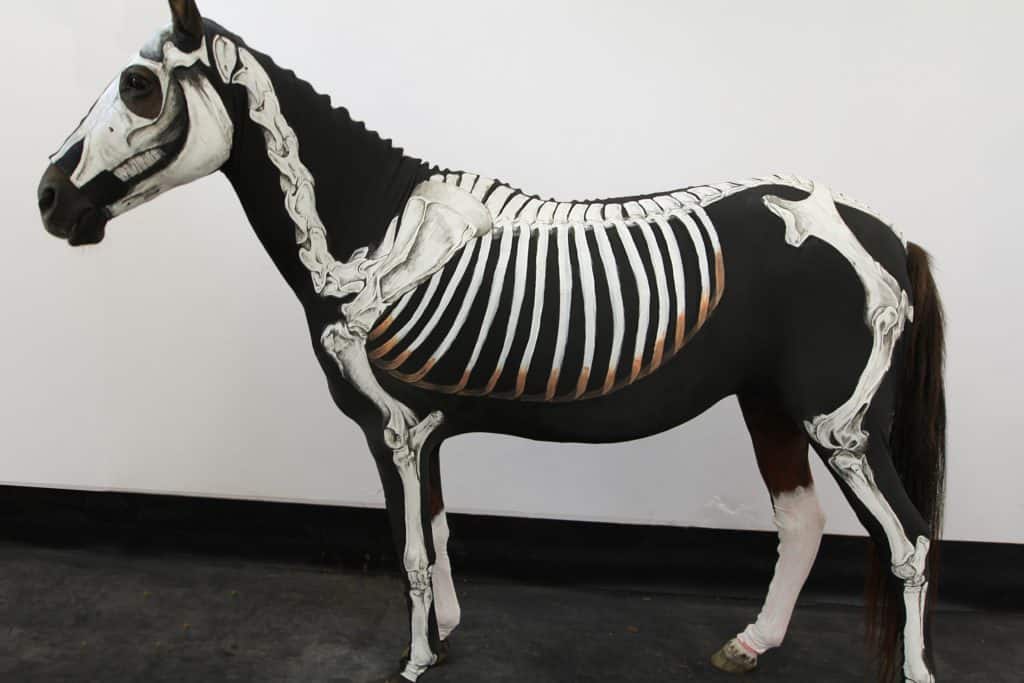
The garments—depicting bones, muscle groups, and more—can help veterinary students, chiropractors, and even owners and riders better understand the structures hidden under horses’ skin, researchers said.

Dr. Jacquelin Boggs shares why horses need a rabies vaccine every year and how long vaccines protect horses in general.