Complete Feeds vs. Ration Balancers: What’s the Difference?
One’s designed to be the horse’s whole diet, while the other is meant to complement his forage ration. Which is best for your horse?

One’s designed to be the horse’s whole diet, while the other is meant to complement his forage ration. Which is best for your horse?

Many senior horses remain active into their later years. Adjusting nutrition—opting for quality protein, fiber, fat, and antioxidants—supports health and performance.
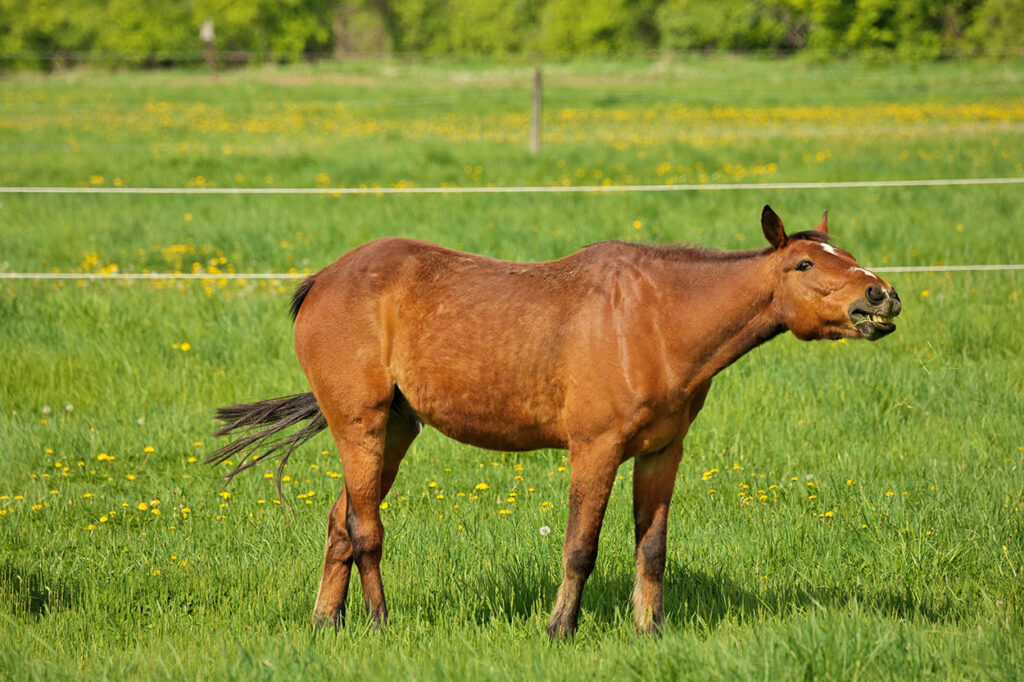
Vaccination, biosecurity, and sound barn management practices reduce the risk of equine respiratory disease and support faster recovery.

What are the most common neck issues in horses and how are research and technological advancements helping veterinarians diagnose them?
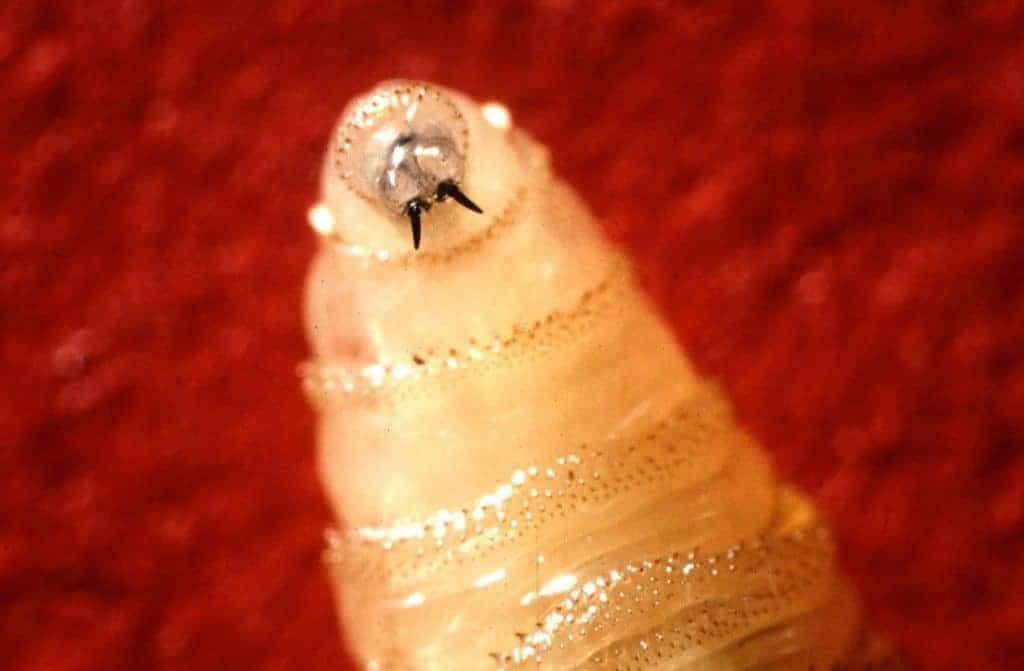
As new world screwworm threatens horses and livestock again, experts urge vigilance, rapid reporting, and prevention to stop its return to the U.S.

Two experts explain how you can improve your horse’s joint health through nutrition and how to choose high-quality joint supplements.

One expert explains what researchers know about EASD in horses and advancements they hope to make in prevention.

Five veterinary experts discuss the latest in diagnosing, treating, and preventing equine gastric ulcers in this roundtable. Sponsored by Boehringer Ingelheim.

Discover what issues can affect your horse’s back, sacroiliac joint, and pelvis and how veterinarians address them.

What to expect when a veterinarian performs a prepurchase exam on a prospective equine partner.

High-quality protein digested in the small intestine helps supply essential amino acids needed for muscle repair, recovery, and performance in horses.

Learn the early signs of equine arthritis and why prompt veterinary care can help protect your horse’s joints and mobility. Sponsored by American Regent Animal Health.

Correct diagnosis of equine asthma is crucial to finding a treatment that works for your horse.

Researchers say long-term use of this NSAID in horses does not have clinically significant negative effects on bloodwork.
Discover which horses can benefit from higher carbohydrate levels in their diets and the feeds that can supply them.

Vegetable- and marine-based sources can provide your horse with essential omega-3 fatty acids. Consider these factors when choosing an omega-3 supplement for your horse.