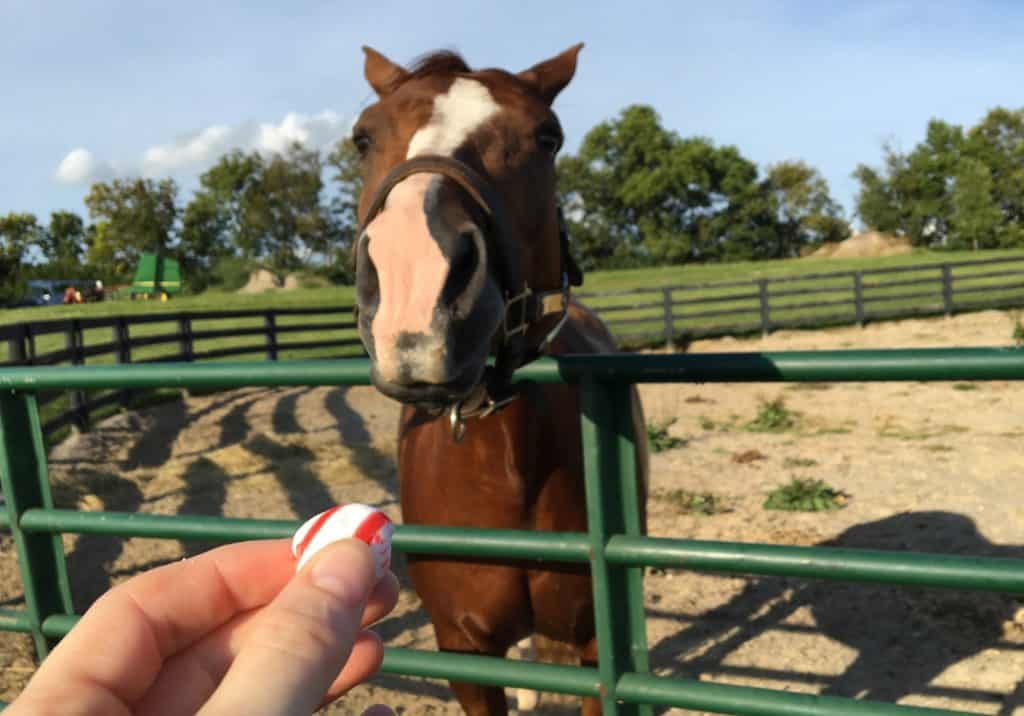
What Treats Can I Feed My Laminitic Horse?
Horses with laminitis can still enjoy an occasional carrot or peppermint, but safer options include low-sugar fruits, veggies, and commercial treats.

Horses with laminitis can still enjoy an occasional carrot or peppermint, but safer options include low-sugar fruits, veggies, and commercial treats.
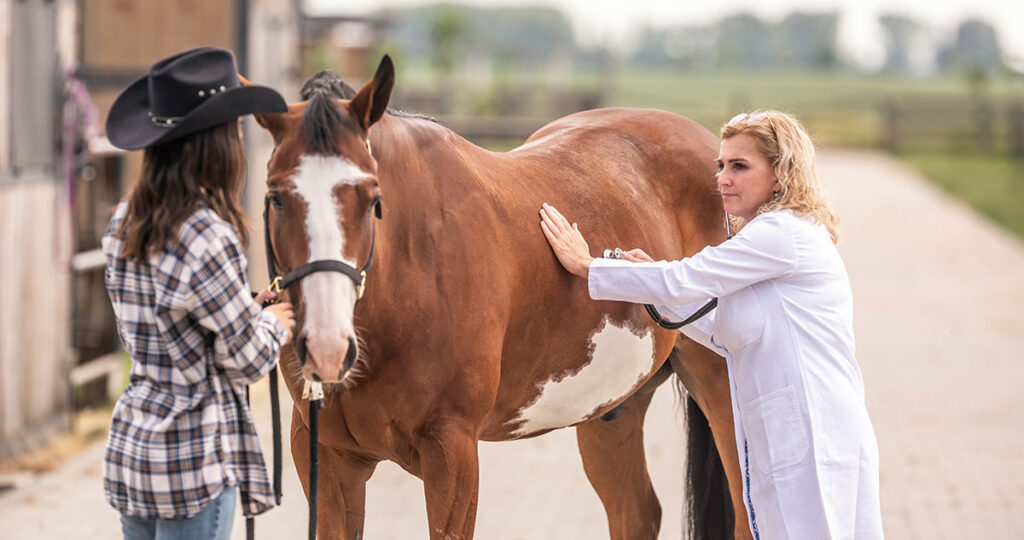
Financial planning and practical management help owners provide effective care for horses with chronic conditions or long-term injuries. Sponsored by CareCredit.

Common advice tells us not to feed horses before exercise. But this outdated belief might be hurting your horse.

Hock arthritis can cause poor performance and lameness in horses. Learn how to manage your horse after a diagnosis of this common condition.

Researchers say bump kinase inhibitors show promise in treating horses with this neurologic disease.

How soon can I ride my horse after he gets trimmed or shod? How do I know if he has thin soles? Vets and farriers answer these common hoof health questions and more.

Veterinarians describe 9 common causes of poor performance in horses and what it takes to get a diagnosis.
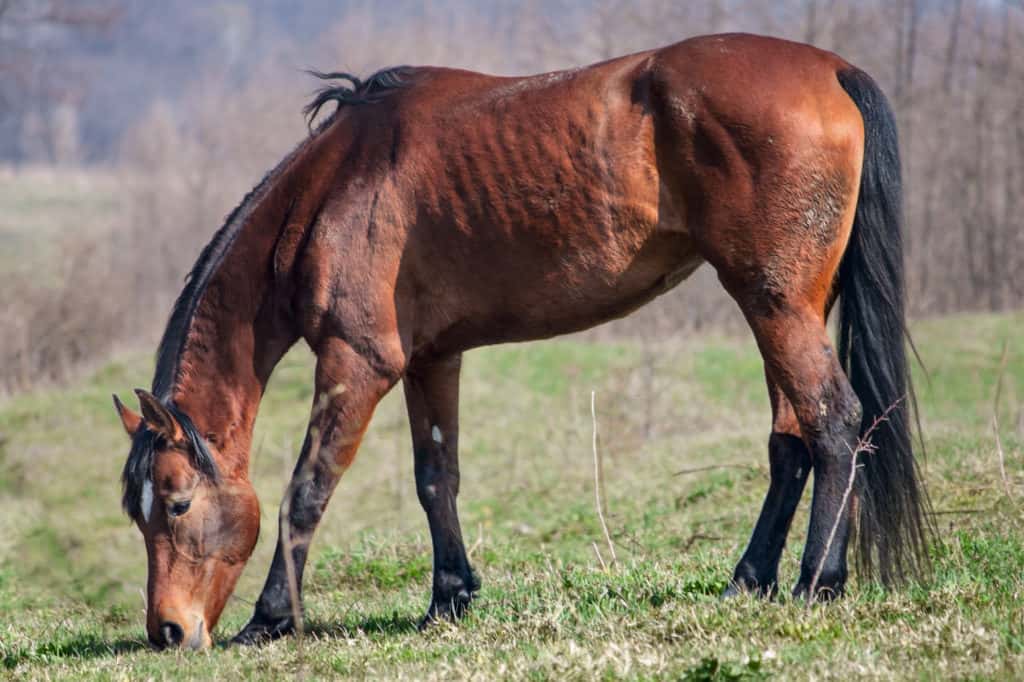
An equine nutritionist offers care and feeding tips to help owners prepare thin senior horses for cold weather.

Horses might need additional risk-based vaccines in the fall months, depending on location and activities.
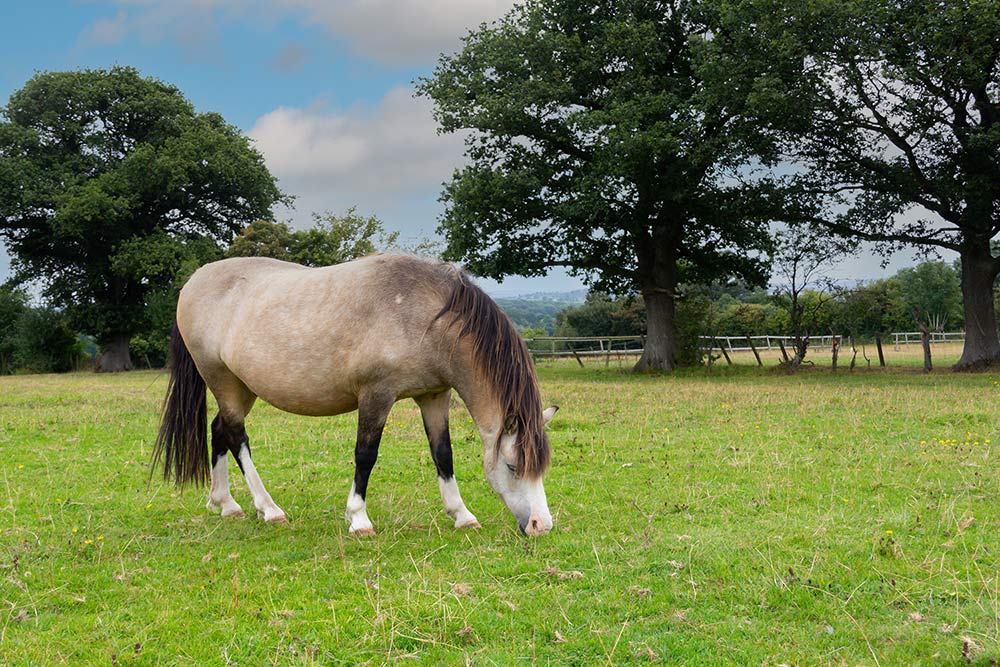
Learn tips and tricks for navigating the difficulties of managing overweight horses in this article from The Horse‘s Fall 2025 issue.
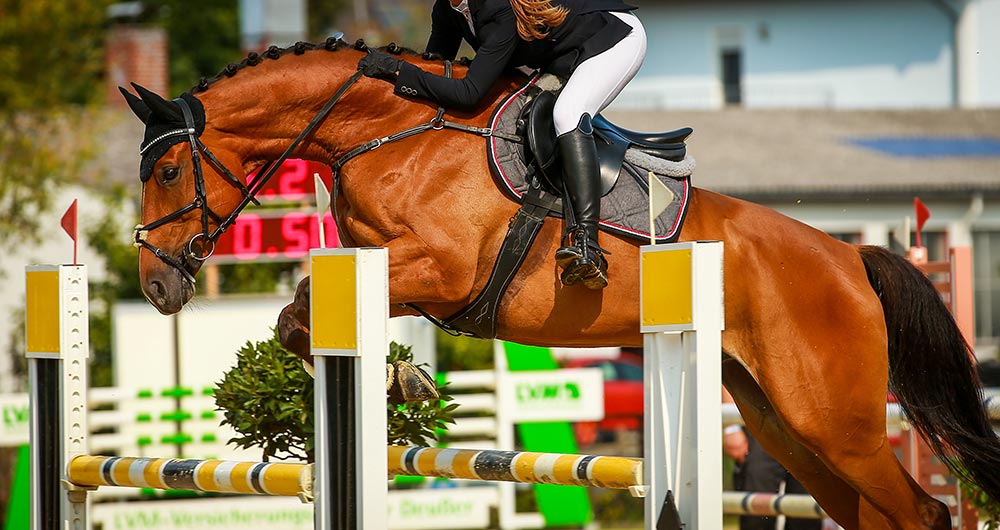
Dr. Wendy Krebs explains why your veterinarian should test a horse for sedatives and NSAIDs during the prepurchase exam.

An equine nutritionist answers common questions about beet pulp, which has long been a mainstay in many feed rooms for horses.
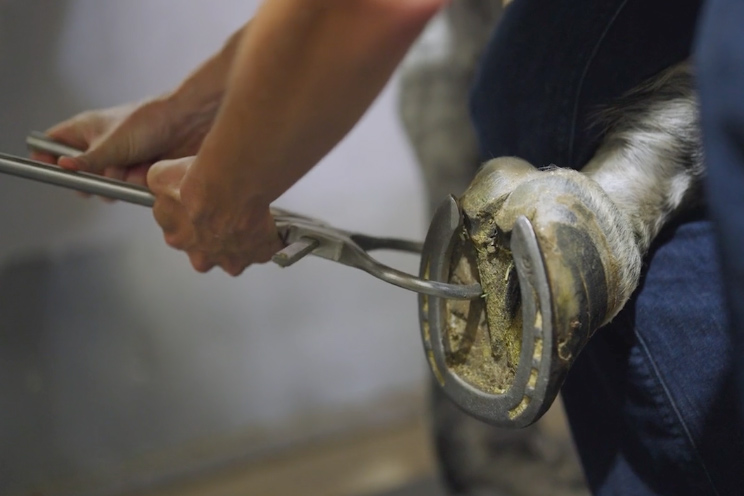
Find out what to expect during an equine soundness examination. Sponsored by American Regent Animal Health.
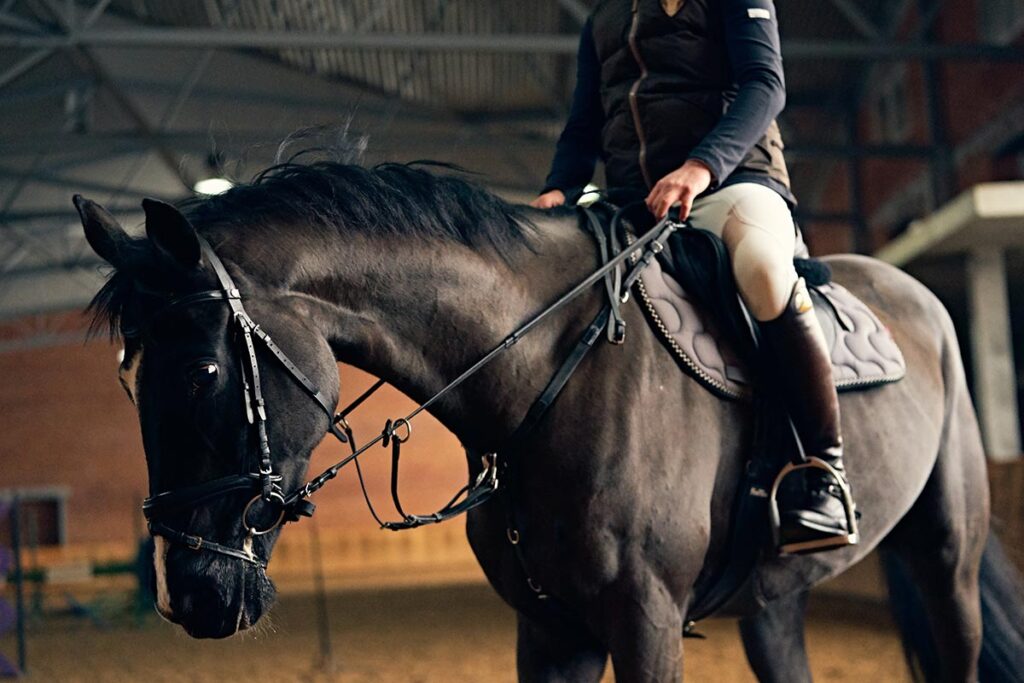
Dr. Wendy Krebs explains the common costs associated with purchasing a horse and early ownership in this Ask TheHorse Live excerpt.
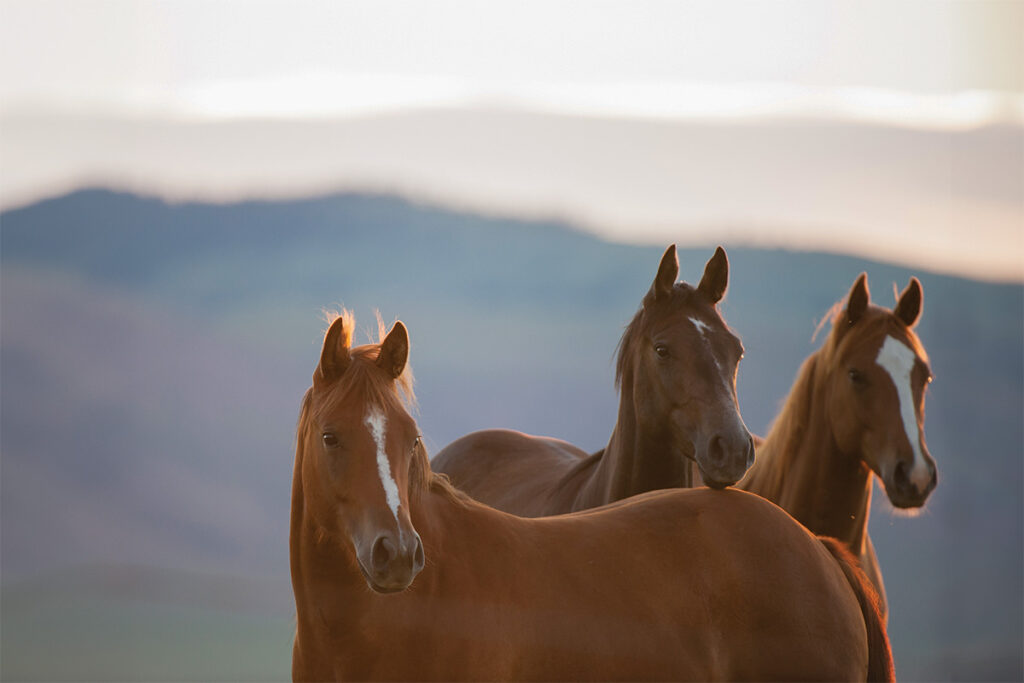
Equine hepatitis viruses EqHV and EqPV-H can cause chronic or acute liver disease in horses. Early diagnosis, biosecurity, and prevention are key.
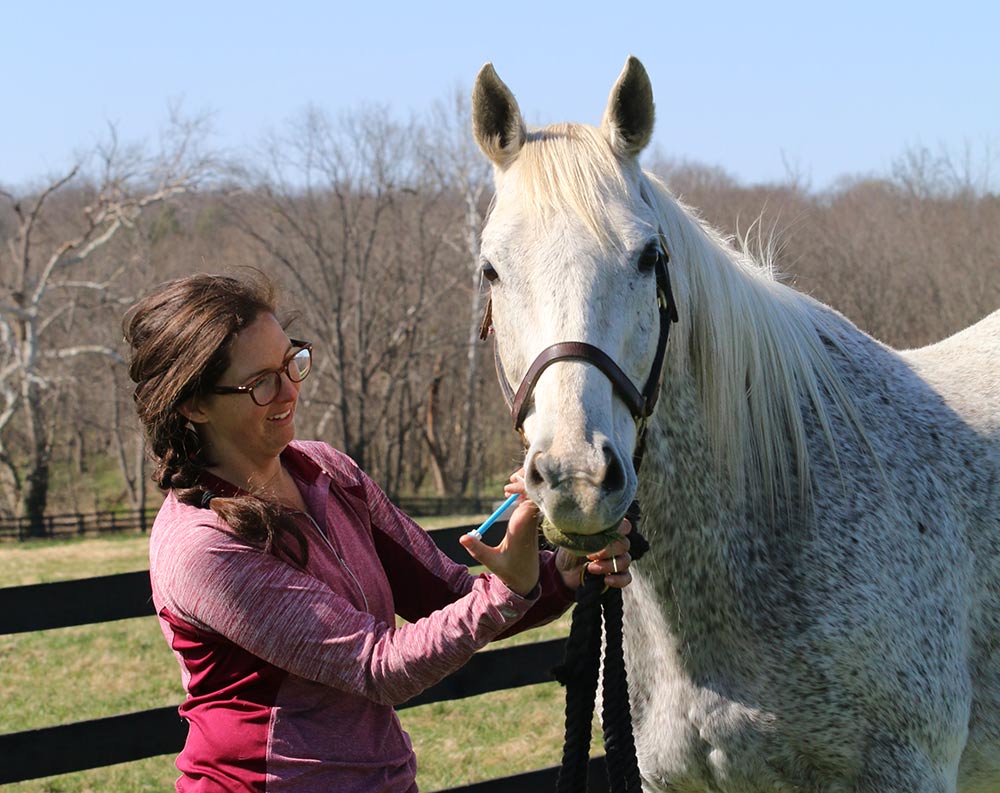
Dr. Martin Nielsen explains how testing and strategic deworming programs support effective parasite control and protect horses’ long-term health.