Feed Your Horse For Optimal Performance
Veterinarians and a nutritionist outline how forage, concentrates, and supplements fuel performance horses and how to adjust diets for each horse’s job and temperament.

Veterinarians and a nutritionist outline how forage, concentrates, and supplements fuel performance horses and how to adjust diets for each horse’s job and temperament.

Cold weather often brings unwanted weight loss in hard-keeping horses. Two experts offer advice on preventing this as we prepare for temperatures to drop.

Dr. Kristi Gran explains how owners can plan ahead for expenses related to managing a horse with chronic laminitis and why prevention is key.

Here’s when and why your veterinarian should retest your PPID horse even after medical treatment.

Equine asthma is an umbrella term used to describe chronic, noninfectious airway inflammation in horses. Here’s what experts know.
Age is just a number, but age-related horse health and nutritional challenges are very real. Here are 6 tips to help you formulate the optimal diet for your horse’s golden years. Sponsored by Purina.
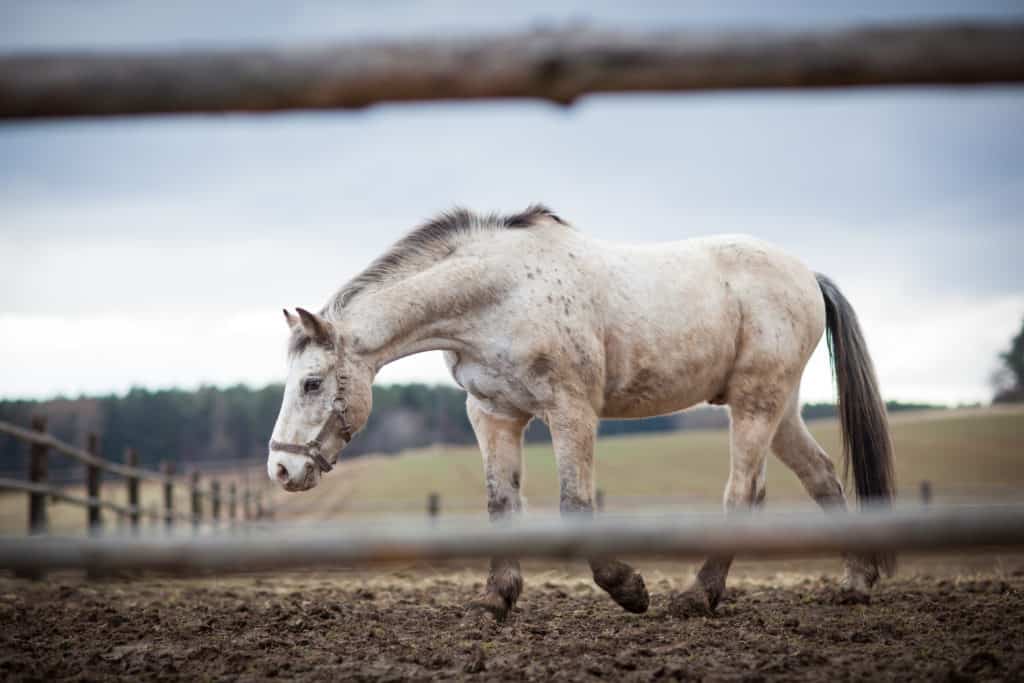
Learn how to choose forage, concentrates, and supplements to support weight gain and overall well-being in horses with multiple health conditions.

An equine internal medicine expert explains how owners can manage horses with free fecal water syndrome, especially during winter.

In this podcast excerpt Dr. Nathan Canada details approaches to long-term management and treatment of kissing spines in horses.

Learn how Class IV laser therapy supports equine rehabilitation and can improve recovery outcomes.
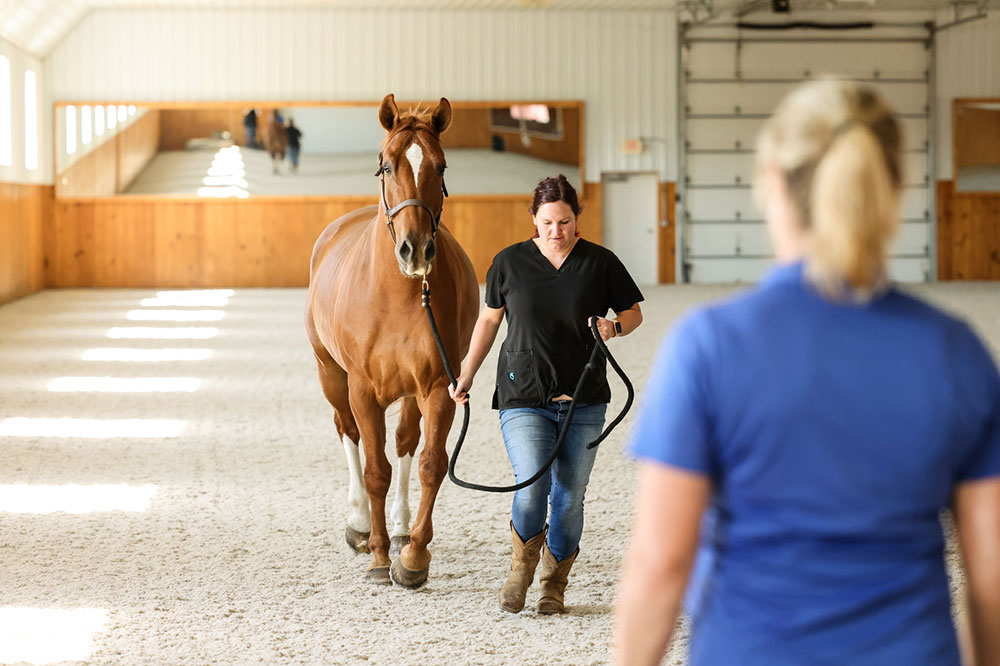
Objective tracking tools can bring data-driven precision to equine rehabilitation programs.

Your horse’s recovery from surgery should start long before heading to the OR.

A veterinarian explains why hoof radiographs are important, how to use them, and what role they play in helping your horse feel and move better.
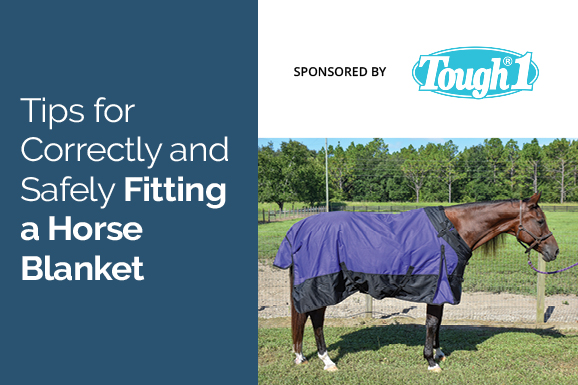
Learn how to calculate your horse’s blanket size, prevent rub marks, and practice safe blanketing in this visual guide. Sponsored by Tough1.
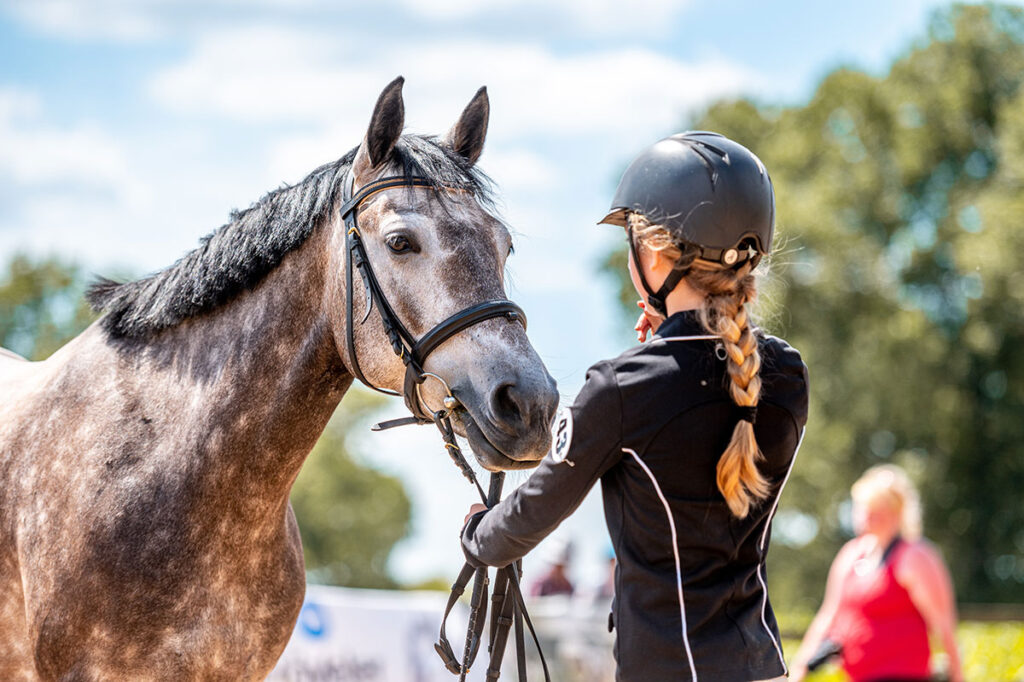
An equine nutritionist offers advice for feeding horses on competition days to support energy, digestion, and performance.

Do you want a festive fall treat for your horse? Find out if pumpkin is a safe choice.