Optimizing Your Horse’s Performance Through Nutrition
An equine nutritionist explains how different energy sources function in your horse’s feed and how to incorporate them to improve his performance.

An equine nutritionist explains how different energy sources function in your horse’s feed and how to incorporate them to improve his performance.

When the temperatures drop, make sure your horses always have access to water and are drinking enough.
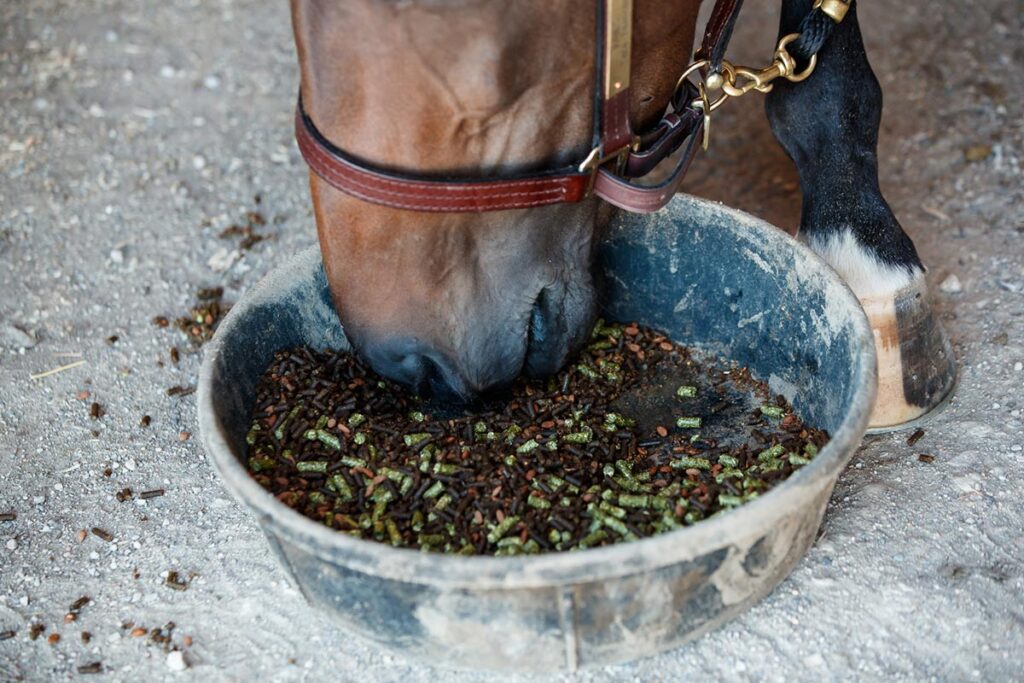
Two veterinarians answer your equine supplement questions in this Ask TheHorse Live podcast. Sponsored by SmartEquine.

Know how your horse’s body reacts to cold weather and train accordingly to make the most of the chilly months ahead.

Overly moist or dry and brittle hooves tend to break and bruise, leaving horses footsore or causing issues with shoe retention. Here are tips for hardening hooves.
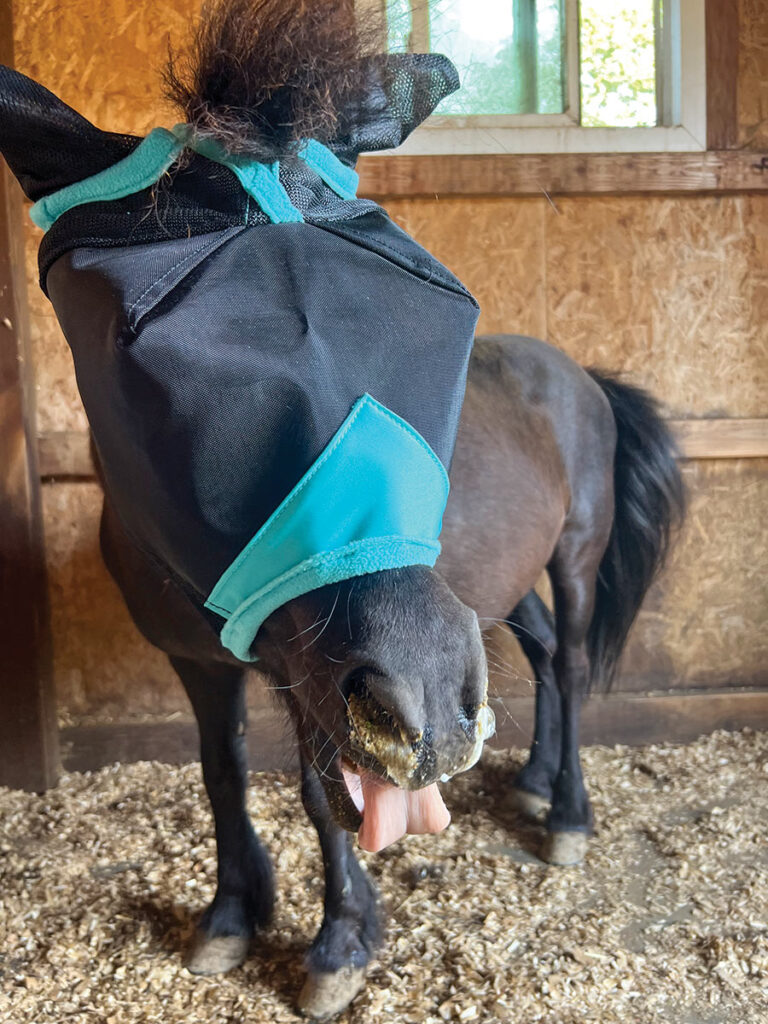
Consider a horse choking to be an emergency, although a veterinarian can usually resolve it with prompt action.

An equine nutritionist weighs in on which type of hay best helps horses stay warm during cold nights.

Fevers flag a health problem in horses, but what should you do when you can’t determine the cause? Here’s how veterinarians handle this frustrating problem.

Dr. Holly Helbig and Dr. David Levine describe how they use SAA and other biomarkers to spot infection early, guide treatment, support biosecurity, and monitor horses in real time.

From nutrition considerations to preventing mud, it’s time to get ready for the long stretch of winter conditions.
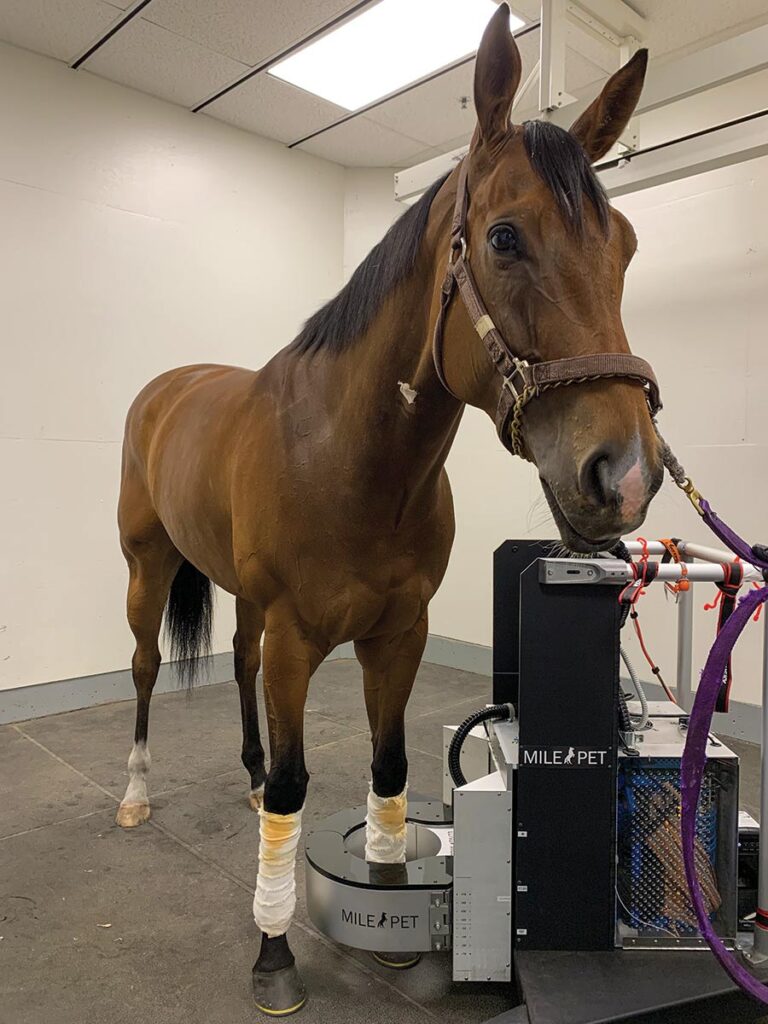
Positron emission tomography (PET) can reveal active processes other diagnostic modalities might miss. Learn more in the Winter 2025 issue of The Horse.
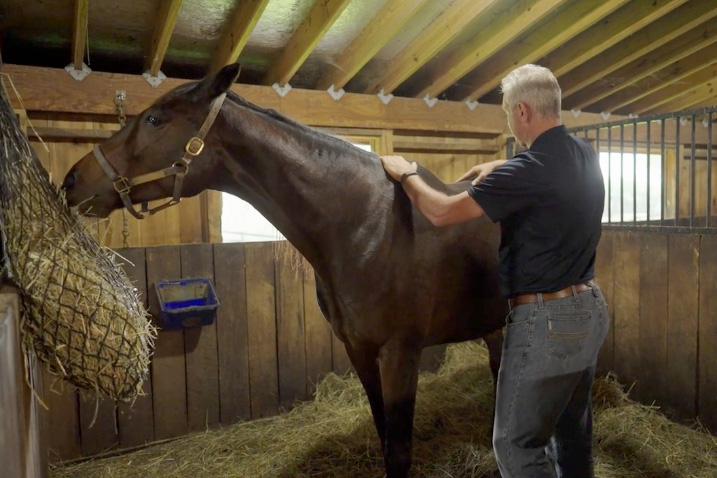
Learn about the common signs of gastric discomfort and how to recognize them in your horse. Sponsored by Kelato.

Following the sudden loss of her horse as a result of an aortic rupture, our editorial director offers insights for navigating the shock, grief, and decisions that follow.

Two hoof care experts answer questions about common hoof issues including subsolar abscesses, bruises, and thrush.
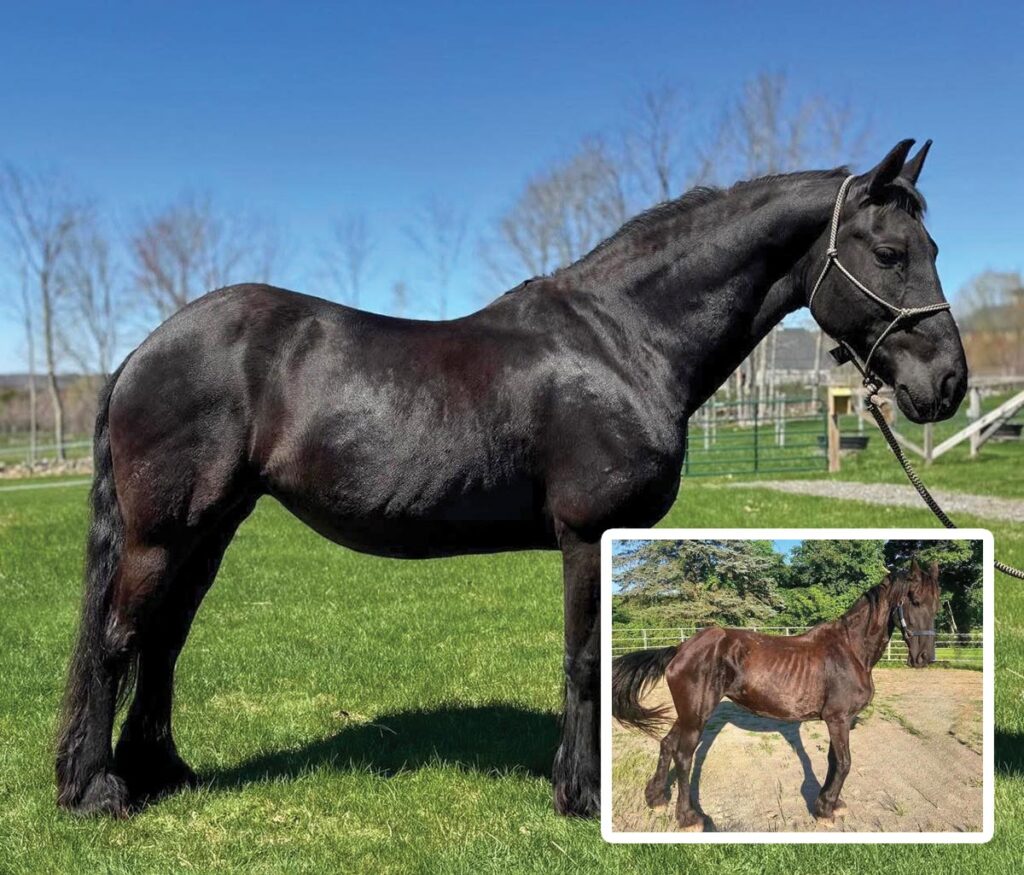
Thorough veterinary care and patient training can help transform rescue horses. Read more in The Horse‘s Winter 2025 issue.

Here’s what seasonal treats are safe for horses and what you should consider when feeding them.