Equine Multisystemic Eosinophilic Epitheliotrophic Disease
This rare, chronic wasting disease is characterized by development of granulomas in numerous organs.

This rare, chronic wasting disease is characterized by development of granulomas in numerous organs.

Get helpful information for navigating the crowded field of performance-horse medications.
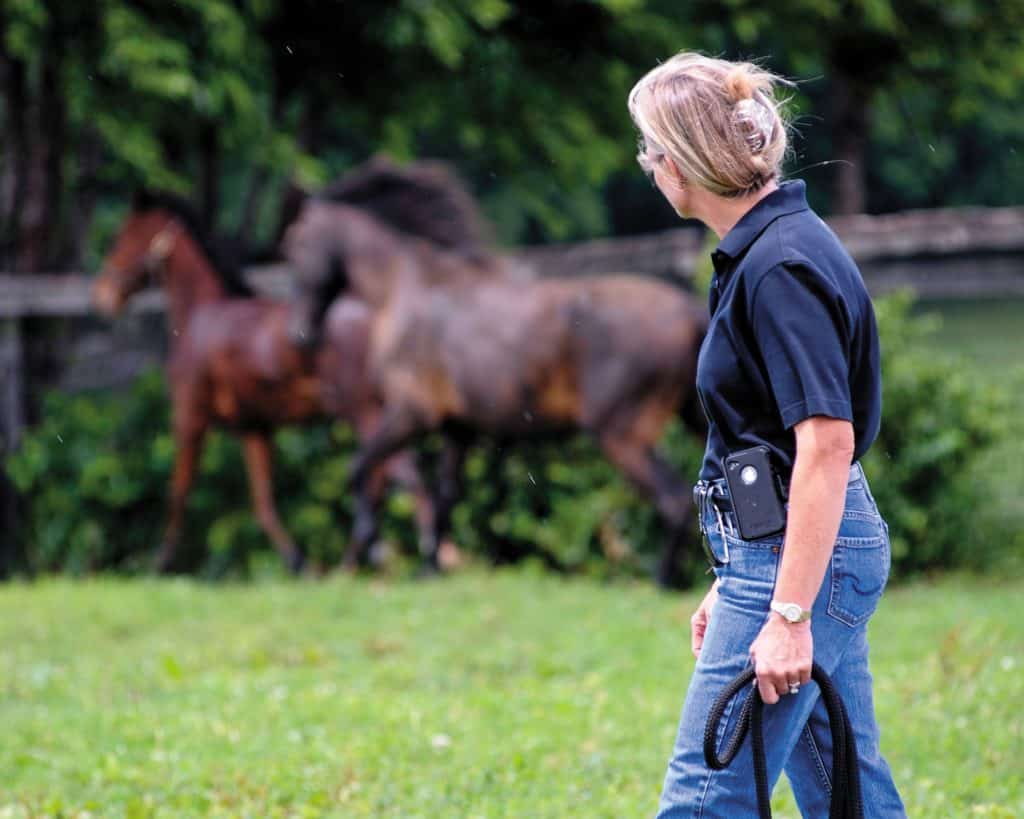
Is it common for horses to respond differently to different people in the same situation?

Horses in excessively wet or muddy environments are at greater risk of getting scratches.

Mobile veterinarians are one step closer to better protection from federal drug prosecution.

Dr. Lisa Fortier shares her picks for the top equine surgery- and lameness-related studies of 2013.
Do horses have the capability to think through a problem, like unlatching a gate?

Get tips from a veterinarian on keeping horses healthy and safe during the cold days of winter.

In the face of new racing medication rules, vets are revisiting treatment approaches for injured horses.

Dr. Nicola Pusterla shares what horse owners need to know about EHV, its clinical signs, and treatment and prevention methods.
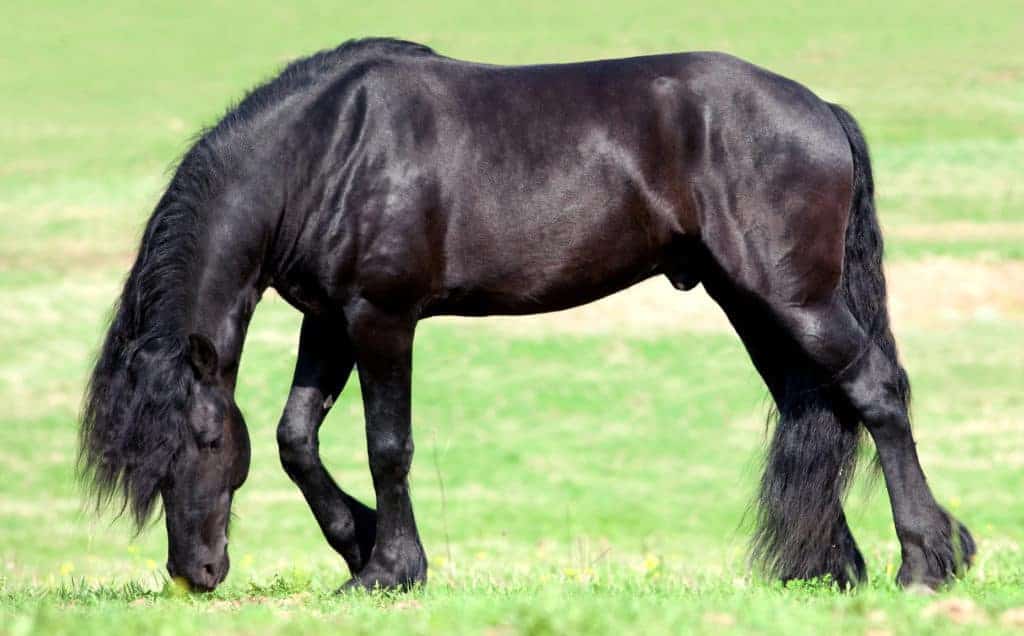
The equine intestinal tract can be divided into large sections based on its overall function.

The 29-year-old stallion was discovered in his paddock at dawn on Jan. 7; a necropsy will be performed.

Nielsen hopes to raise $30,000 to study a novel probiotic compound for the treatment of equine parasites.
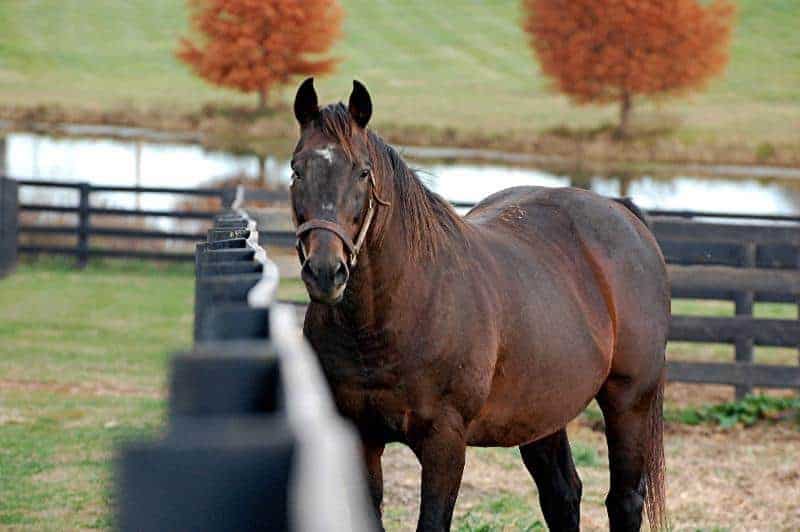
The 23-year-old stallion had been at a clinic for several days for diagnostic tests and medical care.

Barren County, Ky., law enforcement authorities are investigating the alleged theft of 10 Arabian horses.