How to Keep Your Horse Safe on the Fourth of July
A veterinarian offers tips on how you can prepare in advance to keep your horse calm despite the noise and sight of festive fireworks.

A veterinarian offers tips on how you can prepare in advance to keep your horse calm despite the noise and sight of festive fireworks.

If your horse struggles to keep weight on in summer, here’s how to safely increase his calories.
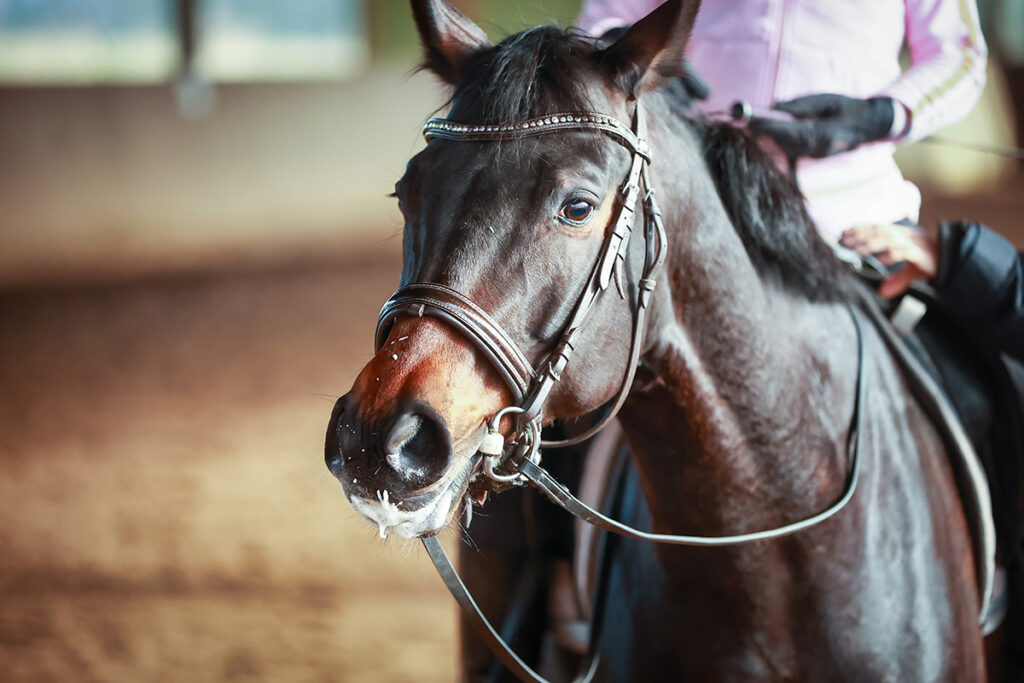
Electrolyte loss through sweat can lead to dehydration, fatigue, and poor recovery. Here’s how to support your horse’s health during work and warm weather.
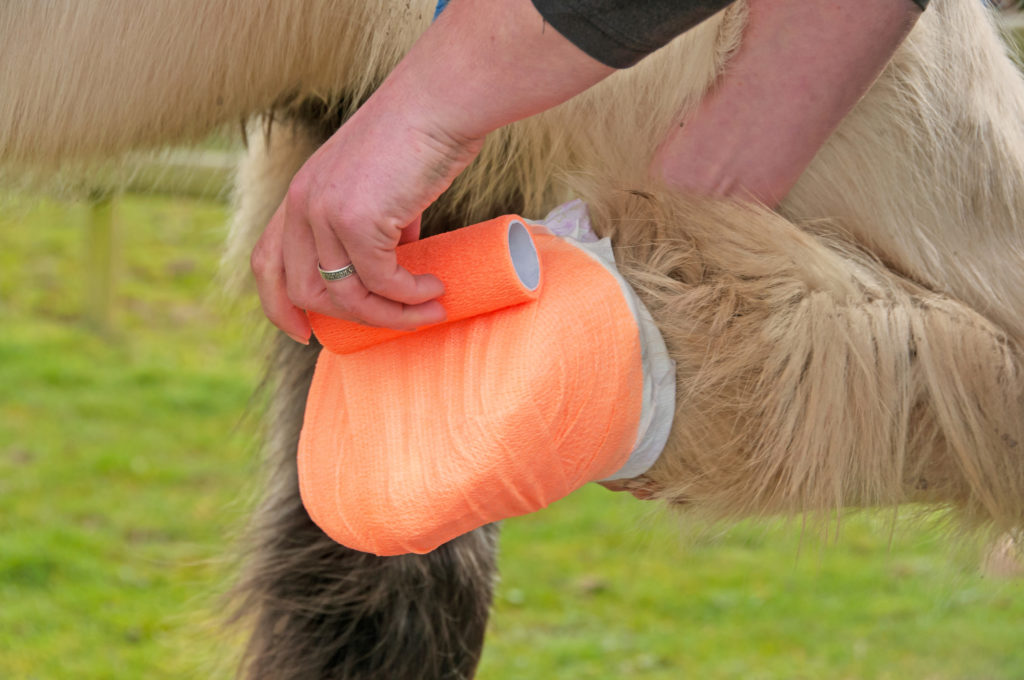
Resolving hoof wounds requires working closely with your veterinarian to manage lesions until they heal. Learn about 4 common wounds and how vets treat them.

Airborne pathogens can contribute to disease spread in equine hospitals. Learn how Synexis DHP® technology supports indoor biosecurity.
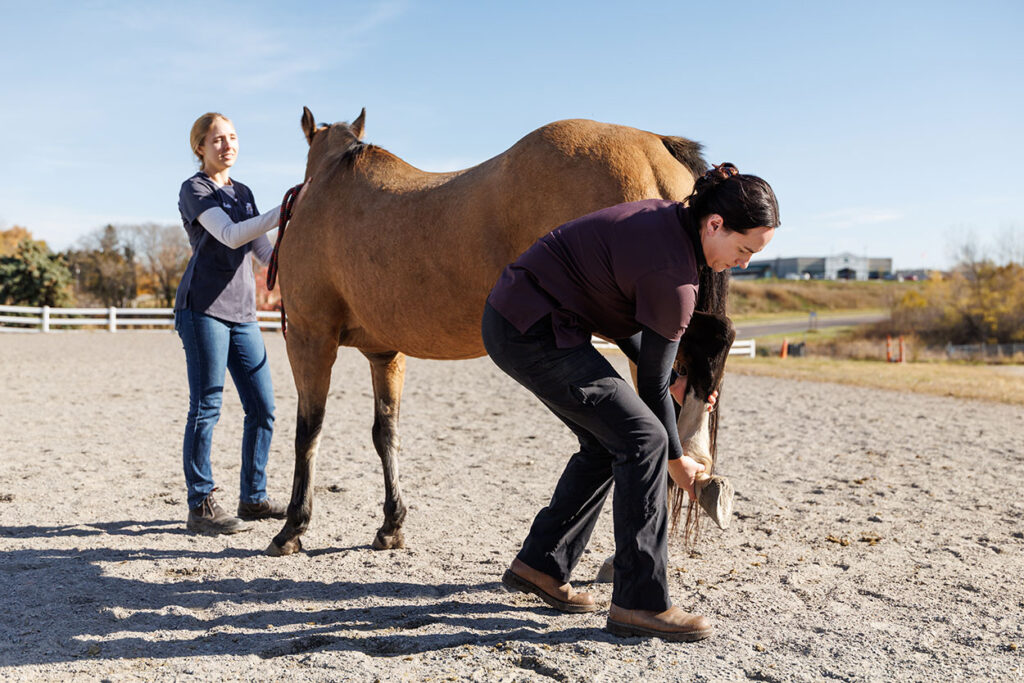
Delaying treatment, letting horses get overweight, and other common mistakes can contribute to arthritis progression and affect comfort and performance over time.

Horses can (and will) find unique ways to injure themselves. In this article we’ll highlight 4 of the most common causes of sudden lameness.

Protecting your young horse’s musculoskeletal system can help reduce his risk of injuries later in life.

Does your horse devour his meals? Slowing your speedy eater at mealtime can help prevent issues such as choke and wasted feed.

Summer sores can worsen rapidly without prompt treatment. Find out how to prevent these lesions and learn about methods veterinarians use to address them.

Learn how to recognize summer sores in horses and what your veterinarian might do to make a definitive diagnosis.

The equine hindgut breaks down fiber, which makes up most of the horse’s diet. Learn how diet and management can affect this important part of your horse’s GI system.
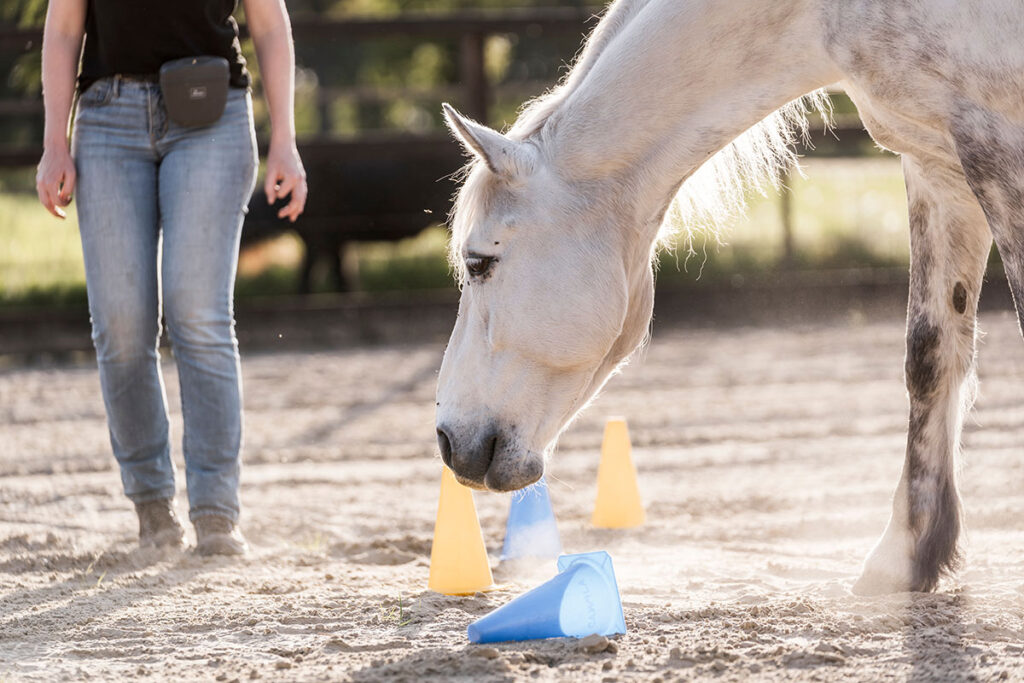
Horses express choices through body language and learned behaviors. Learn what researchers have revealed about equine communication.

Explore the causes of and treatments for this common muscular problem in horses, along with prevention methods.
See how the horse’s GI microbiome influences overall health and how you can support it. Sponsored by Gastrobim.
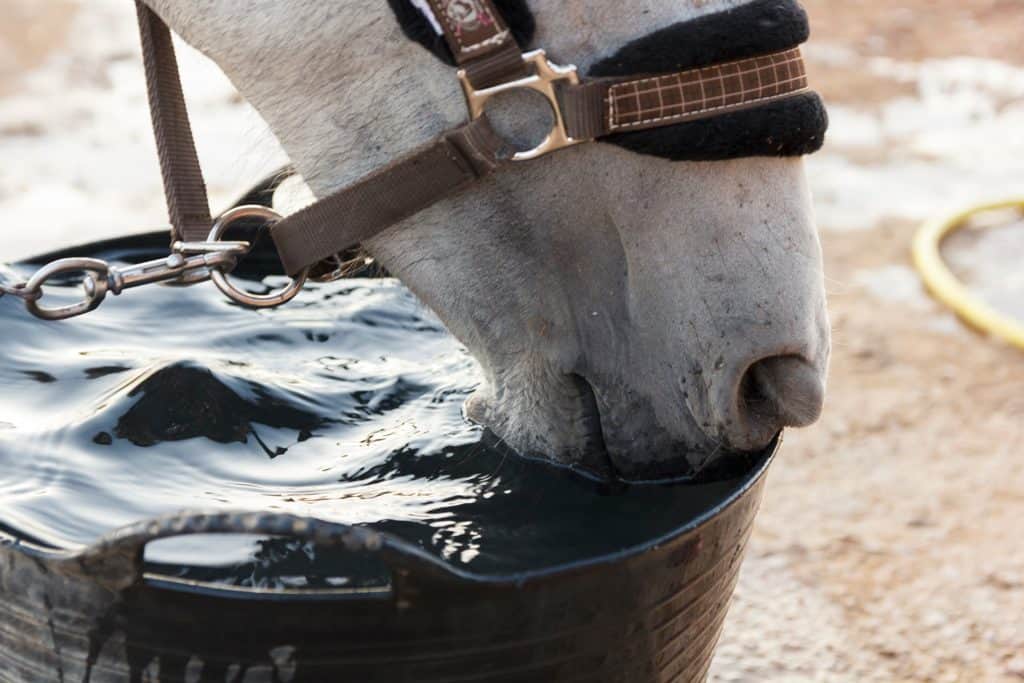
Keeping competition horses well hydrated isn’t always easy. An equine nutritionist offers tips to help prevent dehydration.