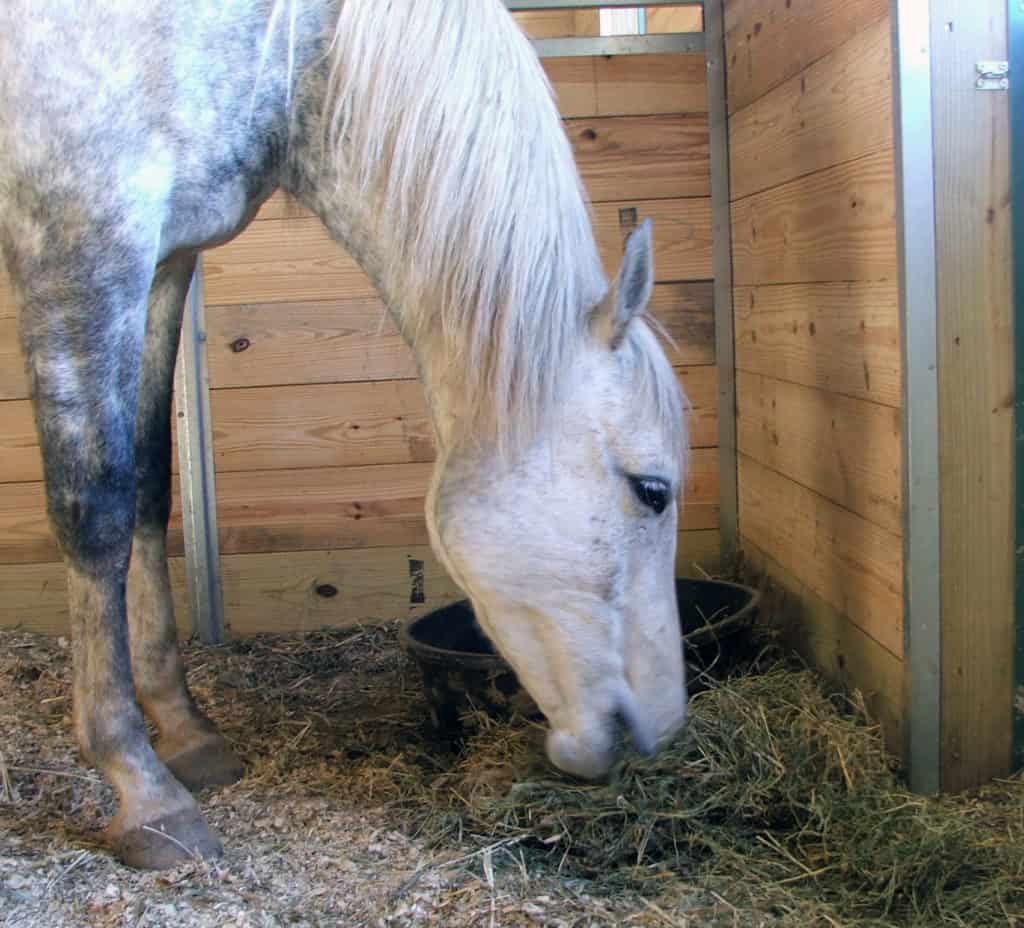
Horse Hay Analysis: What are ‘ADF’ and ‘NDF’?
Acid detergent fiber and neutral detergent fiber measurements can help you decide if hay is good for your easier keeper, broodmare, or growing foal.

Acid detergent fiber and neutral detergent fiber measurements can help you decide if hay is good for your easier keeper, broodmare, or growing foal.
While diet can indeed contribute to a horse being energetic, it’s not the only cause. Our nutritionist shares her thoughts.
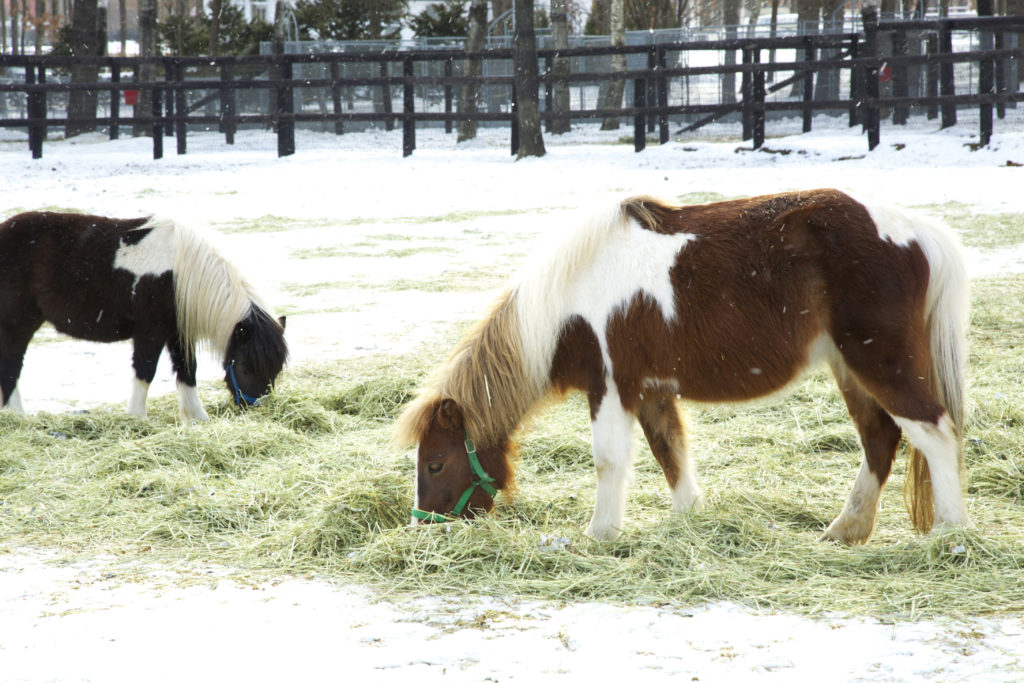
A horse owner asks if she’s feeding her horse hay often enough. Nutritionist Dr. Clair Thunes responds.

A user in a wildfire-affected area asks if supplements can help support her horse’s respiratory system.

Caring for pastures by preventing overgrazing in the winter can increase spring and summer yields.

Equine atypical myopathy and seasonal pasture myopathy are caused by eating maple tree seeds or saplings containing hypoglycin A.

Our nutritionist looks at whether all-pellet diets are good for horses.
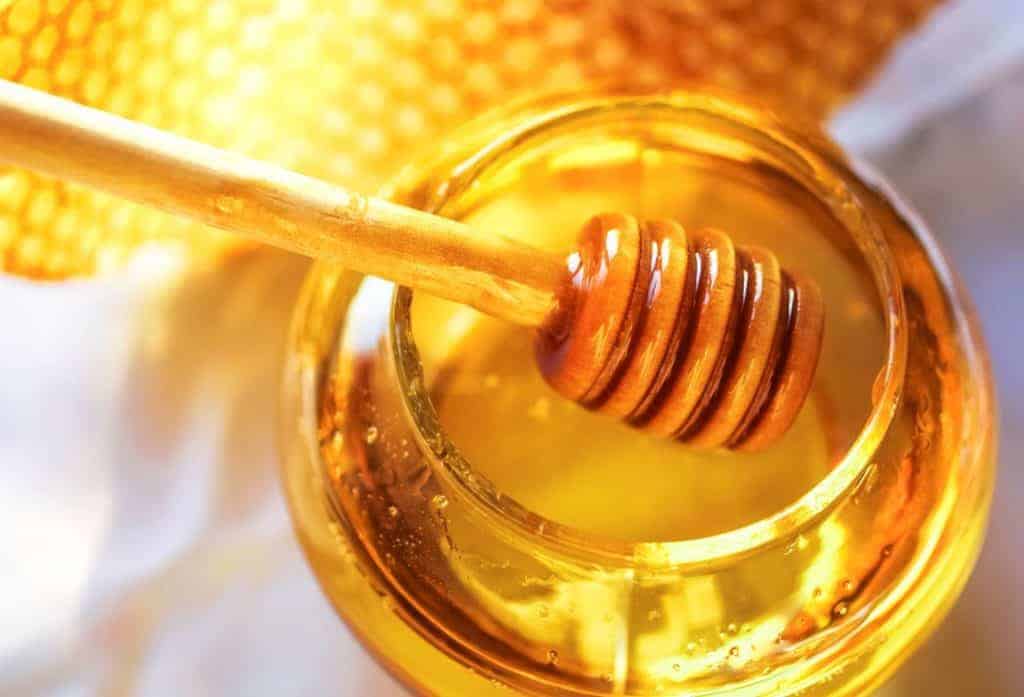
Including honey in the equine diet is common in some countries, but is it safe?

When buying horse feed, you might face the choice between “textured” and “pelleted.” Our nutritionist explains the difference.

Whether you’re taking your horse on a back-country vacation, moving out of state, or traveling to the World Equestrian Games, don’t assume your horse’s feed will be available at your destination.

Have you cleaned your horse’s feed bucket recently? Dr. Clair Thunes shares tips on when, why, and how often you should clean your horse’s buckets and feeders.
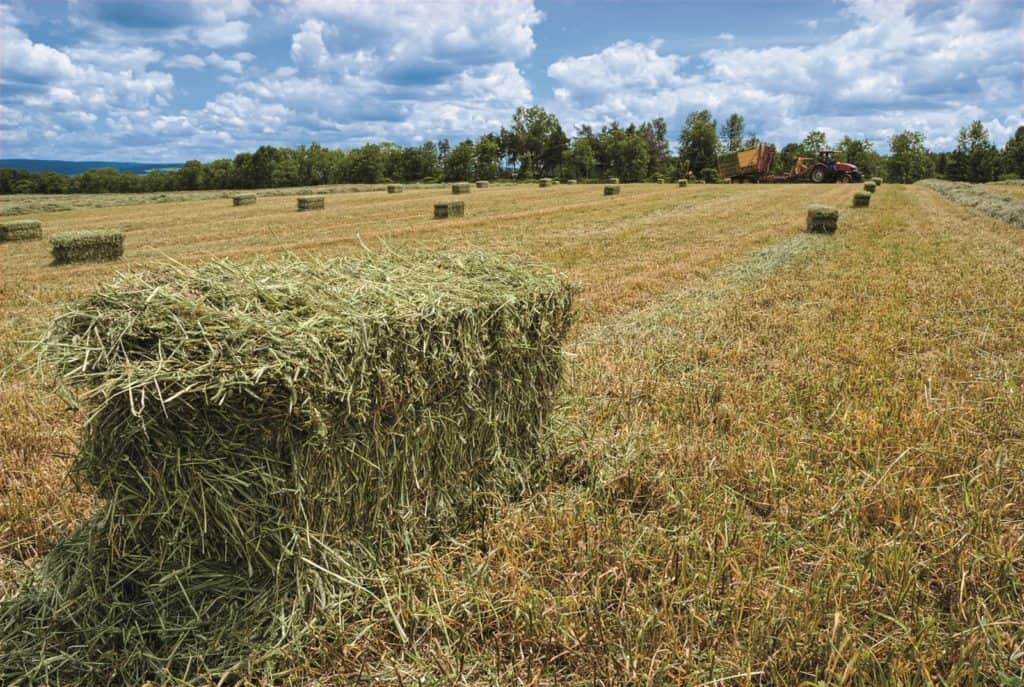
Should you avoid purchasing hay treated with propionic acid (a preservative) for horses? Not necessarily, our nutritionist says.

Does your herd leader get too much to eat while the low man doesn’t get enough? Here’s our expert’s advice.

Nutritionist Dr. Clair Thunes explains why ration-balancer protein contents might seem high but aren’t.

Learn about vitamin B-12’s role in the horse’s body and when supplementation might prove beneficial.

A horse owner who also has beef cattle wants to know if all-purpose, multispecies feeds are okay for horses. Our equine nutritionist responds.