Understanding Potomac Horse Fever
Learn about signs of Potomac horse fever, treatment, and prevention.

Learn about signs of Potomac horse fever, treatment, and prevention.

Since 2008 the University of California, Davis, School of Veterinary Medicine and Merck Animal Health have worked to cultivate a strong biosurveillance program.

Certain groups of U.S. horses are at risk of acquiring this blood- and tick-borne foreign animal disease.
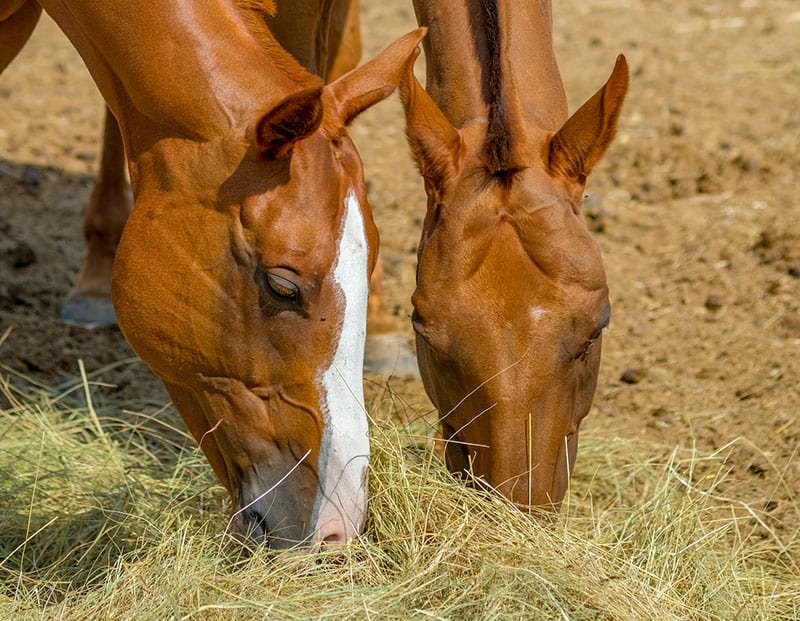
The 3 equine forms of this neuromuscular disease are found in many areas of North America.

Researchers found the muzzle and outer nostril region present an alternative and less invasive way to test horses for EHV-1.

Taking these steps can help rid your barn of the strangles-causing pathogen.

Wildlife can spread rabies and equine protozoal myeloencephalitis (EPM) to horses, so secure your barn against unwanted visitors.

Learn more about equine asthma, acute respiratory infections, and shipping fever in horses.

After testing horses during a 2022 EHV-1 outbreak, researchers found even those showing no signs shed common respiratory pathogens.

Follow these steps to prevent disease spread on your farm.

Scientists looked at disease prevalence in horses suspected to have tick-borne infections and compared test performance.

Anaplasmosis is a tick-borne disease caused by a bacterium that infects white blood cells.

Is my horse at risk of catching pigeon fever from another horse at my trainer’s barn?
Learn about serum amyloid A and how veterinarians can use it for early identification of inflammation in horses.

Dr. Lutz Goehring weighs in on what researchers have learned about equine herpesvirus-1, how it spreads, and how to prevent infection.

Knowing how to look inside your horse’s mouth safely can help you catch problems early.