Can PPID or EMS Affect My Horse’s Joints?
Dr. Luke Bass describes the unique joint changes that might be seen in horses with PPID and EMS.

Dr. Luke Bass describes the unique joint changes that might be seen in horses with PPID and EMS.

Dr. Howland Mansfield describes signs a horse is ready to retire from riding, ranging from mild work intolerance to lameness.

Obesity could cause increased damage to your horse’s joints. Here’s why.
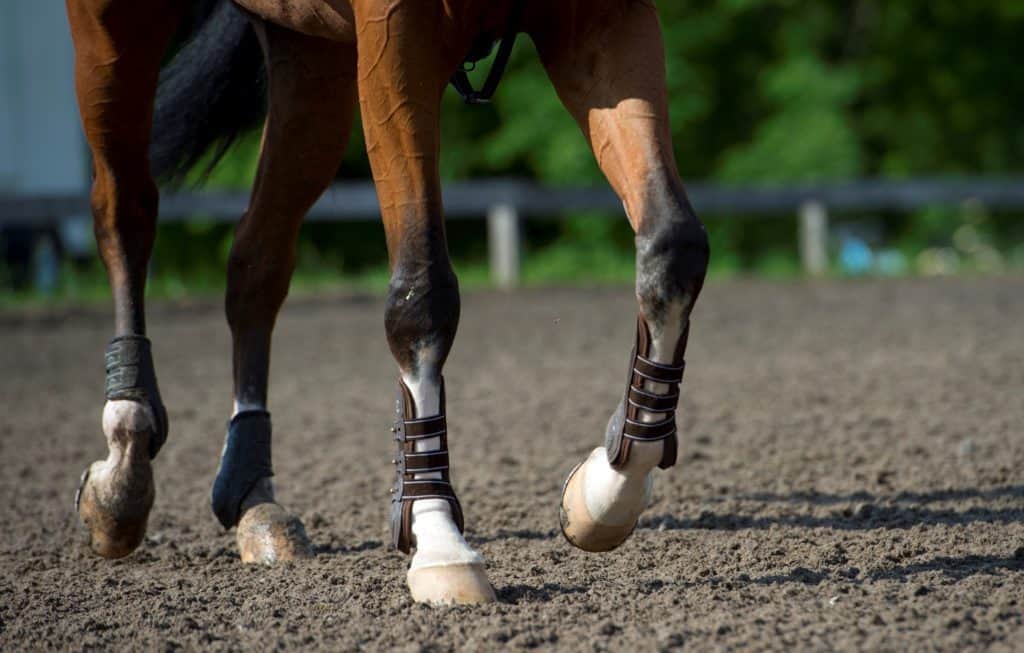
Dr. Luke Bass explains why injecting your horse’s joints too frequently might be harmful or reduce treatment efficacy.

Leading researchers from around the world share their findings on this common joint disease of young horses.

Learn how to maintain your senior horse’s joints so he stays comfortable into his later years. Sponsored by American Regent Animal Health.

Intra-articular antimicrobial use might not be needed with equine joint injections. Here’s why.

Experts answer common questions about this crippling condition that affects horses of all breeds, disciplines, and ages.
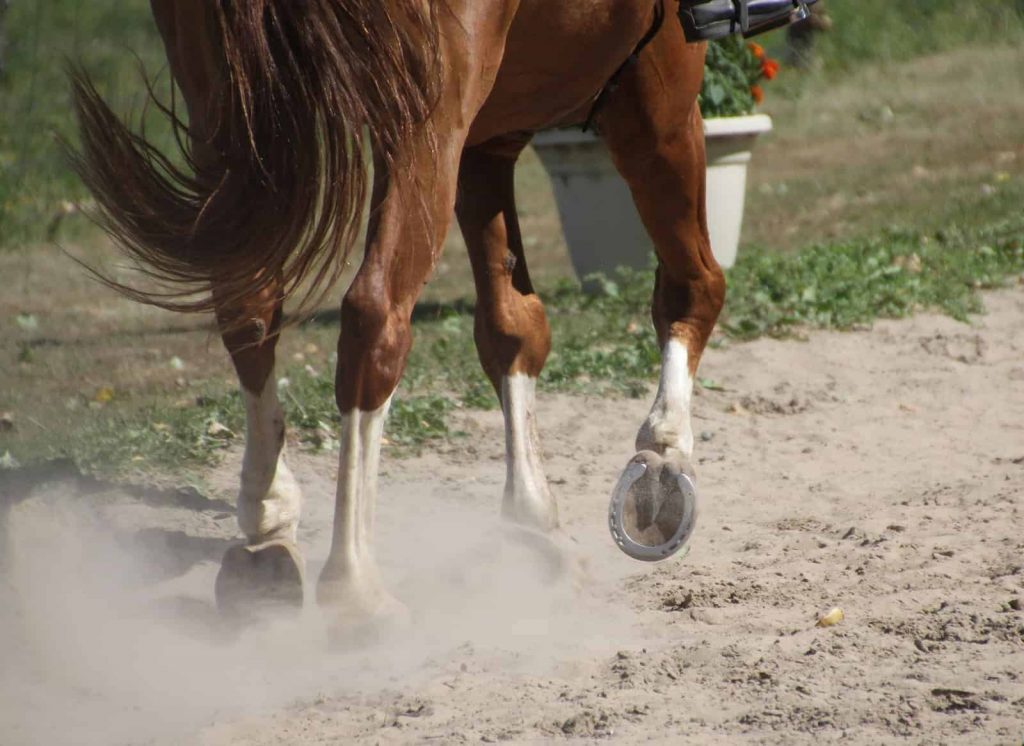
Study findings suggests a biomarker found in horses’ saliva can reveal the level of stress on a horse’s bones and joints during work.

Read about the science behind equine PAAG products.
Use this visual guide to understand how equine arthritis develops and how horses’ joints can degrade over time.

These therapies can be beneficial in treating pathologies of the cartilage and synovium in horse joints.

Researchers recommended bone chip removal to preserve joint health and athletic function.

Experts discuss what to do when your horse turns up with knee, hock, fetlock, or other leg joint wounds, and why.

When used properly, this injectable can be an effective substitute for traditional joint therapies for managing horses with osteoarthritis.

Researchers discussed the complications 212 veterinarians experienced after performing sacroiliac joint region injections.