Understanding Laminitis in Horses
Laminitis causes inflammation in tissues supporting the coffin bone in the hoof and can cause severe pain. Watch this webcast to learn what to watch for and when to call your vet.

Laminitis causes inflammation in tissues supporting the coffin bone in the hoof and can cause severe pain. Watch this webcast to learn what to watch for and when to call your vet.

Splint bone injuries are common in both working and pastured horses. Here’s what you should know.

Penn Vet experts share strategies for managing arthritis in senior horses, from regular movement and weight management to veterinary treatment.

Two veterinarians passionate about hoof care share how to identify and manage common hoof stressors in horses.
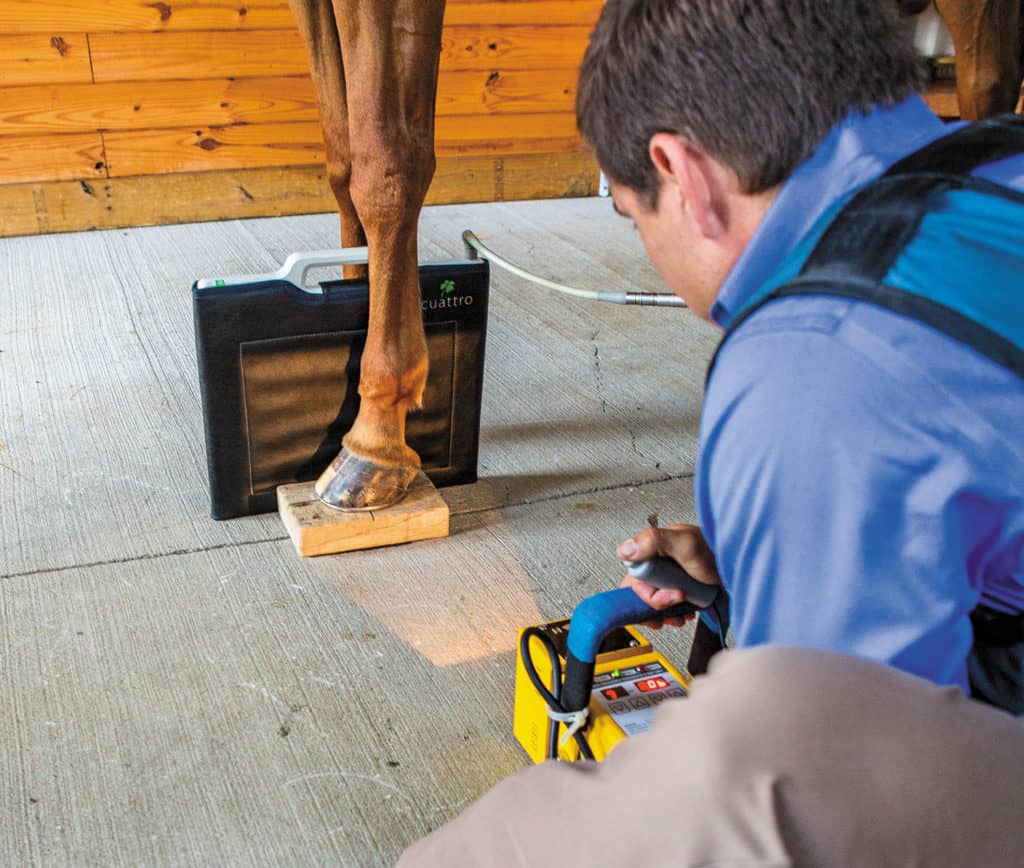
A veterinary podiatrist explains how X rays can be a useful tool for managing horses with chronic laminitis.

Researchers caution that more studies are needed to fully understand the effects of antioxidants on equine joint health. Here’s what they know now.
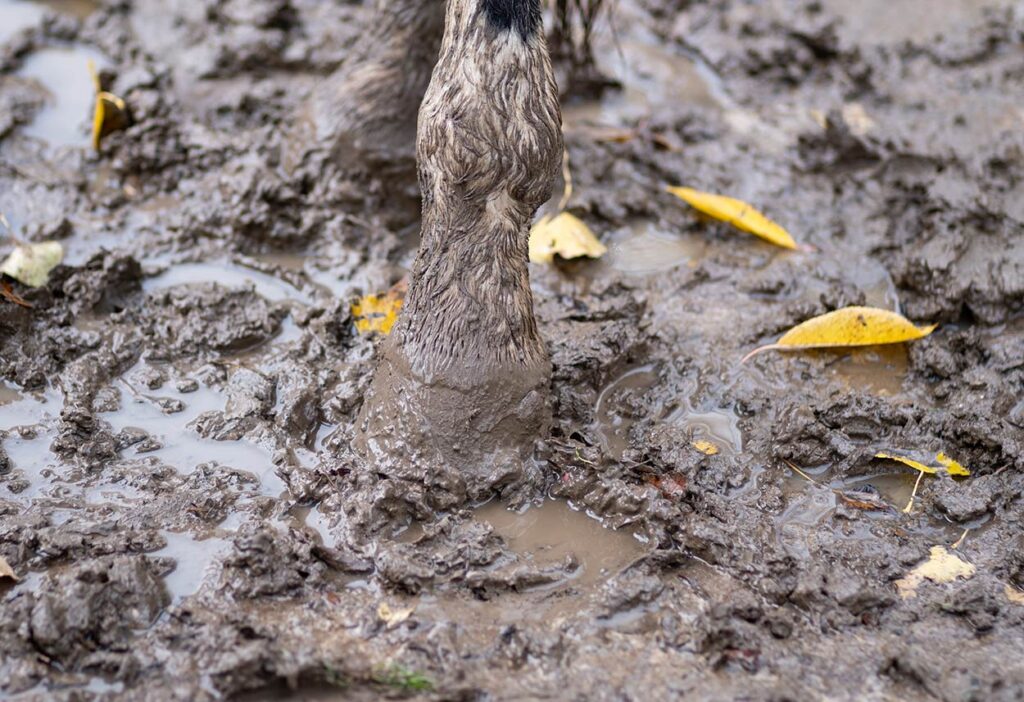
As the seasons change, so do the strategies we use to manage horses’ hooves.

Veterinarians and farriers emphasize individualized maintenance for preventing lameness and promoting long-term horse soundness.

The footing under your horse’s feet can affect his overall soundness. Find out what scientists know about footing and its connection to lameness and other health issues.
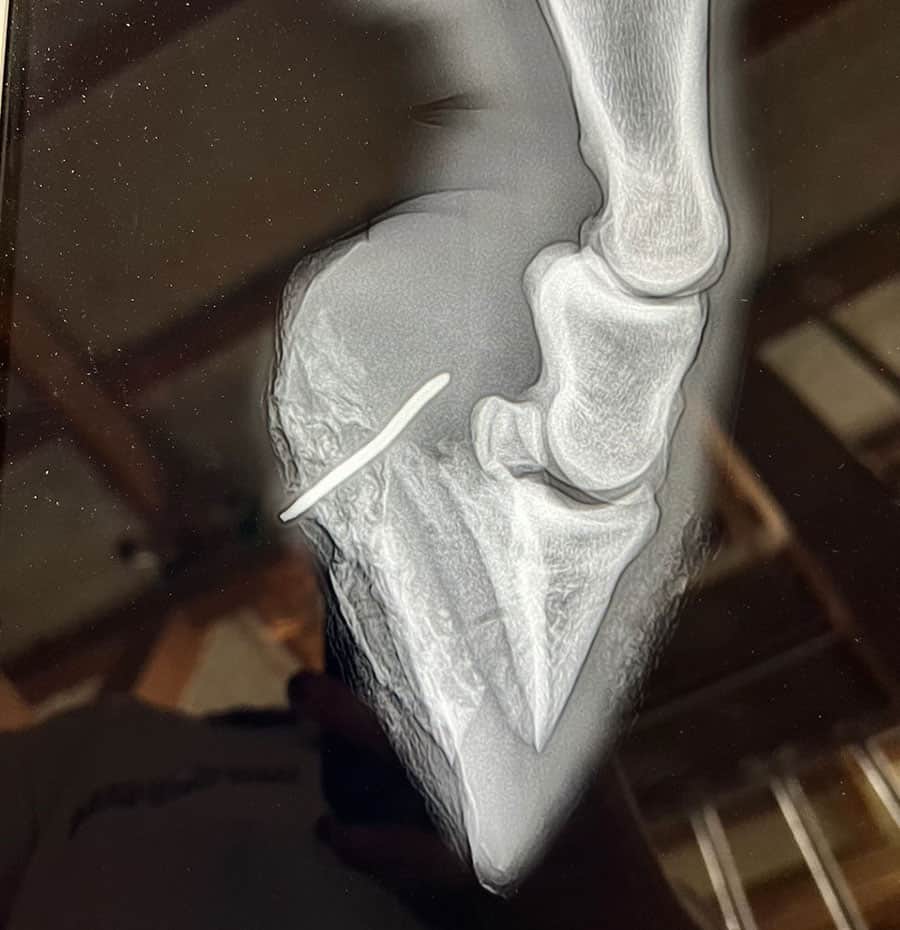
One veterinarian explains how to manage horse hoof puncture wounds and help ensure they heal properly.
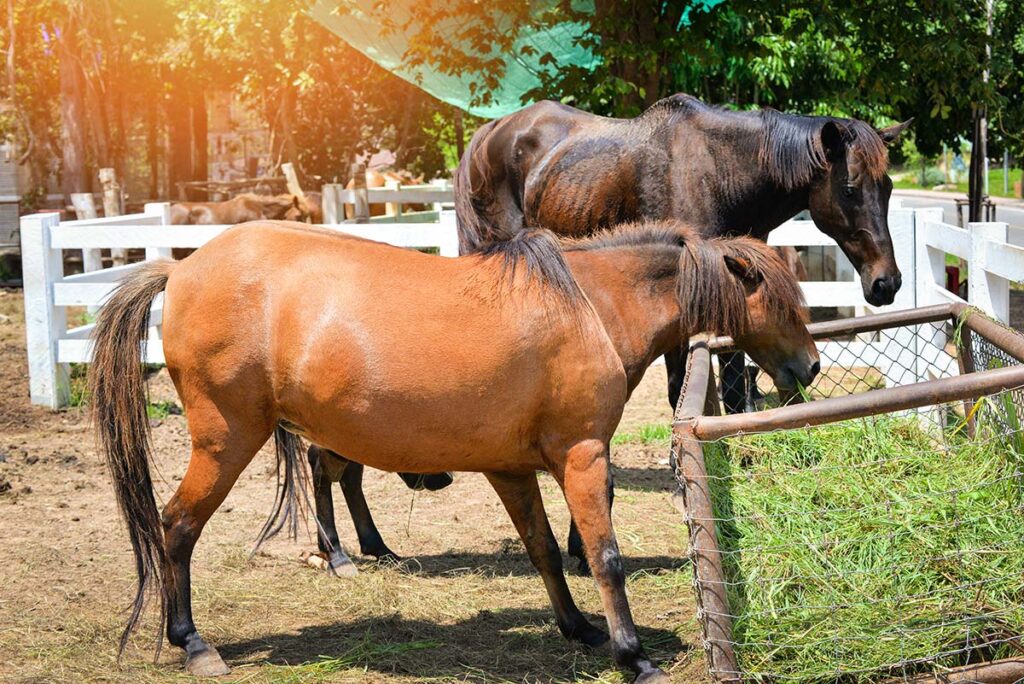
Managing chronic laminitis in horses calls for a proactive approach.

Learn about two different and unrelated processes that present as firm swellings in the horse’s pastern region.

Arthritis-related lameness can range from subtle slowing to obvious limping. Veterinary evaluation helps guide management to keep horses comfortable.

Watch for signs of these 5 health conditions when you’re trying a horse to buy, and talk to your veterinarian about any concerns.

A horse’s topline can reveal clues about his overall health. Learn what causes topline loss and how to help your horse rebuild muscle.
Equine protozoal myeloencephalitis (EPM) can cause devastating neurologic illness in horses. Here’s what veterinarians know about how to diagnose, treat, and prevent EPM, and where the research is headed. Sponsored by Kentucky Performance Products.