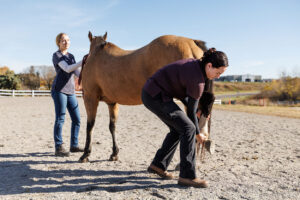
Look for Multiple DDFT Lesions in Injured Horses
Deep digital flexor tendon injuries, especially those in the pastern area, rarely act alone.

Deep digital flexor tendon injuries, especially those in the pastern area, rarely act alone.

Researchers found acetaminophen is readily and rapidly absorbed, and most of the horses appeared to feel and move better.

A physical therapist and veterinarian discuss potential applications of blood-flow-restriction training, compression therapy, and more in horses.
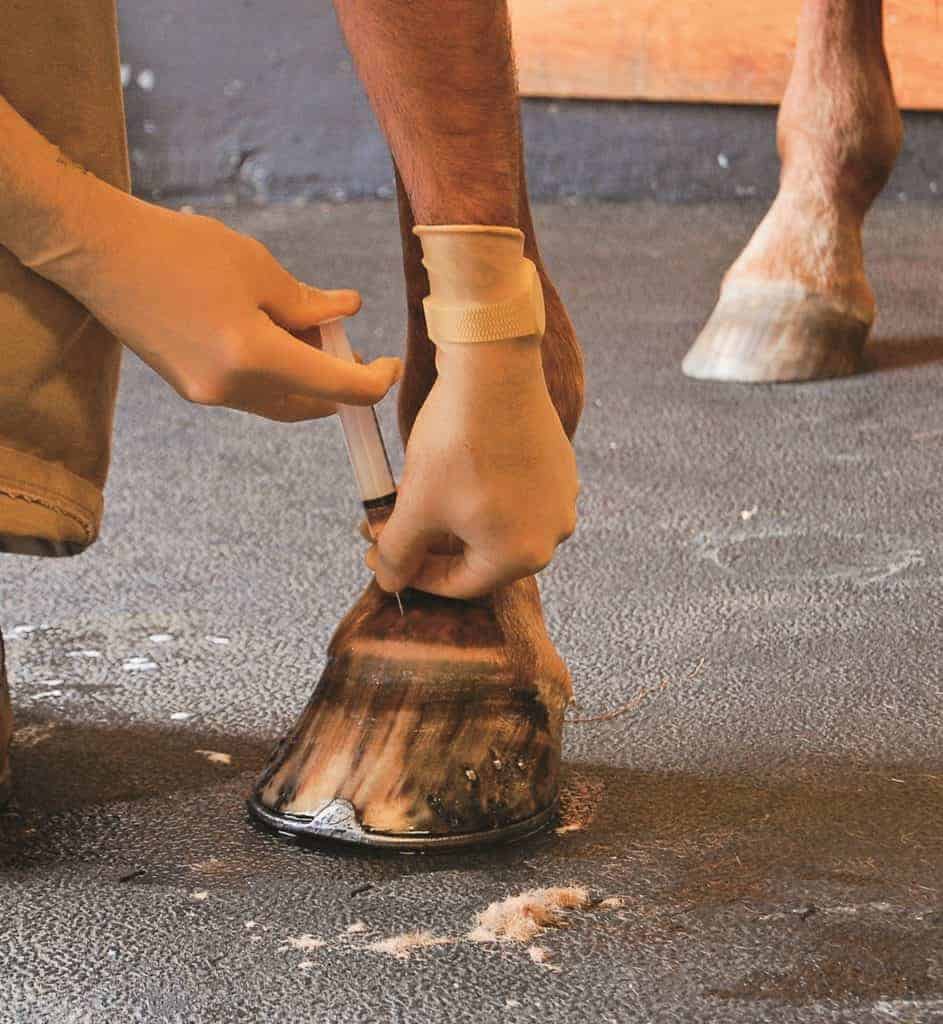
One researcher assessed the impact of environment and antibiotic administration on synovial sepsis rate.

Researchers found the choice of steroid used for sacroiliac joint injections predicted outcomes better than whether the horse underwent a preprocedure ultrasound.

Learn about the technique and timing of this mainstay in conservative management of equine leg injuries.

In this visual guide, learn about the vital hoof structures of the navicular apparatus and what can go wrong with them.

Researchers found sound horses’ movement didn’t change when traveling on straight, flat surfaces after undergoing foot nerve blocks.
Though it goes by several names, the condition is common among horses and frustrating for owners, farriers, and veterinarians alike.

Are you preparing to send your veterinarian a photo of your horse’s most recent injury? Consider these tips first.

Biologics offer an alternative to steroid joint injections for horses with osteoarthritis. Learn how they are derived and work in our veterinarian-approved visual guide. Sponsored by Zoetis.

One researcher assessed the efficacy of four joint supplement ingredients: chondroitin sulfate, glucosamine, Boswellia serrata, and turmeric. Here’s what she found.

Snow and ice during winter can cause footing problems for horses, especially those called upon to do something other than loaf in the pasture or paddock.

Researchers: Understanding the impact of early exercise on growing horses could help prevent bone fractures in the future.

Researchers demonstrated that a recipient horse’s immune system can recognize allogeneic stem cells and stimulate an immune reaction, particularly with repeated doses.

From growing a thick winter coat to producing heat as they digest forage, here’s how horses are inherently designed to cope with cold weather.