Marker Tested for IDing Neurologic Disease in Horses
Veterinarians sought to determine whether phosphorylated neurofilament heavy (pNfH), a protein unique to neurons, could be used to diagnose CVCM, eNAD/EDM, and shivers.

Veterinarians sought to determine whether phosphorylated neurofilament heavy (pNfH), a protein unique to neurons, could be used to diagnose CVCM, eNAD/EDM, and shivers.

Researchers investigated how the novel surgical technique improved lameness and radiographic appearance in subchondral cystic lesions of the medial femoral condyle.

Researchers used CT scan and microscopic exam to characterize anatomical findings of the lumbosacral spine and document any damage or disease.

Researchers used PRP-L to treat joint infections caused by the common bacterium Staphylococcus aureus, with encouraging results.

Is your horse’s annual wellness exam comprehensive? Learn about common wellness steps and how your veterinarian can help you address and correct problems you might encounter.

A new European study has shown that Lusitanos had few OA lesions on radiographs, and when they did, the lesions were relatively minor.

Researchers confirmed using resistance band systems, balance pads, and dynamic mobilization can help improve spinal muscle characteristics and postural stability.

Neurologic examinations in foals are easy to perform and provide useful information about the neonate’s overall health status.

Researchers tested pooled platelet-rich plasma lysate as a unique anti-inflammatory approach to joint preservation on lab samples.
Researchers explored the ability of bone marrow mononuclear cell (BMNC) therapy to improve lameness, with good results.

Scientists are rapidly homing in on the specific areas of the equine genome linked to this debilitating condition.

Computed tomography creates cross-sectional, 3D images to help veterinarians diagnose a variety of equine injuries and lamenesses.

Lame horse? Advanced diagnostic and management strategies for navicular syndrome have improved long-term outcomes.

By cutting the DDFT, veterinarians can stop one of the forces that pulls on the coffin bone during laminitis.

To help horse owners better understand MRI, we’ve scoured our archives and collected 10 resources about this diagnostic modality and some of the ailments it can help identify, all available to you free on TheHorse.com.
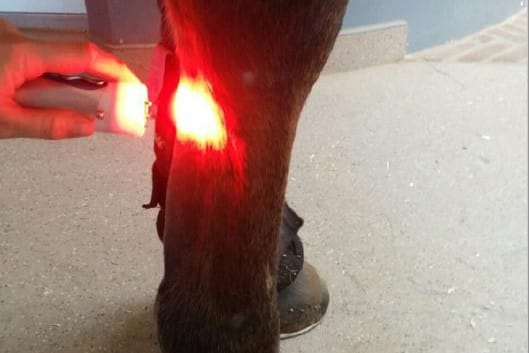
In a standardized-lesion-induced model, veterinarians found high-powered laser significantly reduced enlargement of lesions on ultrasound and increased signs of healing on Doppler and MRI.