Baled Hay vs. Pellets: What’s Best for My Horse?
Considering a switch? A nutritionist weighs the benefits and drawbacks of feeding horses pelleted hay.

Considering a switch? A nutritionist weighs the benefits and drawbacks of feeding horses pelleted hay.

A reader’s senior Thoroughbred lost weight during the winter. Our equine nutritionist suggests simple ways to increase his body condition.
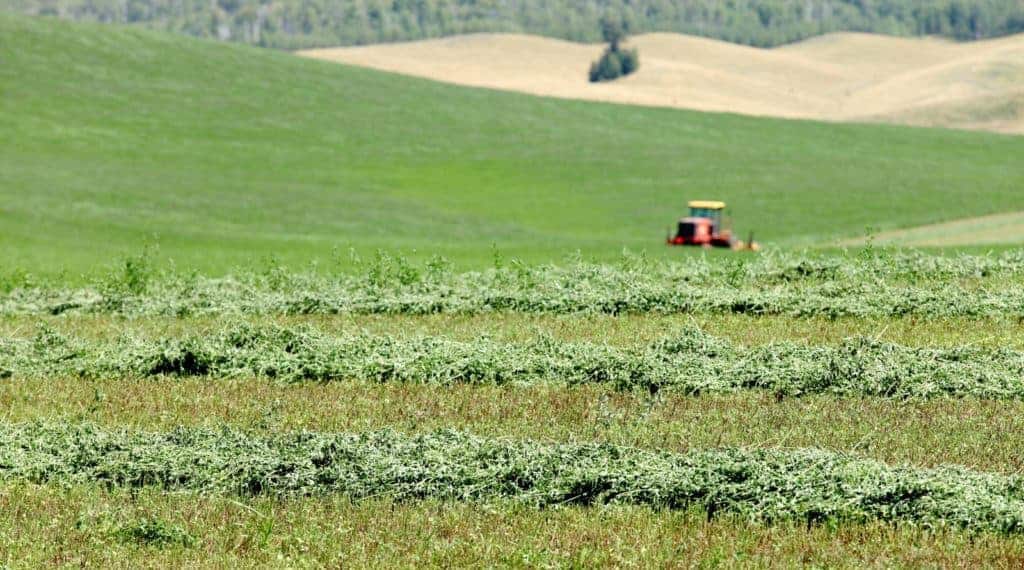
Have you ever wondered how hay gets from the field to your horse’s feeder? Find out in our slideshow.

Chia is calcium-rich, but inverted calcium-to-phosphorus ratios can cause horses big problems. Here’s what to know.

Your horse came out of winter in good body condition. Find out how can you keep that trend going as the grass greens.
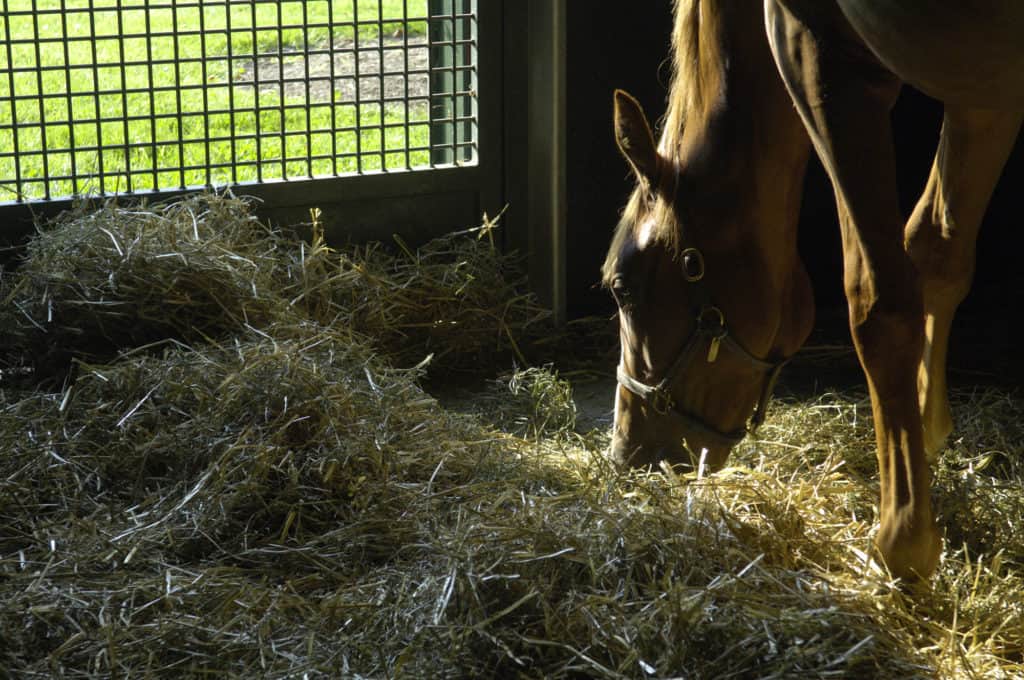
Management strategies include inhaled corticosteroids and environmental changes such as steaming hay.

Why do horses dunk their hay while eating? Our equine nutritionist offers several ideas and suggestions.
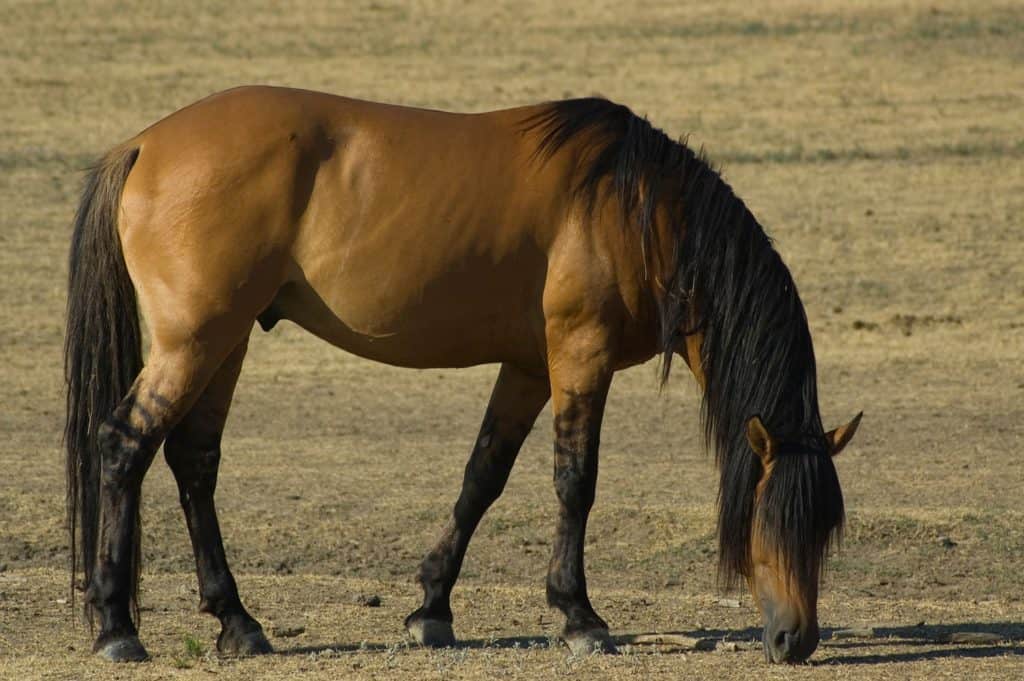
Our equine nutrition expert (and past mustang owner!) offers advice about feeding easy-keeping mustangs.
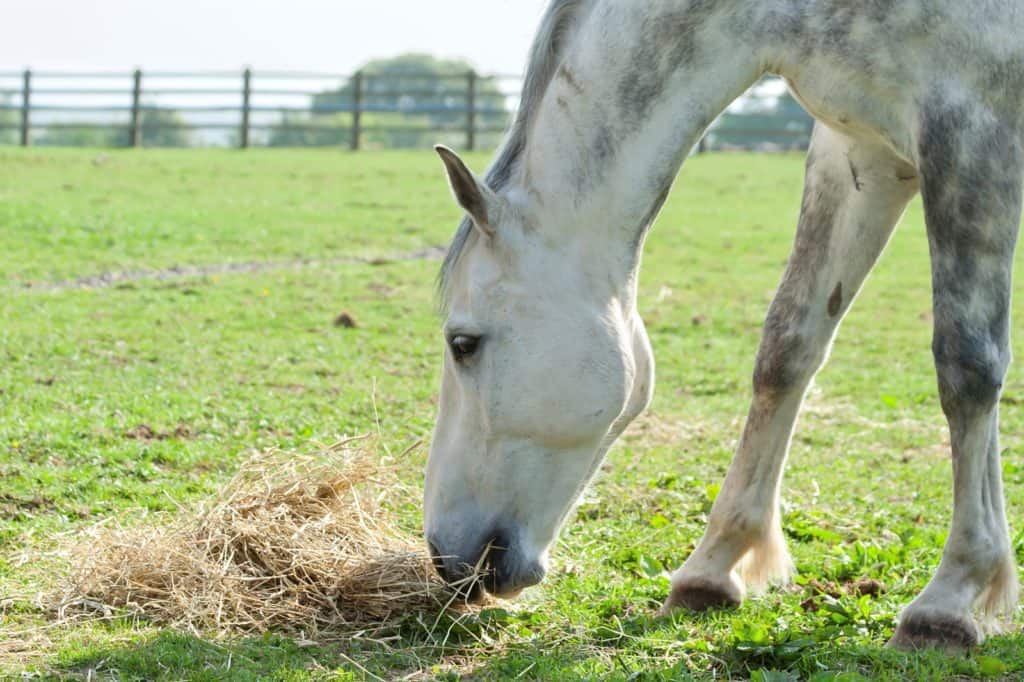
What do you do if you can’t get to the barn to supplement your horse every day? A nutritionist offers advice.
The Horse spoke with the farm owner. Learn from her firsthand experience, and find out how to protect your horses.

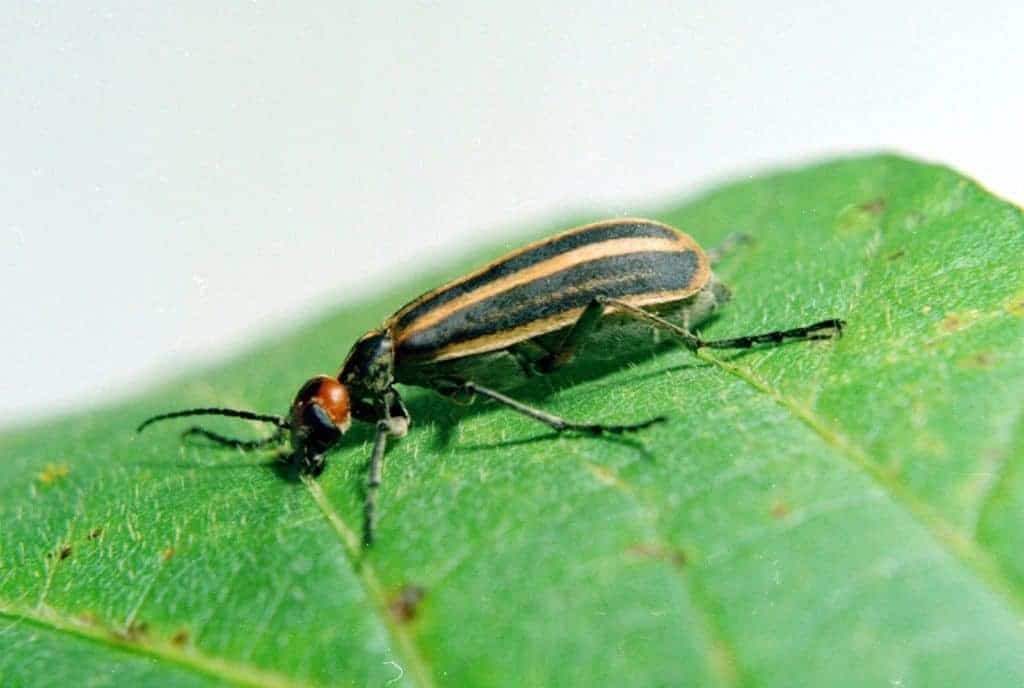
Blister beetles in alfalfa can be deadly. Here’s what to watch for and how to keep your horses healthy.

Dr. Clair Thunes gives tips for feeding asthmatic horses and ways to reduce their exposure to barn dust.

Buying hay and feed in bulk quantities can save money up front. Find out how long you can store hay, grains, and feed.

Confused about your horse’s diet? We’re here to help. Here’s how to craft the proper hay and grain ration.

Getting to the root of a less-than-ideal feeding regimen requires evaluating the horse, the human, the forage, and the grain or concentrate.
Nutrition changes, high-carb diets, and more: Discover the nutritional factors that can cause loose stool in horses.