Feeding Horses Forage Post-Colic Surgery Improves Outcomes
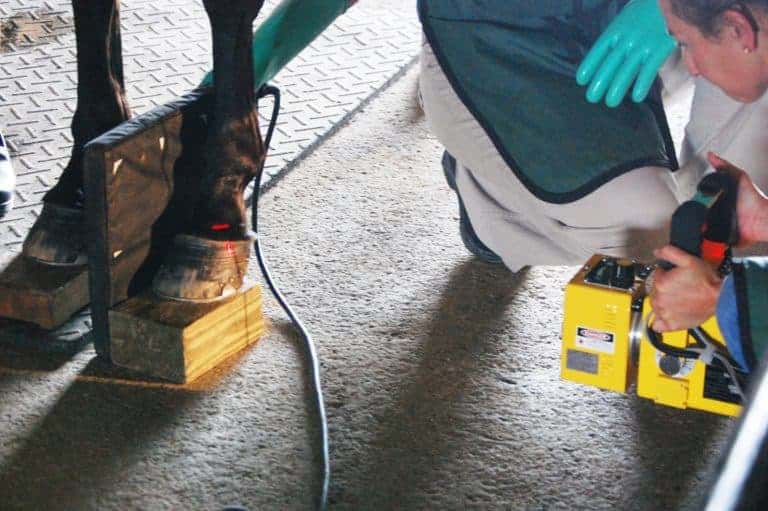
Researchers found providing handfuls of forage to horses within hours after colic surgery improved gut healing.

Researchers found providing handfuls of forage to horses within hours after colic surgery improved gut healing.
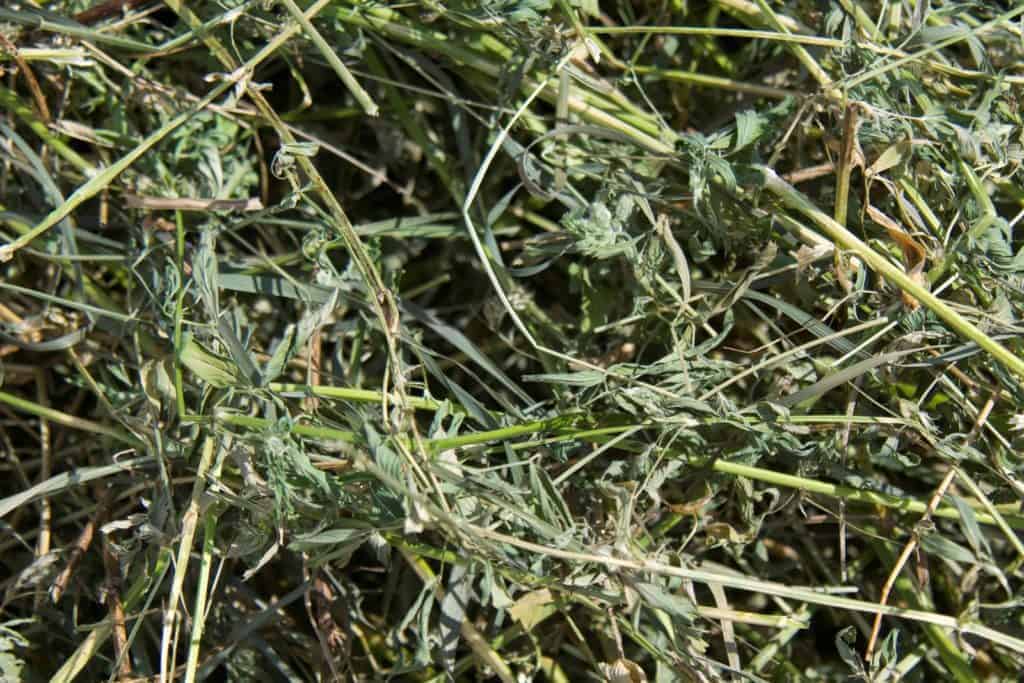
Is it okay to feed a growing 3-year-old horse alfalfa hay? An equine nutritionist weighs in.

Careful dietary consideration can help make an OTTB’s transition from racehorse to pleasure or sport horse easier on his digestive system.
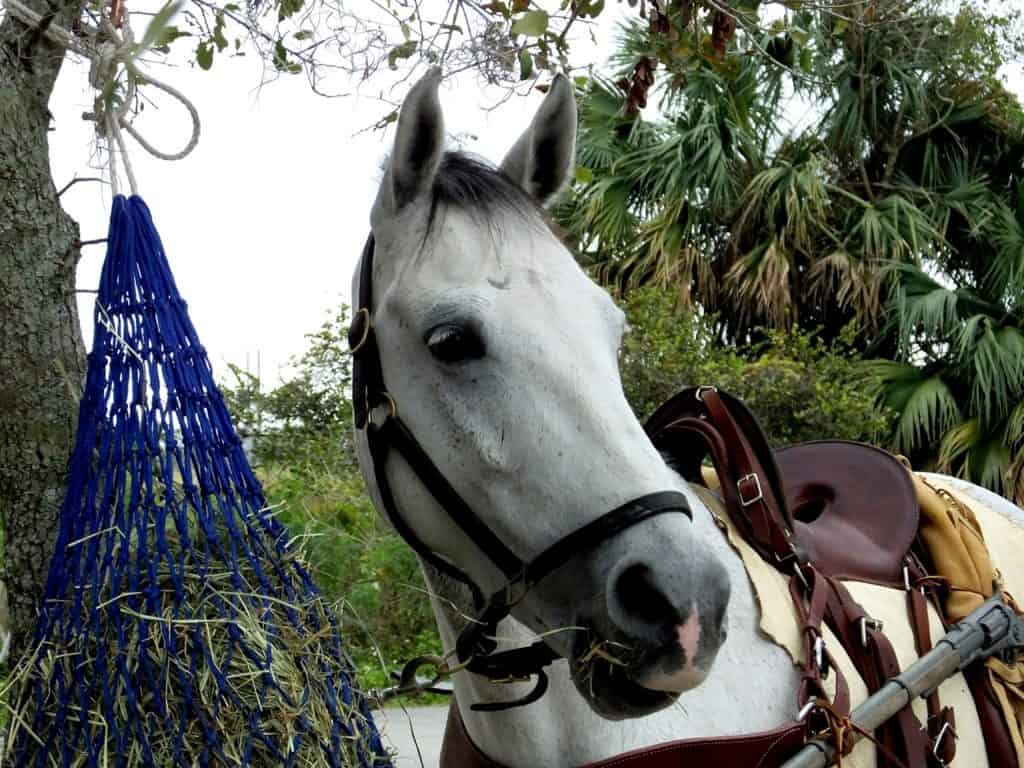
Riding and camping in wilderness areas can present challenges for feeding your horse. Here are some tips.

Read about research into increasing the time horses spend eating (a good thing) without feeding them too much (a bad thing), along with more take-homes from the 2019 Equine Science Society Symposium.
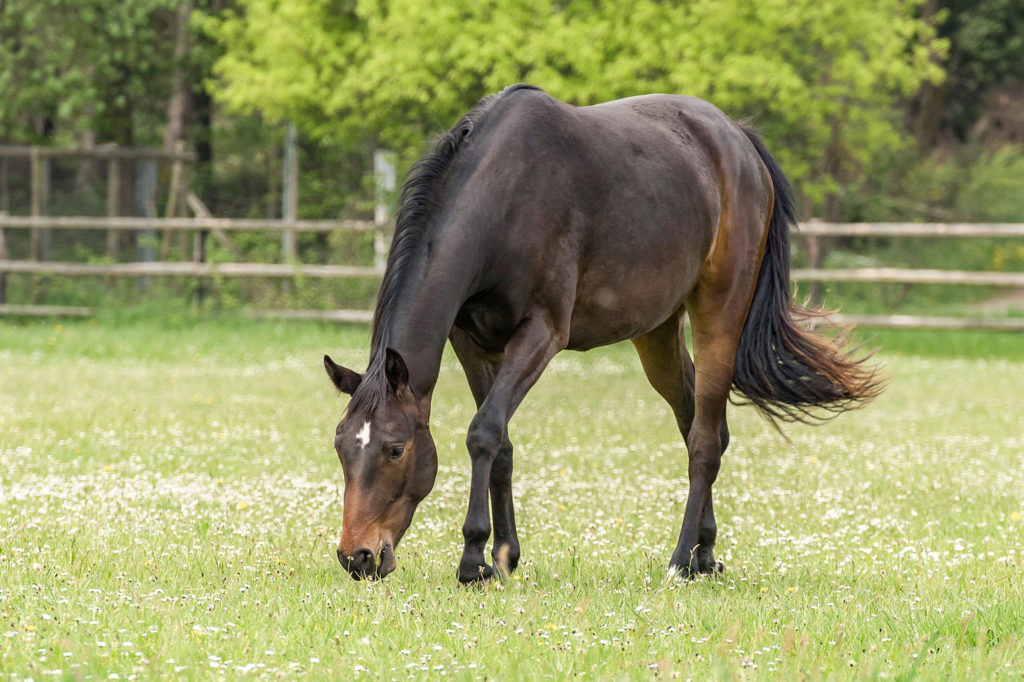
Horses with grassy turnouts graze all day, so they don’t need extra forage when they’re stalled at night, right? Not so fast, our nutritionist says. Here’s why.

With routine blood work and a strategic supplementation protocol, you can help your horse avoid the negative consequences associated with vitamin E deficiency. Here’s how.

Pay close attention to and never ignore possible red flag indicators that arise when considering or visiting horse boarding barns. Here are some of the issues potential boarders might encounter.
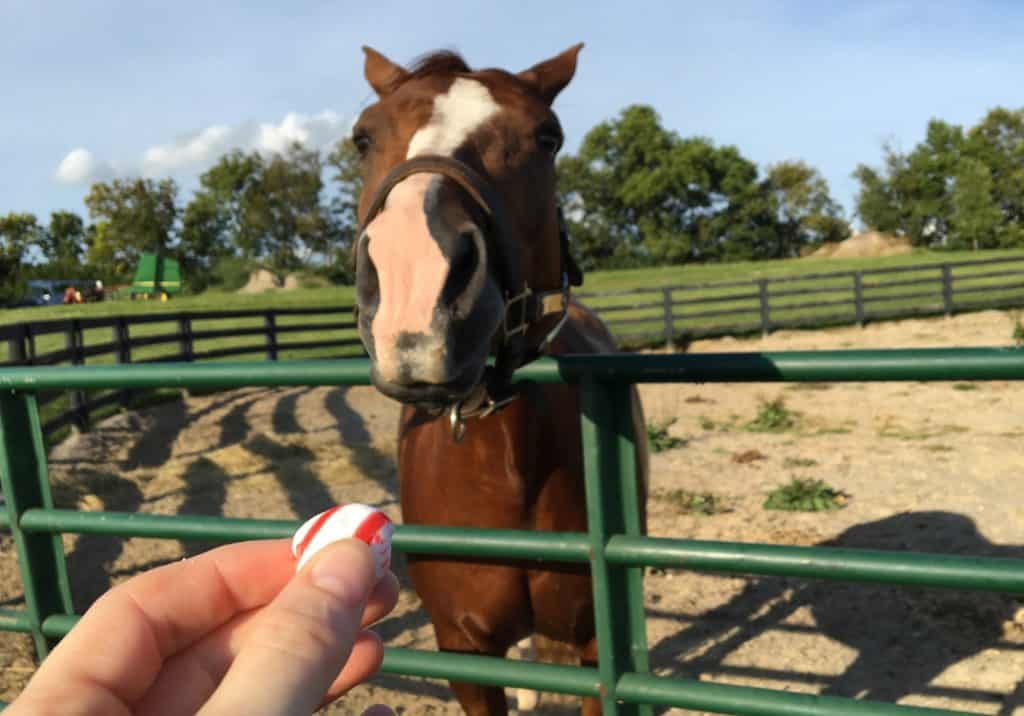
Will giving my horse peppermints offset the hard work we’re doing to help her lose weight?

Independent equine nutritionist Dr. Clair Thunes shares basic guidelines for feeding horses enough calories and what factors might influence your horse’s caloric needs.

Veterinarians often prescribe medications to control acute and chronic clinical signs of disease, along with recommending environmental changes to limit asthmatic horses’ exposure to inhaled allergens. What do owners think of these sometimes time-consuming and expensive suggestions?

Moving north for the summer or south for the winter with horses can make feeding them a consistent diet challenging. An equine nutritionist offers tips to ease the transition.

An independent equine nutritionist answers horse owner questions on forage, feed concentrates, fats, supplements, and more.
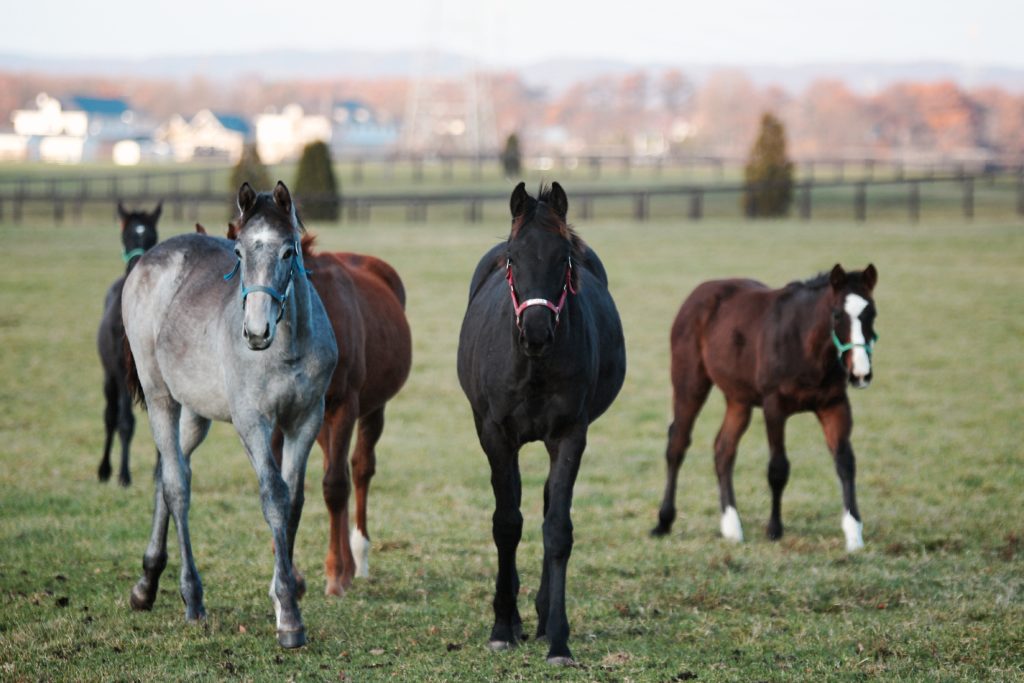
High-carb diets can put weanlings at risk for developmental orthopedic diseases. Could these horses get by on high-forage, low-concentrate diets?

In a year where supplies are tight, hay at two University of Kentucky Cooperative Extension Service auctions sold for nearly double the typical price.
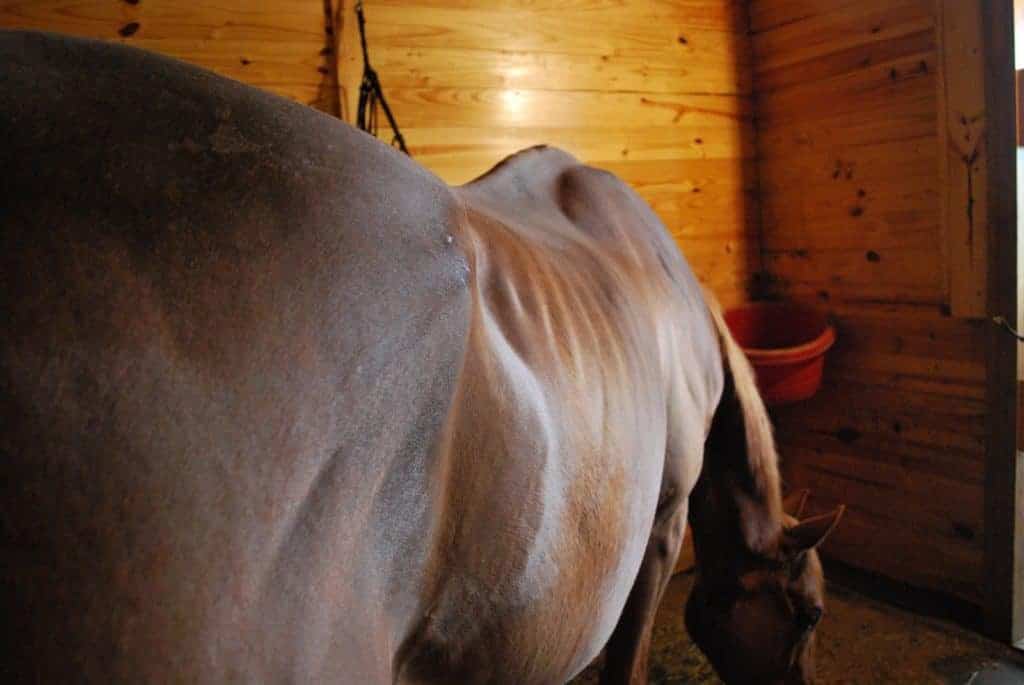
Health conditions, management changes, and palate preferences can affect a horse’s appetite.