Feeding the Orphan Foal
Orphan foals raised with a correct balance of nutrients and monitored for growth, food consumption, and weight gain can be every bit as tall, strong, and athletic as foals raised by their dams.

Orphan foals raised with a correct balance of nutrients and monitored for growth, food consumption, and weight gain can be every bit as tall, strong, and athletic as foals raised by their dams.

In a year where supplies are tight, hay at two University of Kentucky Cooperative Extension Service auctions sold for nearly double the typical price.

The information on your youngster’s feed tag is designed to help you make important feeding decisions.
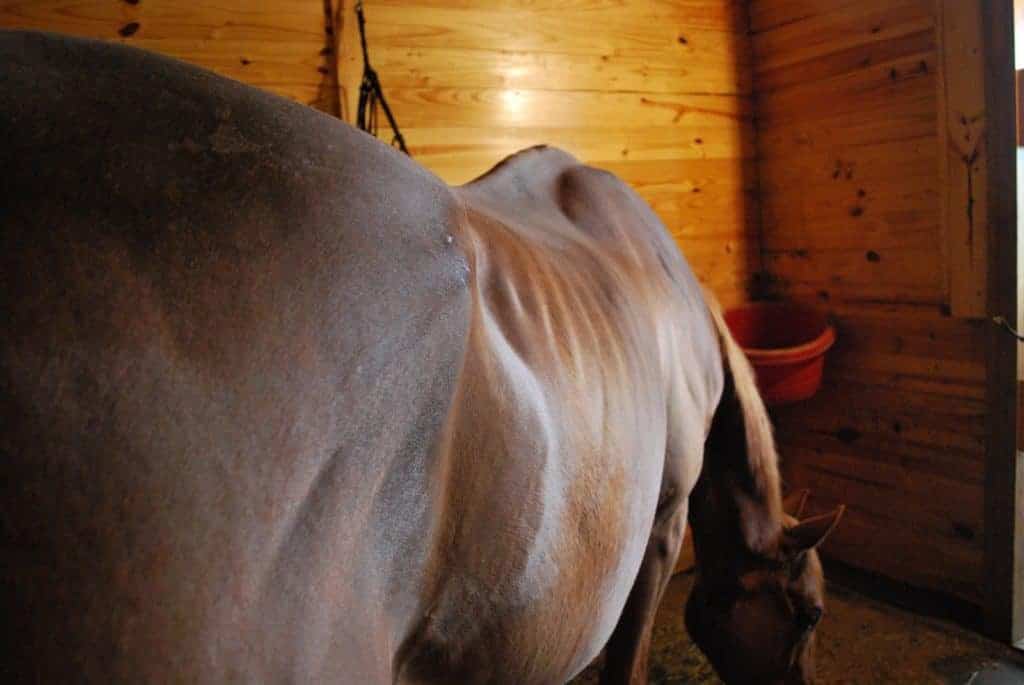
Health conditions, management changes, and palate preferences can affect a horse’s appetite.

Equine nutritionists share details about how your horse’s feed is made and what quality controls are in place to ensure he’s consuming a safe product.

These feeds are designed to boost horses’ calorie intake and meet additional nutrient needs that increase with work.

Available forages for horses vary by region and season. Here’s a look at some of the most common.
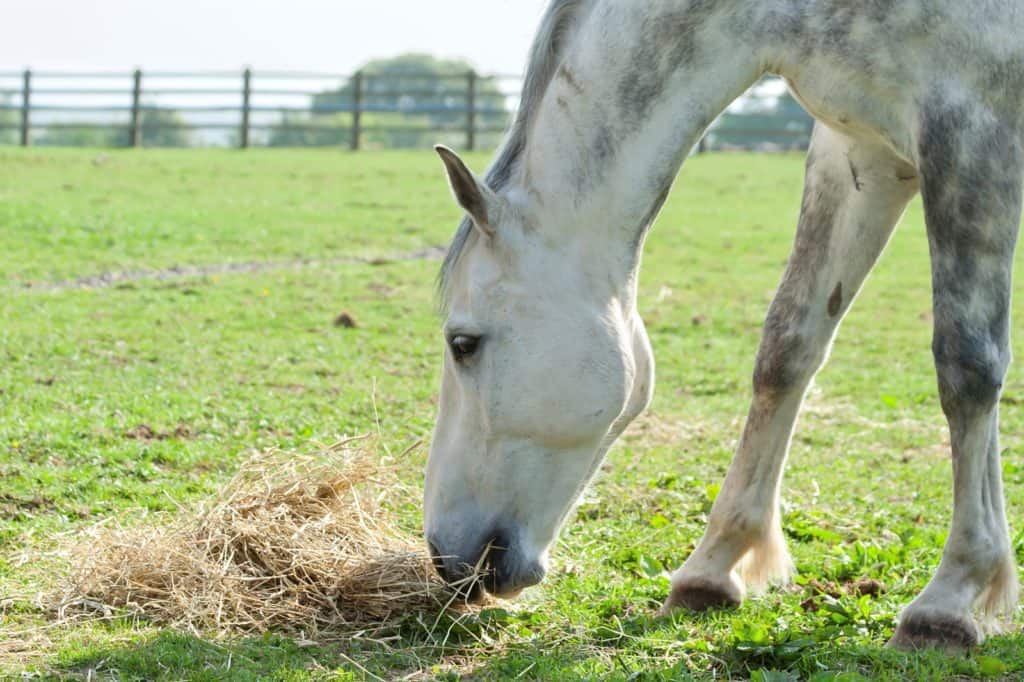
Your old horse’s rations might not need to change just because he’s got a few more gray hairs around his eyes. Still, owners should consider some key points when feeding their seniors.

Riding before your horse gets fed could put him at risk for gastric ulcers. Find out why.

Feed your roly-poly pony the way Nature intended to prevent obesity-related diseases such as laminitis and equine metabolic syndrome.

Learn more about alfalfa and whether this leafy green legume is a good choice for your horse.

A performance horse’s diet must supply all the energy to remain at his best. But achieving that can be easier said than done. Here’s what to remember.
Scientists are working to decide whether to update the National Research Council’s Nutrient Requirements for Horses and, if they go ahead with a revision, you might be able to help. Here’s how.

Any good feeding program meets the nutrient needs for the animal, maintains a healthy digestive system, and offers feeds of the highest quality. Does your horse’s diet include the required nutrients?

Are your horses getting the nutrition they need? Find out during Equine Nutrition Awareness Month, brought to you by The Horse and ADM Animal Nutrition.

A reader’s first-cutting hay brought in right from the field feels a bit damp. Our nutritionist explains why she should be cautious and how to tell if the forage is safe to feed her horses.