Maximize Forage Time Without Overfeeding
Read about research into increasing the time horses spend eating (a good thing) without feeding them too much (a bad thing), along with more take-homes from the 2019 Equine Science Society Symposium.

Read about research into increasing the time horses spend eating (a good thing) without feeding them too much (a bad thing), along with more take-homes from the 2019 Equine Science Society Symposium.
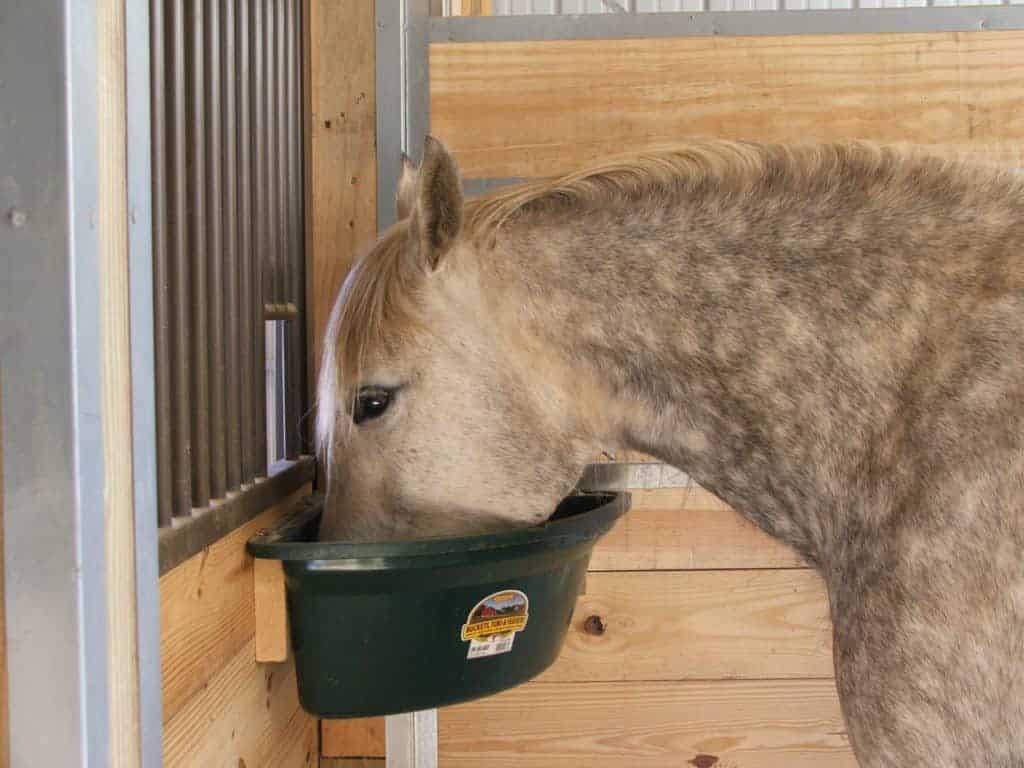
What flavors do they like? Find the answer and read other nutrition tidbits from the 2019 Equine Science Society Symposium.

Surgeon Dr. Anthony Blikslager shares his perspective on preventing horse colic.
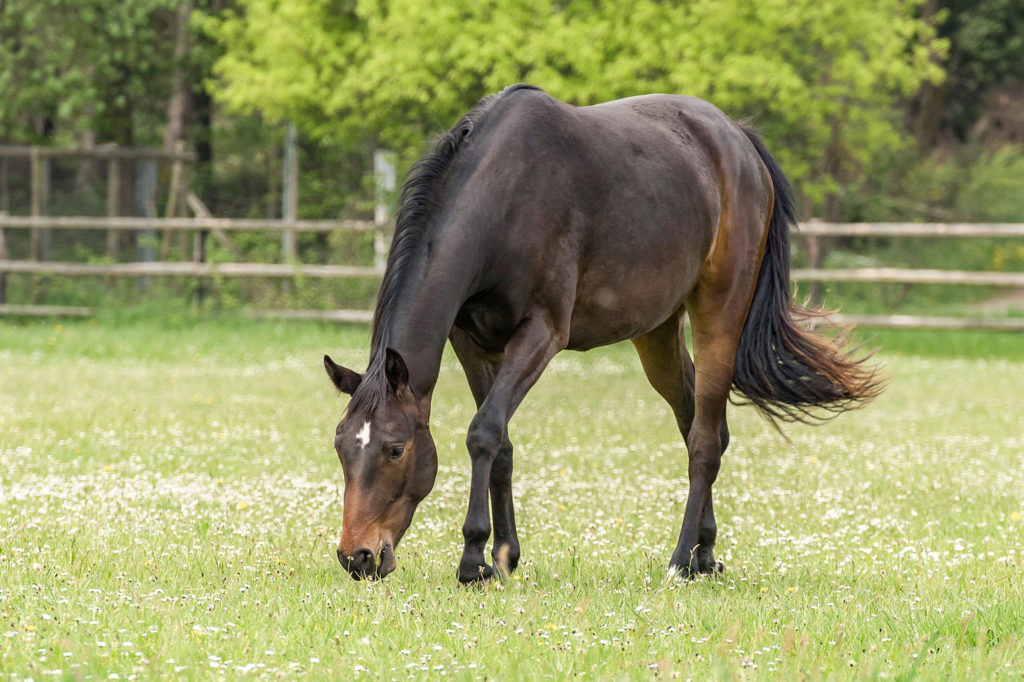
Horses with grassy turnouts graze all day, so they don’t need extra forage when they’re stalled at night, right? Not so fast, our nutritionist says. Here’s why.

Researchers recently found that, despite what can be an arduous first year of transition, healthwise, owners are overwhelmingly very satisfied with their horses and most said they’d buy an OTTB again.

Cargill is voluntarily expanding its livestock and horse feed recall due to elevated aflatoxin levels. The original recall was initiated May 6.

Do fish help keep horse water tanks clean? Maybe not, our nutritionist says, but they might have other benefits. Here’s why.

With routine blood work and a strategic supplementation protocol, you can help your horse avoid the negative consequences associated with vitamin E deficiency. Here’s how.
Some severe headshaking cases that are resistant to existing treatments and can significantly compromise a horse’s quality of life. But researchers have recently determined that a supplementation regimen could help.

Pay close attention to and never ignore possible red flag indicators that arise when considering or visiting horse boarding barns. Here are some of the issues potential boarders might encounter.

What are aflatoxins, how do they end up in livestock feed, and are they dangerous to horses? Our equine nutritionist explains.
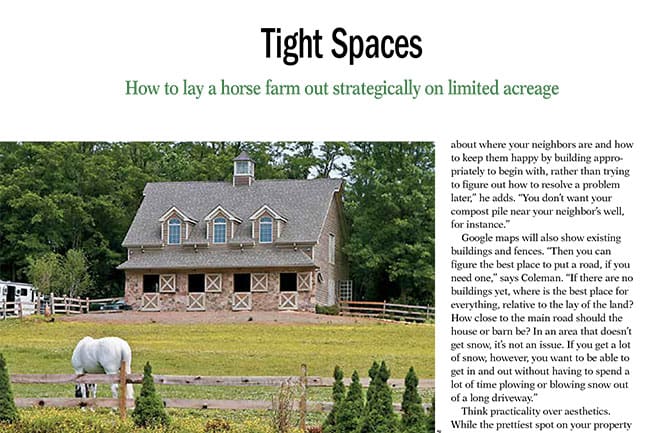
When you’re constructing a horse farm and have limited land, design and layout are critical to maximizing your time and resources. Download this free report for tips on how to design a functional farm on what land you have.
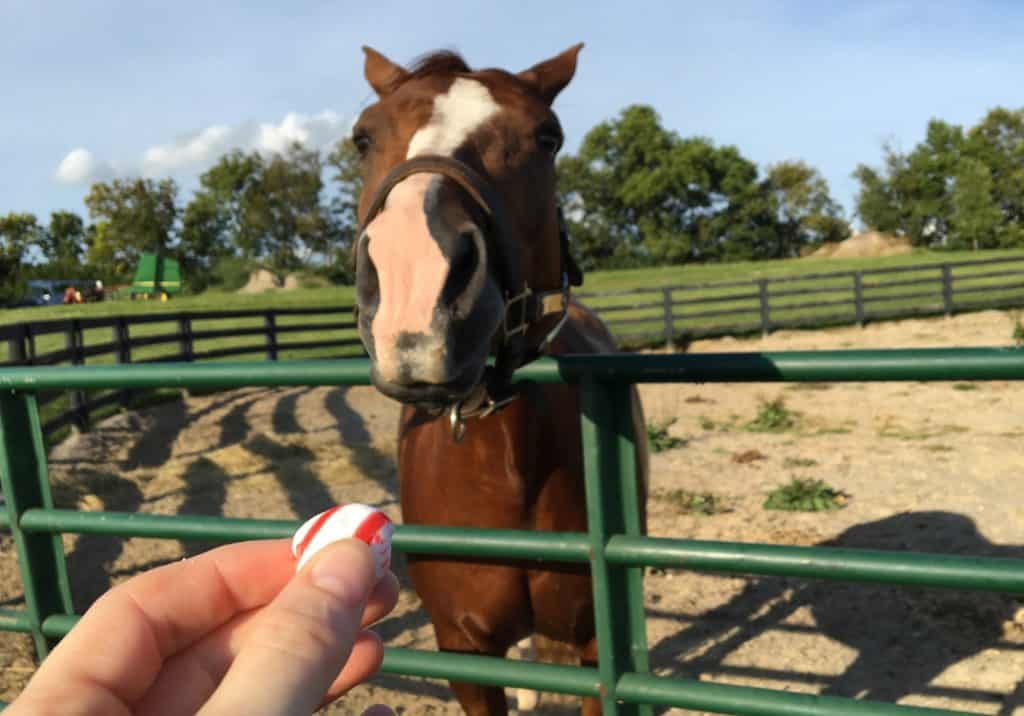
Will giving my horse peppermints offset the hard work we’re doing to help her lose weight?

Apples are a token equine treat, but could they be toxic? While it’s unlikely, our nutritionist still says to use caution when feeding fruits to horses.

Are you looking for an economical option to make sure your easy-keeping horse is getting the nutrition you need? Dr. Clair Thunes suggests trying a ration balancer.

Dr. Clair Thunes shares information about how blood tests can help ensure your horse is getting the nutrition he needs.