Preparing Horse Farms for Winter Weather Disasters
Plan ahead to keep family, employees, and horses safe during a winter weather disaster.

Plan ahead to keep family, employees, and horses safe during a winter weather disaster.

Some horses that consume monensin eventually recover—a few even return to work—but it hasn’t been clear how toxicity impacted their hearts and subsequent athletic performance. Here’s what researchers learned.

Round broodmares grazing on lush pastures might make an idyllic picture, but danger could lurk in the grass. Download this special report to learn more about fescue toxicosis, its cause, prevention, and available treatment.

If economics were not a factor, what would you include in your dream horse barn? Here are some amenities owners have put on their barn wish lists, plus input from a horse owner with experience in both commercial and equine construction industries.
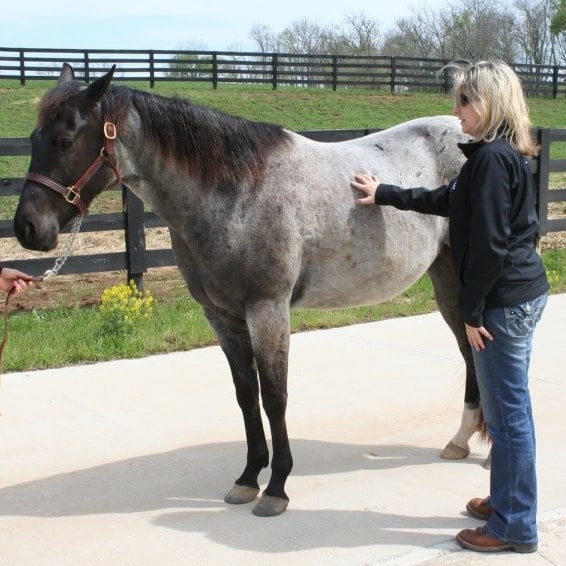
As we understand more about the impact that obesity and emaciation have on equine health, it is imperative that we strive to keep our horses at an optimum body condition.

Horses need access to fresh and unfrozen water during the winter months. Here’s what to remember.
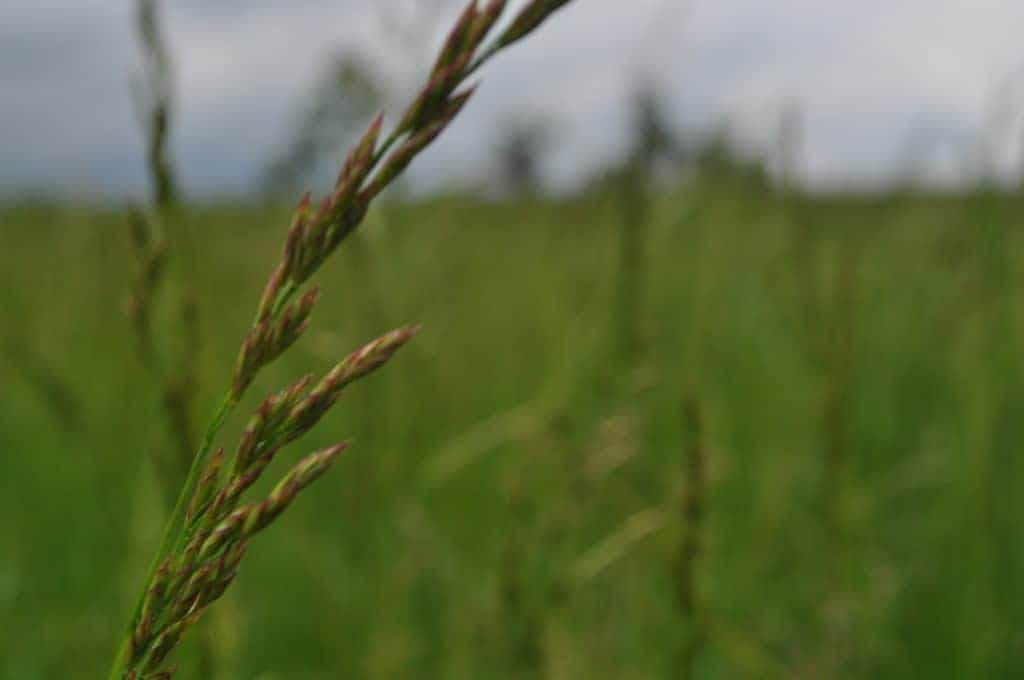
Tall fescue is one of the most widely grown perennial grasses in the world and covers approximately 37 million acres in the United States alone. But some varieties can be detrimental to horses. Here’s what you need to know if you have tall fescue in your pastures.

Weanlings should grow steadily and moderately as rapid weight gain could put them at risk for developmental orthopedic diseases. Three experts share their tips for achieving appropriate growth via nutrition.
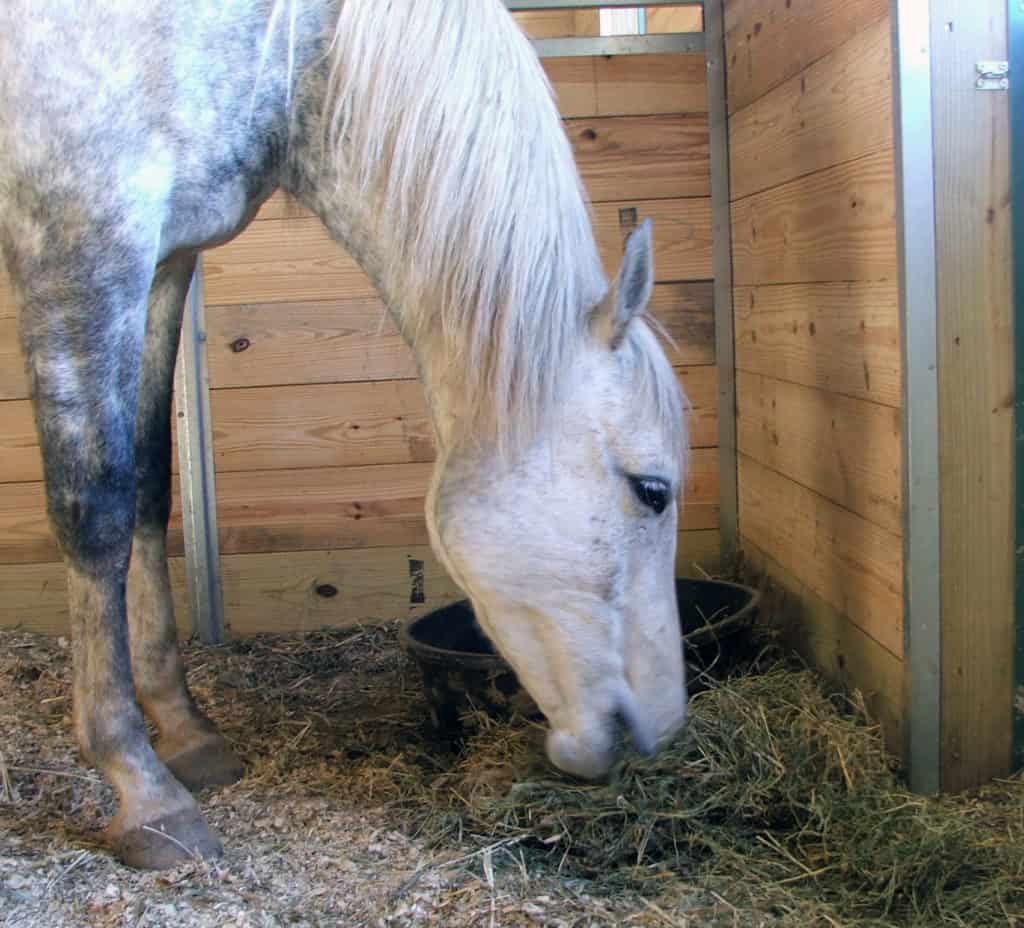
Acid detergent fiber and neutral detergent fiber measurements can help you decide if hay is good for your easier keeper, broodmare, or growing foal.
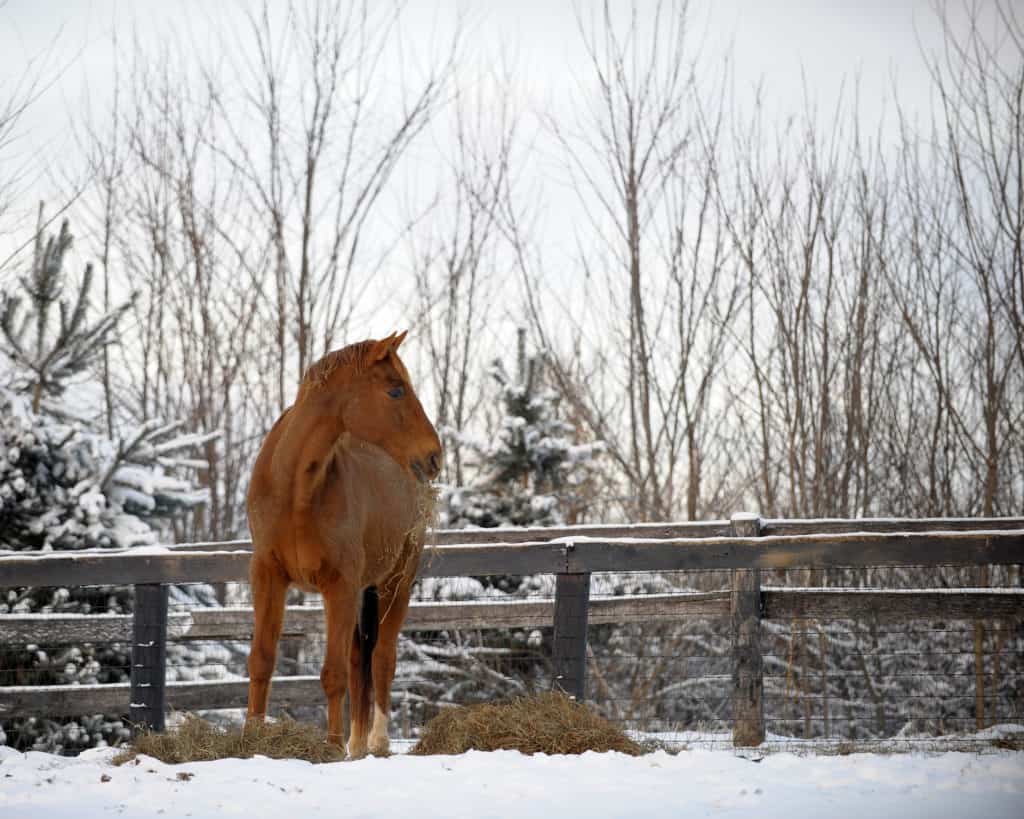
It’s one of the most common questions an owner asks: What should I feed my horse? Equine nutritionists look both to research and their own experience to find an answer, but oftentimes the most appropriate one is, “Well, it depends.” Here are some points they might take into account.

Commentaries on cleaning feed buckets, botulism, beet pulp, hay, and more were popular in 2018.

When it comes to feeding your horses, don’t make the same mistakes you’ve made in the past in the new year.

Ensure horses have adequate shelter, water, dry bedding, and feed when temperatures drop.
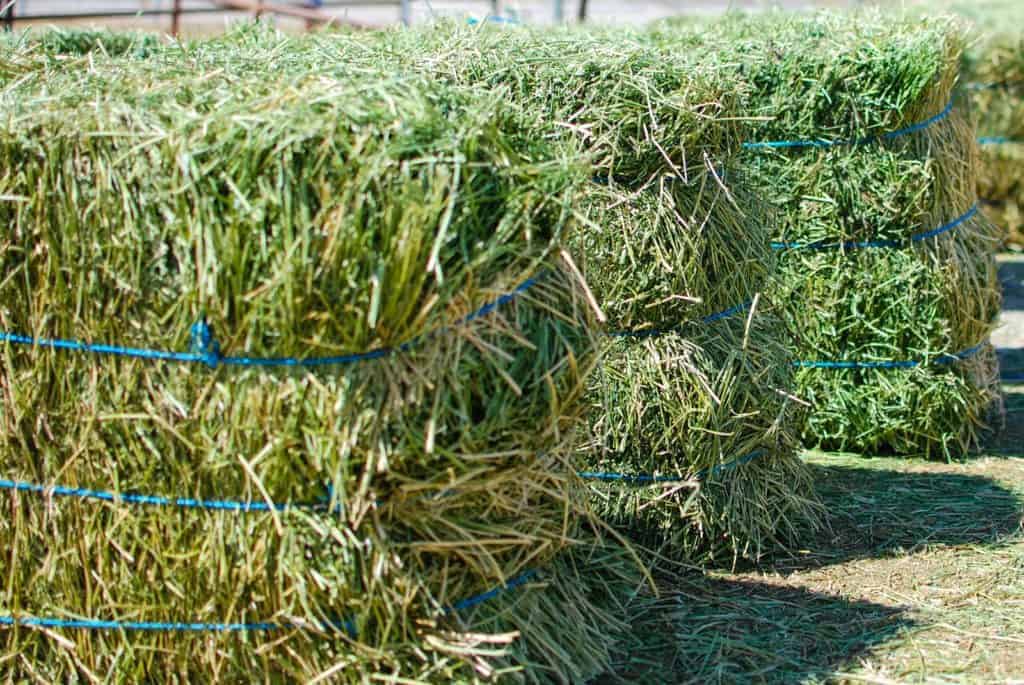
Articles on laminitis, alfalfa, horse/human interaction, and hoof problems were among the most-read in 2018.
Being well-prepared for colic could mean the difference between life and death for your horse. Here’s what you need to know.

When during gestation should a pregnant mare’s diet change? An equine nutritionist weighs in.