Tips for Producing High-Quality Alfalfa Hay for Horses
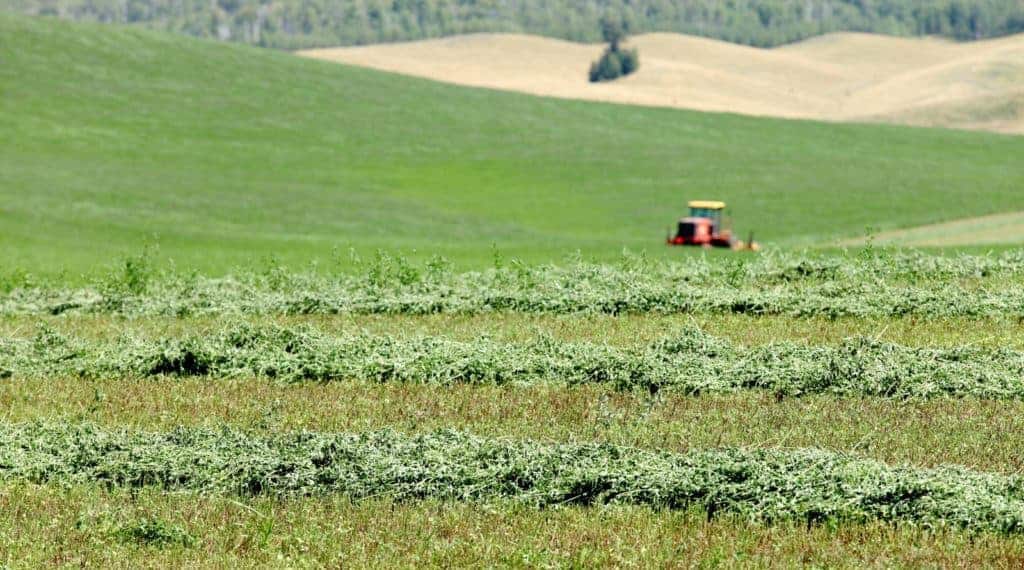
When harvested correctly, alfalfa is a high-quality source of protein and calcium for horses.

When harvested correctly, alfalfa is a high-quality source of protein and calcium for horses.
A trainer asks how to classify her horses’ workload when considering their nutritional needs.

How to unravel the reason behind your horse’s head-scratching weight loss.

Phosphorus is the second most abundant mineral in the horse’s body; about 80% of it is found in horses’ teeth and skeleton.

Bales aren’t the only hay option. Here’s some information about different hay forms horse owners can consider.

A high-fat, high-fiber “museli” mix appeared to supply sports ponies with enough energy to perform well and maintain body condition while reducing blood glucose levels after meals, potentially reducing their risk of metabolic disorders.

Researchers know that feeding horses ground endophyte-infected tall fescue results in palmar artery vasoconstriction, so scientists tested whether broodmares could experience decreased blood flow to the uterus, which could negatively impact their foals.

Researchers had hypothesized that haylage would produce a lower insulin response than hay, as the sugar in haylage is partially fermented and could result in a less-pronounced insulin response.

Our nutritionist looks at whether all-pellet diets are good for horses.

Researchers found that 58% of responding hospitals said they consult a nutritional adviser about feeding their patients and 21% reportedly feed all patients the same type of feed.

Young growing horses, late-gestation broodmares, and lactating mares have higher calcium requirements than the average mature horse.
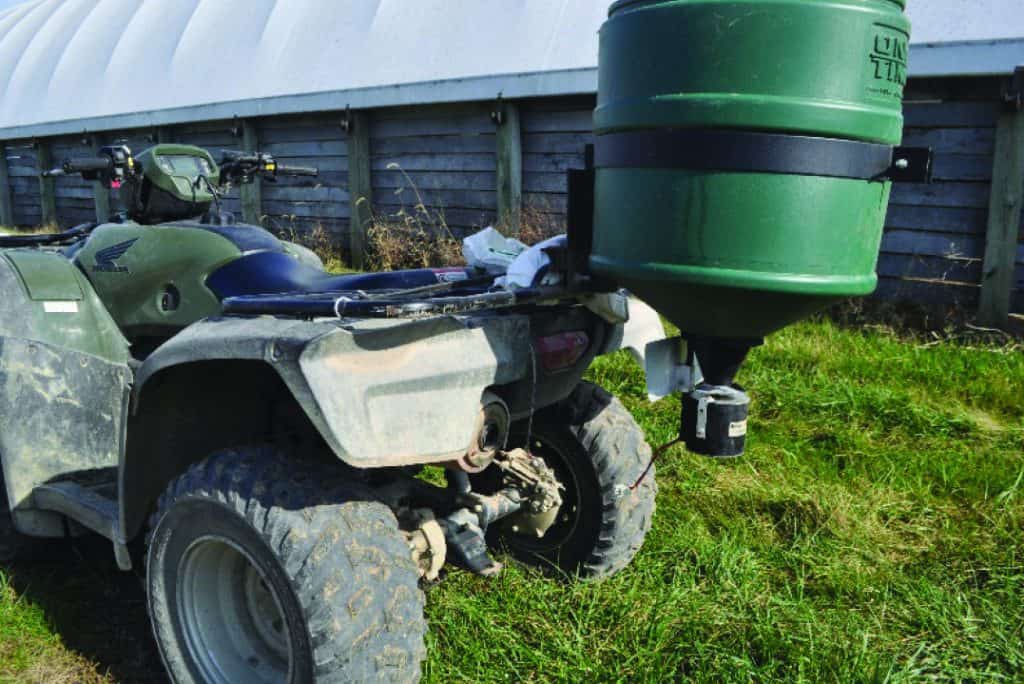
Fall is prime time to invest in pastures to protect them before and throughout the winter to ensure good grazing in the spring.

Find out which horses are at the highest risk for feed-related choke and what you can do to reduce that risk.

Evacuating horse owners aren’t the only ones that should prepare in advance. Here’s what farm owners opening their facilities to displaced horses should know.
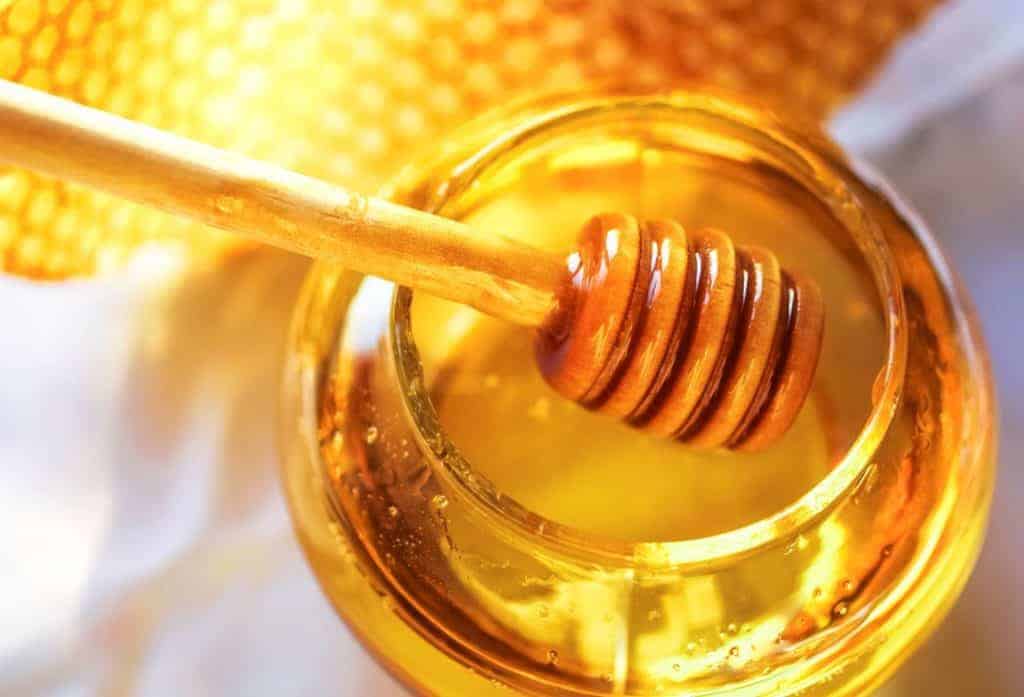
Including honey in the equine diet is common in some countries, but is it safe?

Switch your horse’s feed type or amount gradually to minimize his risk of digestive upset. Plan any nutrient-dense dietary changes carefully to avoid health problems such as colic or laminitis and to allow for maximum nutrient digestion.