Understanding Horse Hay Analysis Results
Hay analysis can help owners better balance their horses’ diets and meet nutritional requirements.

Hay analysis can help owners better balance their horses’ diets and meet nutritional requirements.
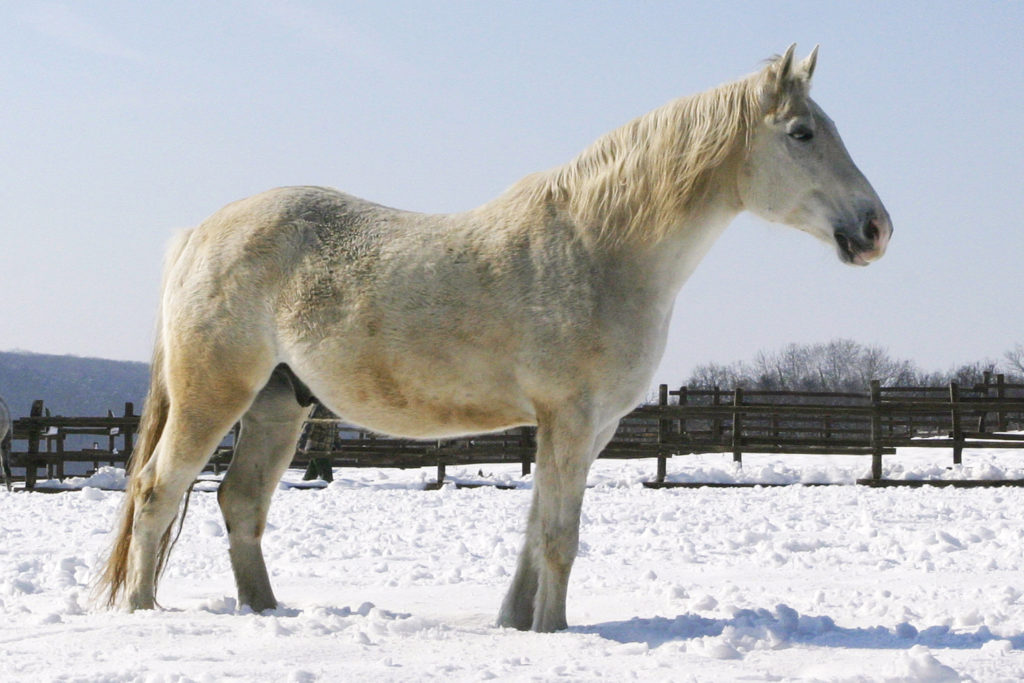
With proper care, senior horses can prosper. Here are a few points to consider.
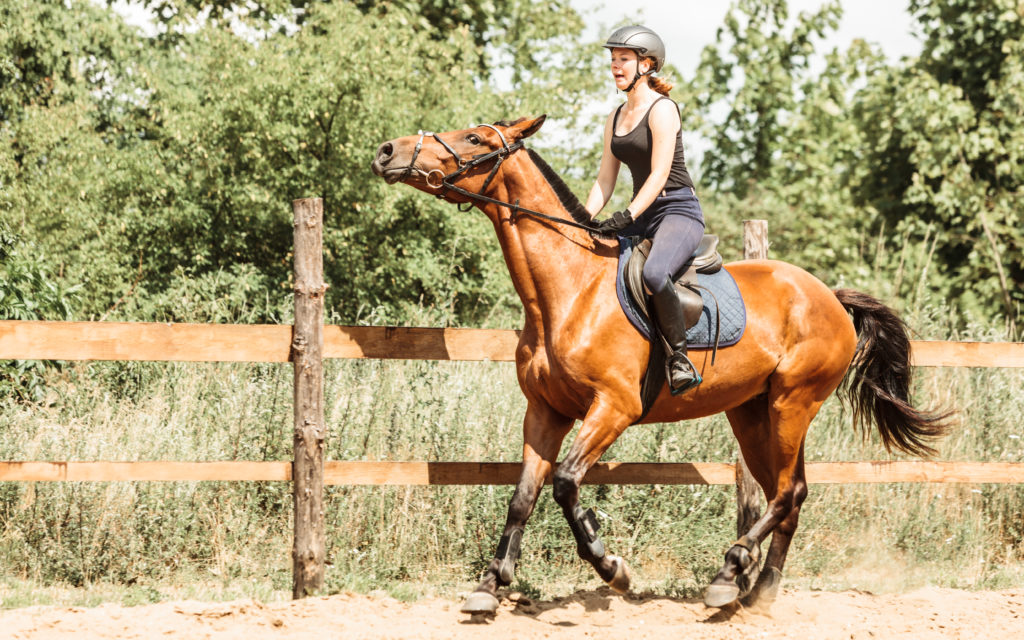
While diet can indeed contribute to a horse being energetic, it’s not the only cause. Our nutritionist shares her thoughts.

Fats serve many important functions for horses, from increasing calorie consumption to reducing gastric ulcer severity.

From hydration to irrigation, learn how to combat challenges that come with caring for horses in arid climates.
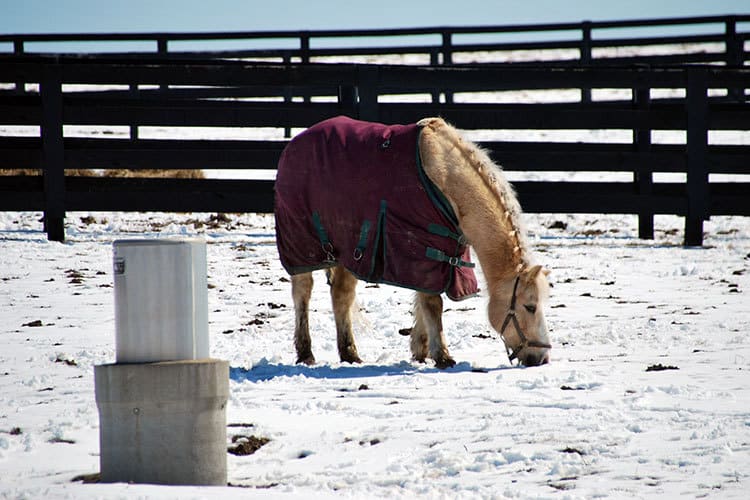
Learn how to avoid and address impaction colic, a common cause of cold-weather emergency farm calls.
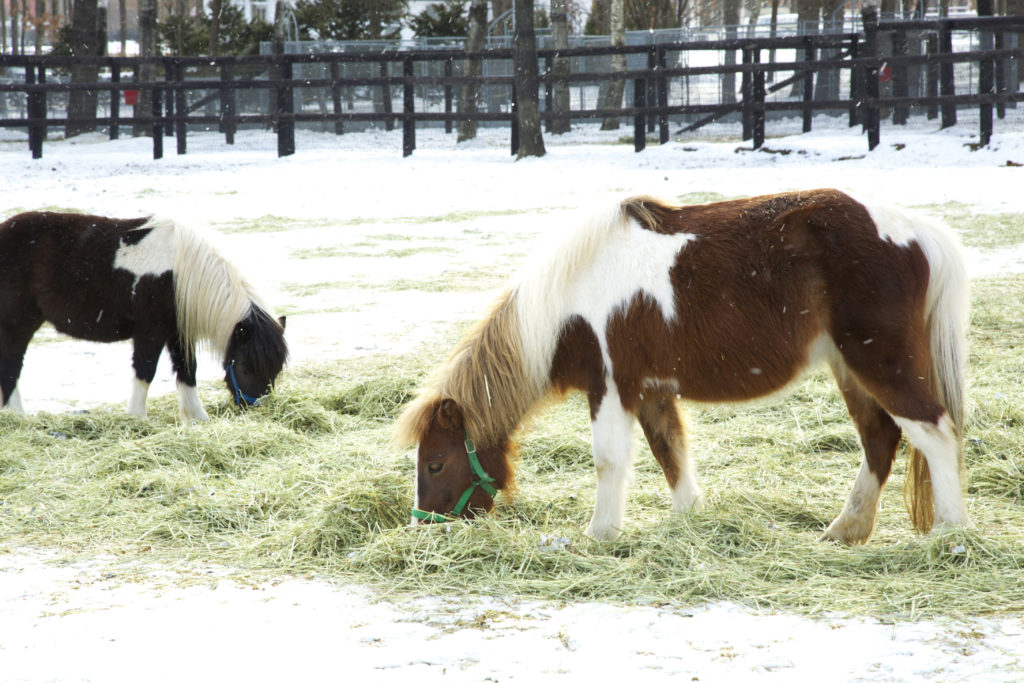
A horse owner asks if she’s feeding her horse hay often enough. Nutritionist Dr. Clair Thunes responds.

Remember these 3 simple things to help your horse maintain his weight and health this winter.

In the past 30 years, researchers have made great strides in understanding gastric ulcers. Those findings and ones yet to be made can help improve horse health and welfare now and into the future.

Dr. Wayne McIlwraith describes how joint treatments for horses have changed over the years and what therapeutic options might be on the horizon.

A user in a wildfire-affected area asks if supplements can help support her horse’s respiratory system.
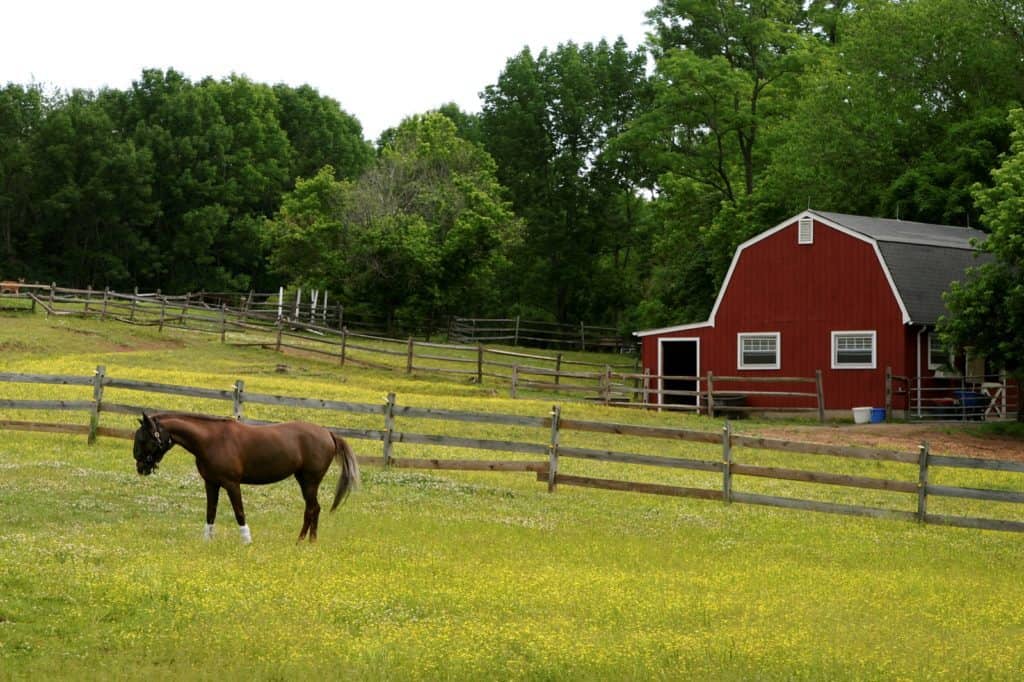
Proper management of pastures on small acreage can mean better grazing for your horses and reduced hay costs.

Selecting and using a hay feeder that works for you and your horses reduces waste and helps you save on feed costs.
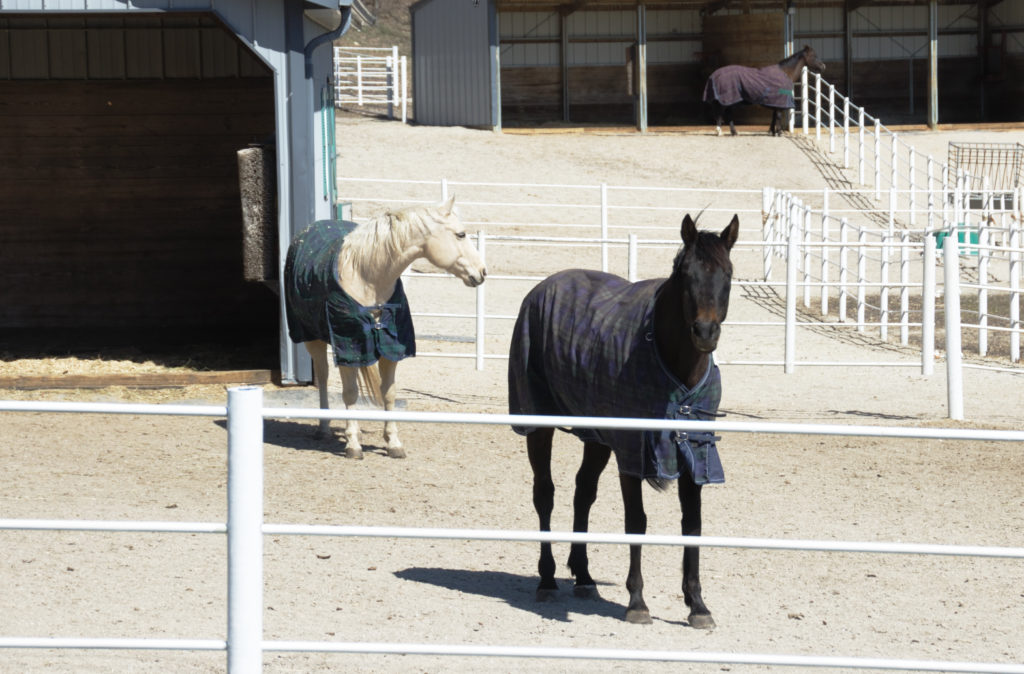
Vitamin E deficiencies can cause neurologic and other health problems in horses. As such, at-risk horses—from breeding stock and foals to equine athletes and pasture pets—might benefit from supplementation.

Dr. Joe Pagan founded Kentucky Equine Research in 1988 and, in the three decades following, he and his staff have witnessed the evolution of equine nutrition and research trends.

Are you and your horses heading south for the winter? Prepare in advance to keep your equine charges healthy during and after transport.