Pelleted vs. Textured Horse Feed
When buying horse feed, you might face the choice between “textured” and “pelleted.” Our nutritionist explains the difference.

When buying horse feed, you might face the choice between “textured” and “pelleted.” Our nutritionist explains the difference.

Is question organic or nongenetically modified hays better for horses? A forage specialist explains why the answer to this hotly debated question could come down to personal preference.

We must consider the breeds of our horses and ponies when planning their diets. Here’s a look at what we currently know about feeding major equid categories and where we’re heading.

Whether you’re taking your horse on a back-country vacation, moving out of state, or traveling to the World Equestrian Games, don’t assume your horse’s feed will be available at your destination.

Find out how to construct safe, aesthetic, and eco-friendly confinement areas on your horse property.

Take steps to manage your horse’s weight and behavior while he’s cooped up.

Have you cleaned your horse’s feed bucket recently? Dr. Clair Thunes shares tips on when, why, and how often you should clean your horse’s buckets and feeders.
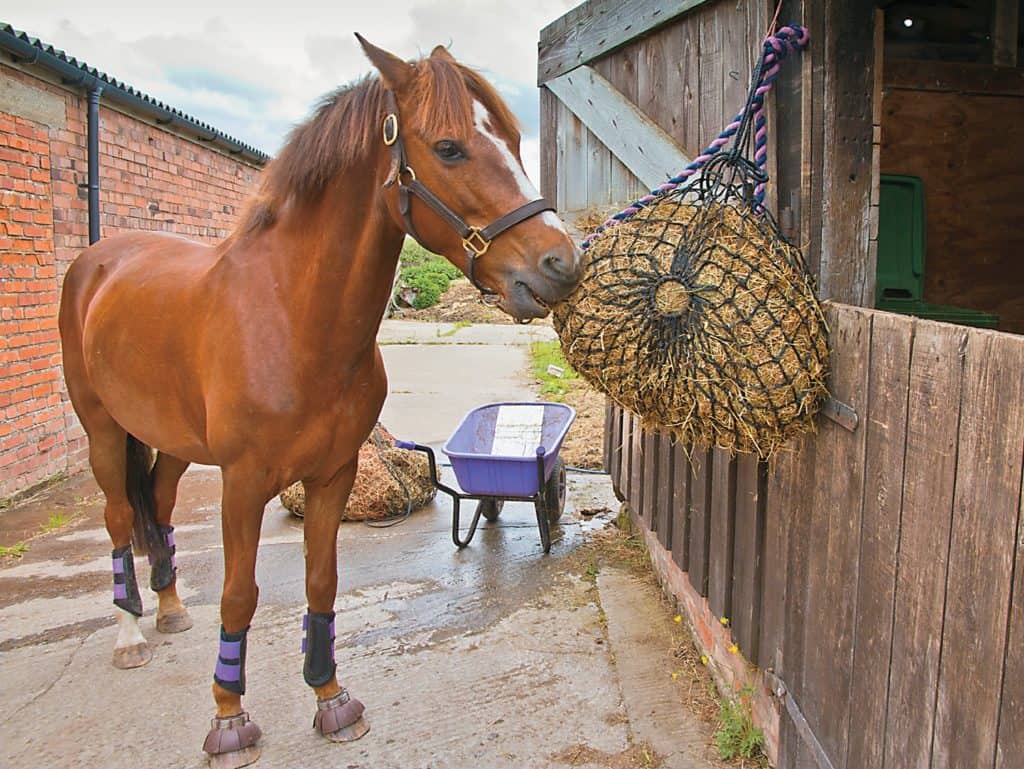
Common feeding practices could be causing your horse’s stomach acid levels to rise.

Early signs of fluorine toxicosis in horses can include unthriftiness, standing with an arched back, rough hair coats, bone thickening, stiffness, and lameness.

A Kentucky Thoroughbred farm is reaping the benefits of healthier mares and foals after making horse pasture renovations over the past year with guidance from University of Kentucky personnel.

Critical conditions such as colic, injuries, and dehydration can strike when you’re at a competition with your horse. Here’s how to handle them.
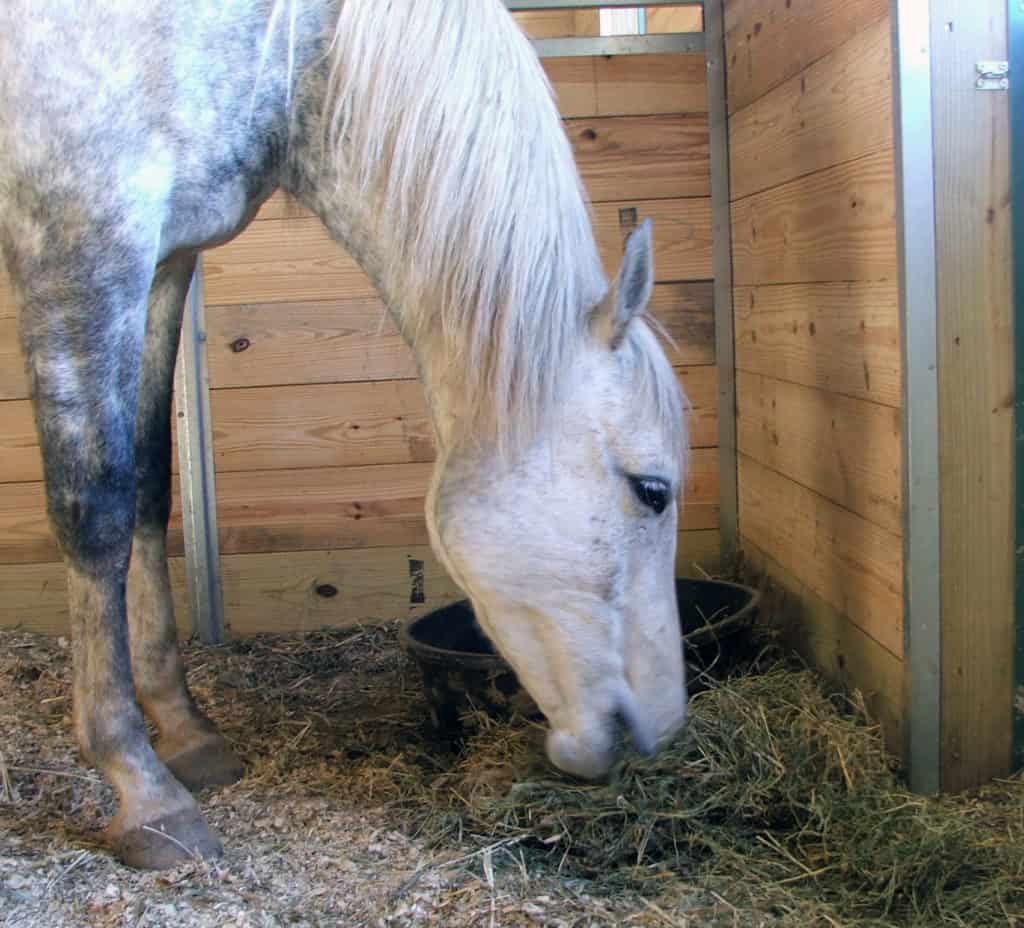
A brief period of fasting prior to omeprazole administration could help maximize drug absorption and, thus, efficacy.
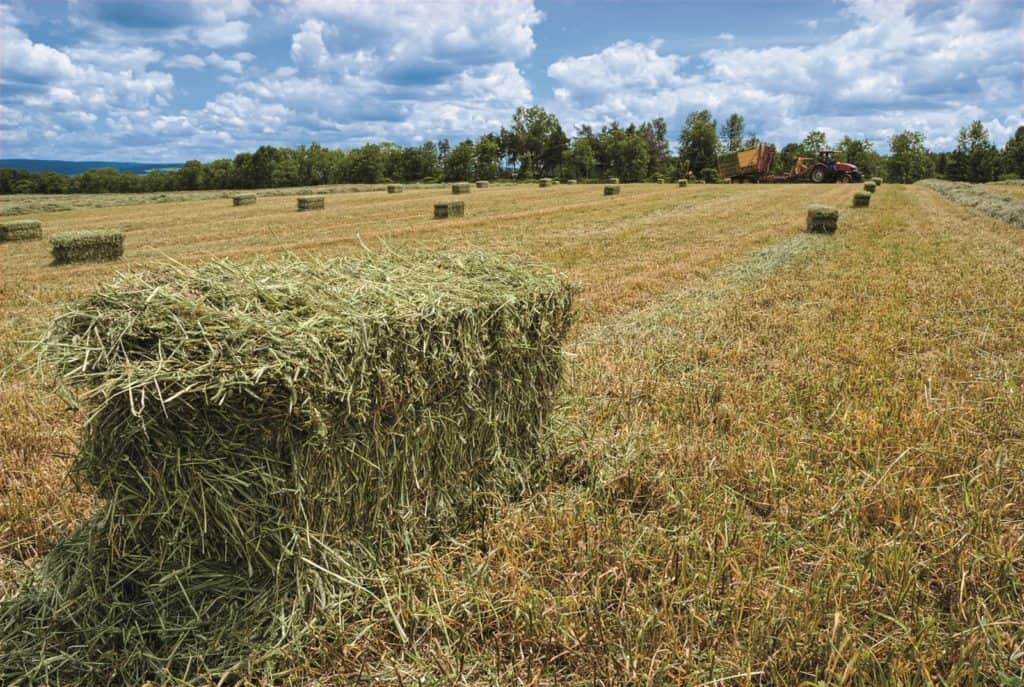
Should you avoid purchasing hay treated with propionic acid (a preservative) for horses? Not necessarily, our nutritionist says.

An automated feeder that provides grain in multiple small meals throughout the day might help reduce the prevalence of gastric ulcers in horses in training.
What do probiotics and their counterparts–prebiotics–do for horses? Here’s what the current research says.
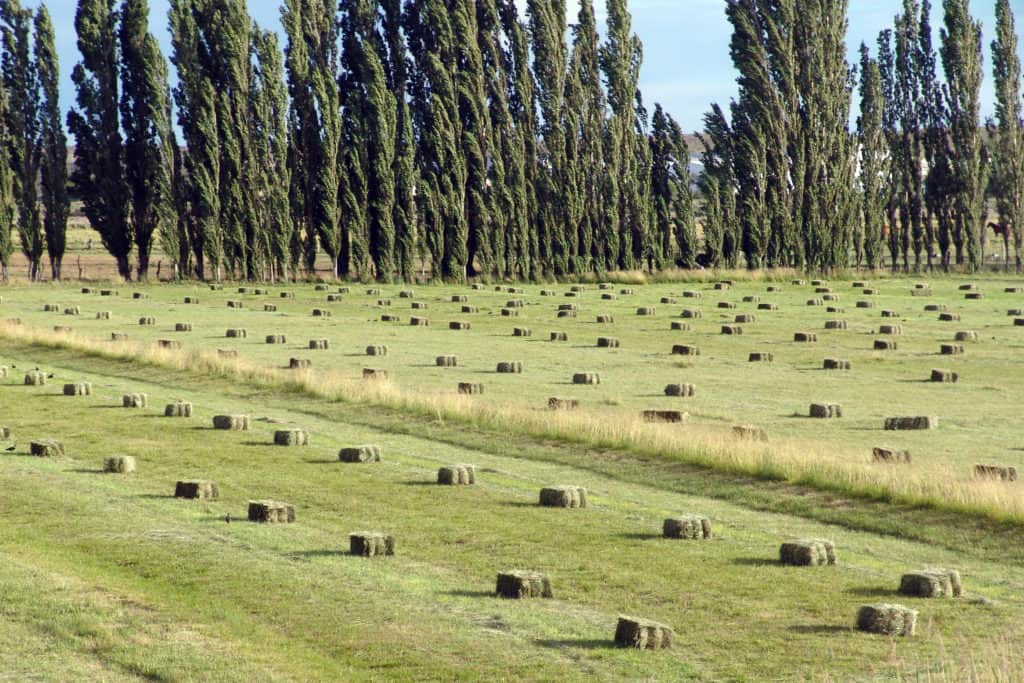
Scorched rangelands, shrinking production acreage, and recent tariffs all share the blame for horse hay price increases in California, a forage specialist from the University of California, Davis, says.