Identifying and Managing Equine Metabolic Syndrome (EMS)
Diagnosing EMS and taking steps to manage it can allow your horse to live a healthy and productive life.

Diagnosing EMS and taking steps to manage it can allow your horse to live a healthy and productive life.
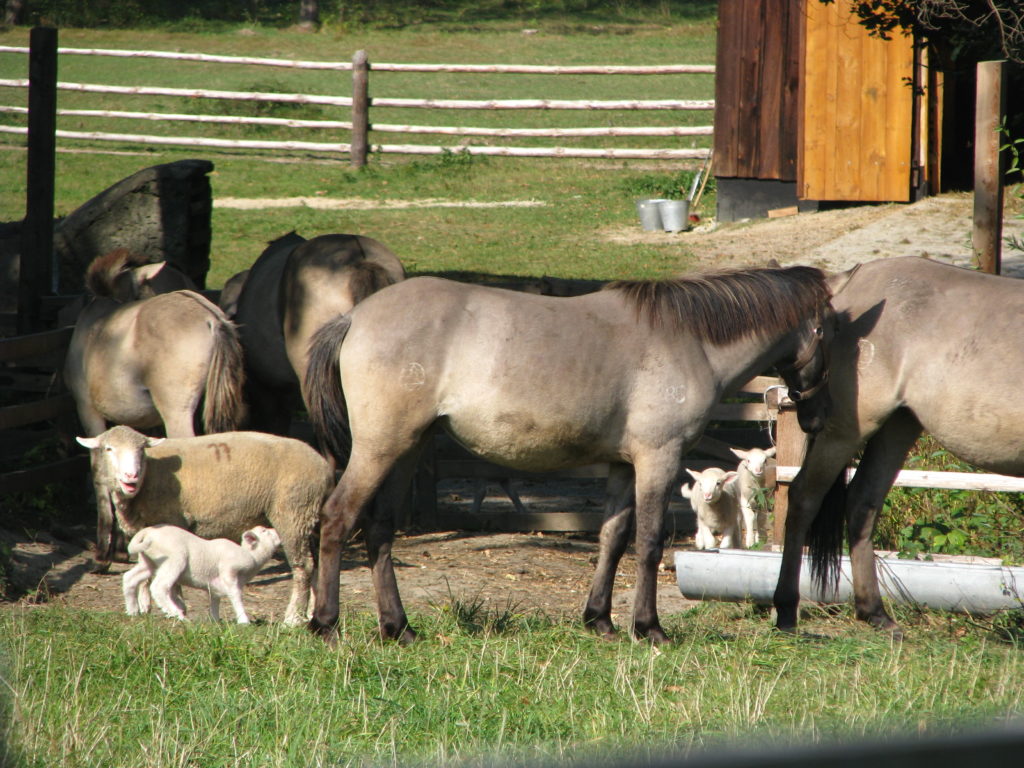
Researchers recently studied how horses and sheep interacted with each other and used pasture resources—plants, water, and shade.

If your senior horse has few to no teeth, he might not be chewing and digesting the nutrients he needs to maintain his health.

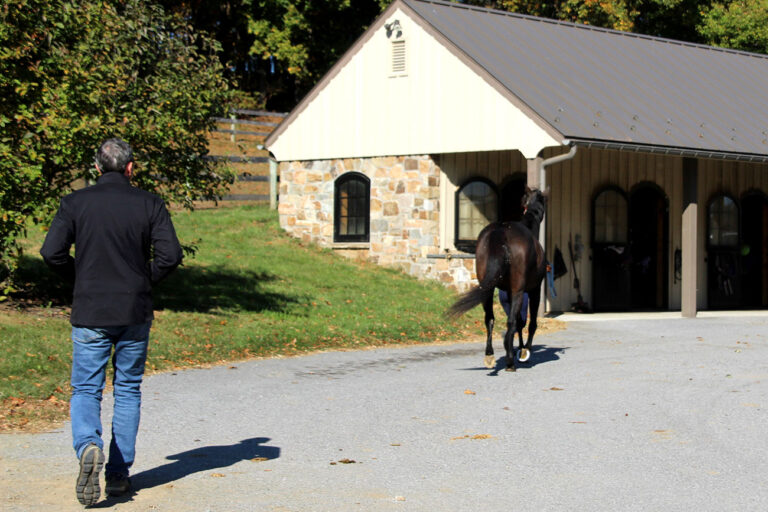
Remember these tips to help your horse’s transition from his old home to his new one go smoothly.

Your horse might be benefiting from wheat middlings in his feed, which can help lower starch levels while maintaining a considerable calorie content.

Dr. Liz Arbittier encourages owners and caretakers of senior horses to call their vet if they notice any changes in health or behavior, even when it seems minor, to identify issues and begin treatment early. Here’s what to watch for.
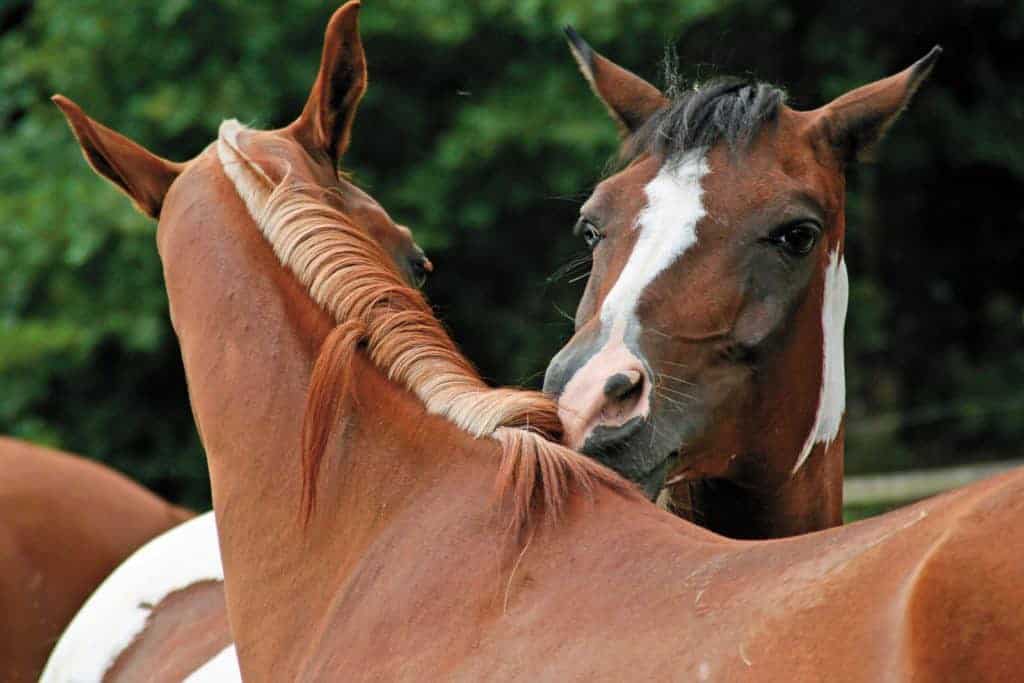
Give your equine valentine something he or she will truly appreciate.

Although it can be damaging if fed improperly, starch can be an important part of horse diets. Here’s what you should know.

The foal’s dam developed atypical myopathy in the sixth month of gestation. The foal, born at full term, was eventually euthanized due to atypical myopathy complications.
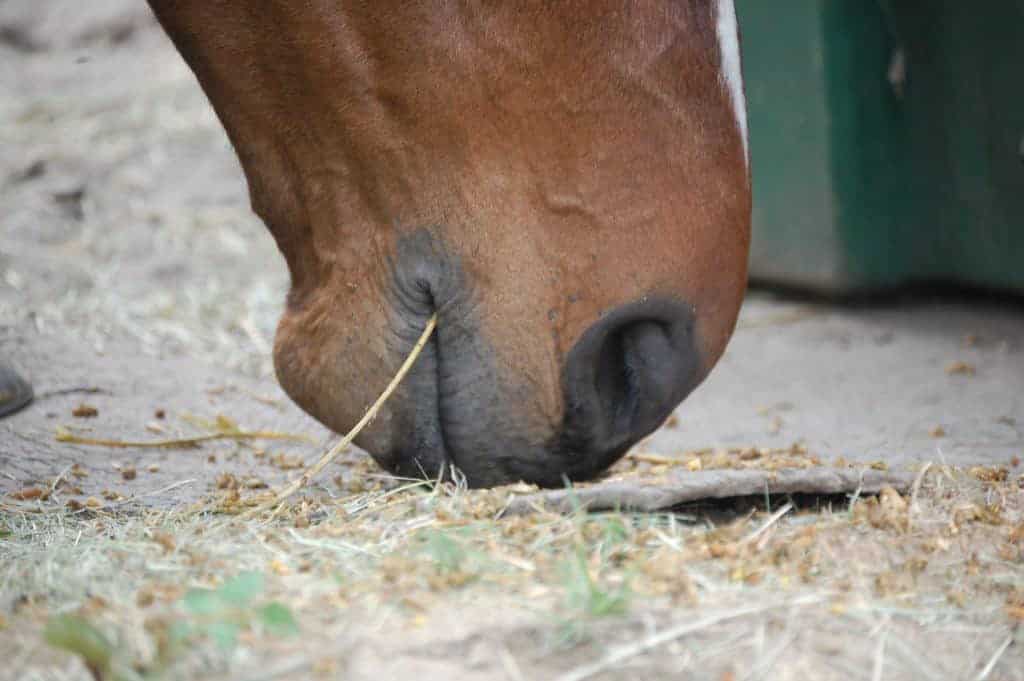
Does your horse fling food all over his stall during meal time? Our nutrition expert shares some tips you can try to keep your horse’s enthusiastic eating behaviors from wasting feed.

Do you have a skinny horse? Here are some tips you can use to help him return to an ideal weight.

Horses require extra attention when low temperatures are accompanied by wet and windy conditions. Here’s how to help your horse cope with winter weather.
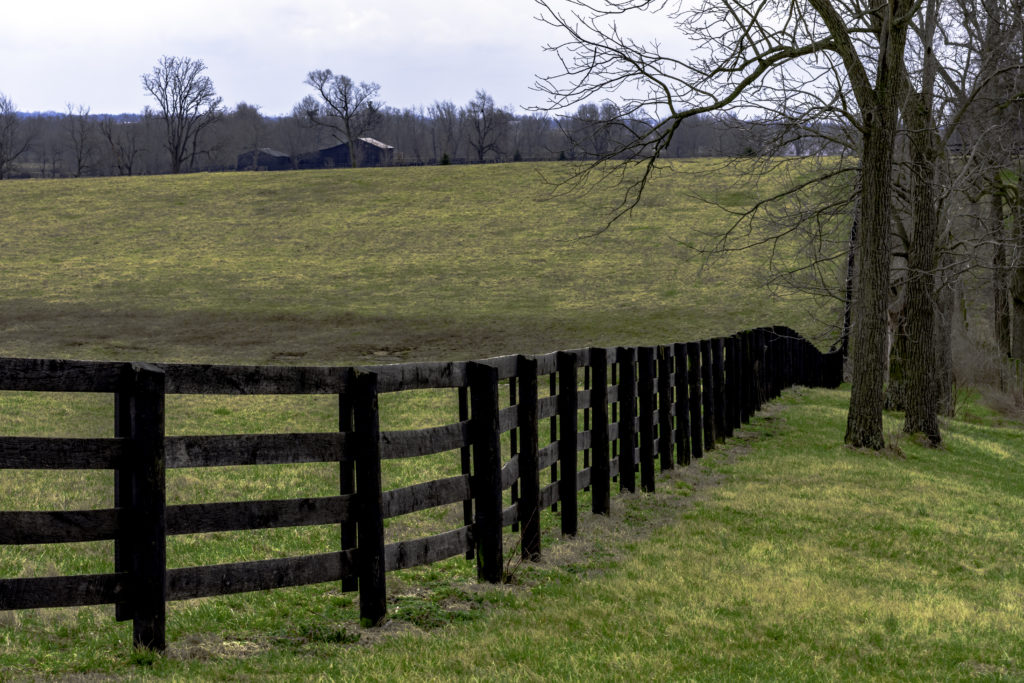
Presentation topics will include how to manage weedy grasses in grazed pastures, safe tall-fescue varieties for all classes of horses, and using seed coating and other techniques to improve pasture establishment.

Overweight horses are at risk for a number of health conditions. Here are some tips to use if your horse needs to lose weight.

Researchers found that many old horses are in good body condition. And, at least in certain countries, those that don’t have ideal condition are more likely to be overweight than underweight.
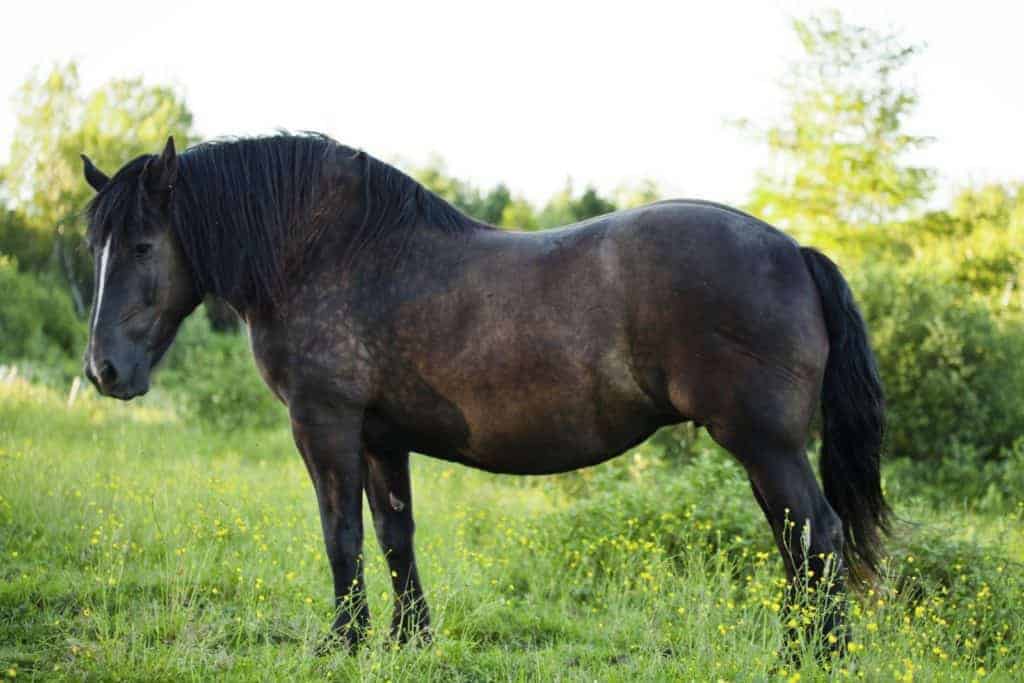
Studies suggest that more than half of certain horse populations in the U.K. are overweight or obese. As such, BEVA urges owners to act now to reduce the risk of their horses suffering weight-related health and welfare risks come spring.